68 companies
AdyenFeatured
Embedded Finance🇳🇱 Netherlands
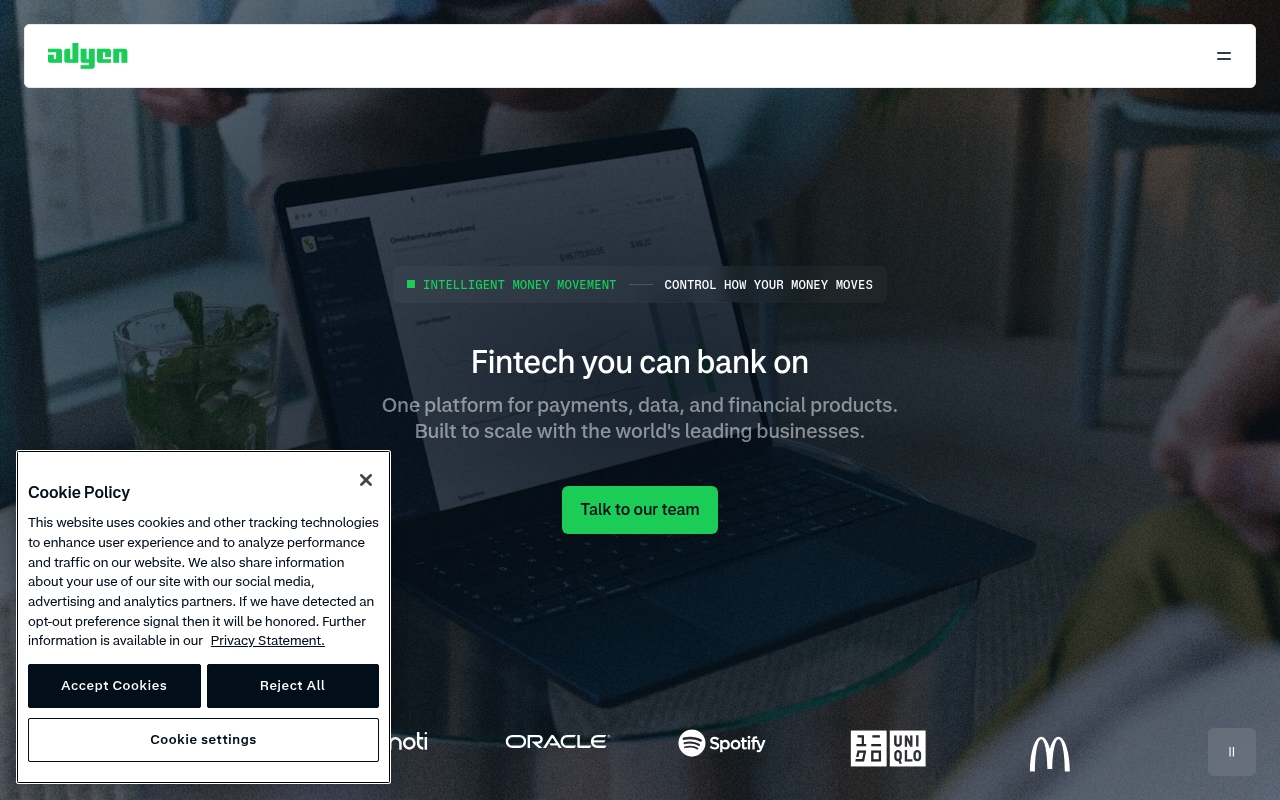
Pieter van der Does and Arnout Schuijff had already built and sold one payments company when they sat down in 2006 to start again. The result was Adyen — the name literally means "start over" in Surinamese — and the premise was simple: instead of stitching together the same fragmented payment infrastructure everyone else was using, they would build the whole thing themselves from scratch.
That decision, made in an Amsterdam office nearly two decades ago, is still the reason Adyen is different. Most payment companies are assemblers — they buy a gateway here, a processor there, bolt them together and hope for the best. Adyen owns its own technology stack end to end, which means a merchant integrating once gets access to card processing, local payment methods, point-of-sale terminals, and real-time settlement data through a single platform. No middle layers, no reconciliation headaches, no finger-pointing between vendors when something breaks.
The client list tells you everything about where Adyen sits in the market. McDonald's, Spotify, Microsoft, LVMH, H&M — these are companies with serious payment volumes and zero appetite for systems that don't work. Adyen became the default choice for enterprises that had outgrown the limitations of traditional payment stacks and needed something that could handle global scale without buckling.
Since going public on Euronext Amsterdam in 2018, Adyen has grown into one of Europe's most valuable technology companies, with around 4,300 employees across 23 countries and net revenue of just under €2 billion in 2024. It remains headquartered in Amsterdam and consistently profitable — a combination that's rarer in fintech than it should be.
For businesses that treat payments as infrastructure rather than an afterthought, Adyen is the benchmark everything else gets measured against.
KlarnaFeatured
Embedded Finance🇸🇪 Sweden
Three Stockholm School of Economics students pitched an idea at a university entrepreneurship competition in 2005: let shoppers receive goods before they pay, and put the credit risk on the merchant side. The pitch finished last. They built it anyway.
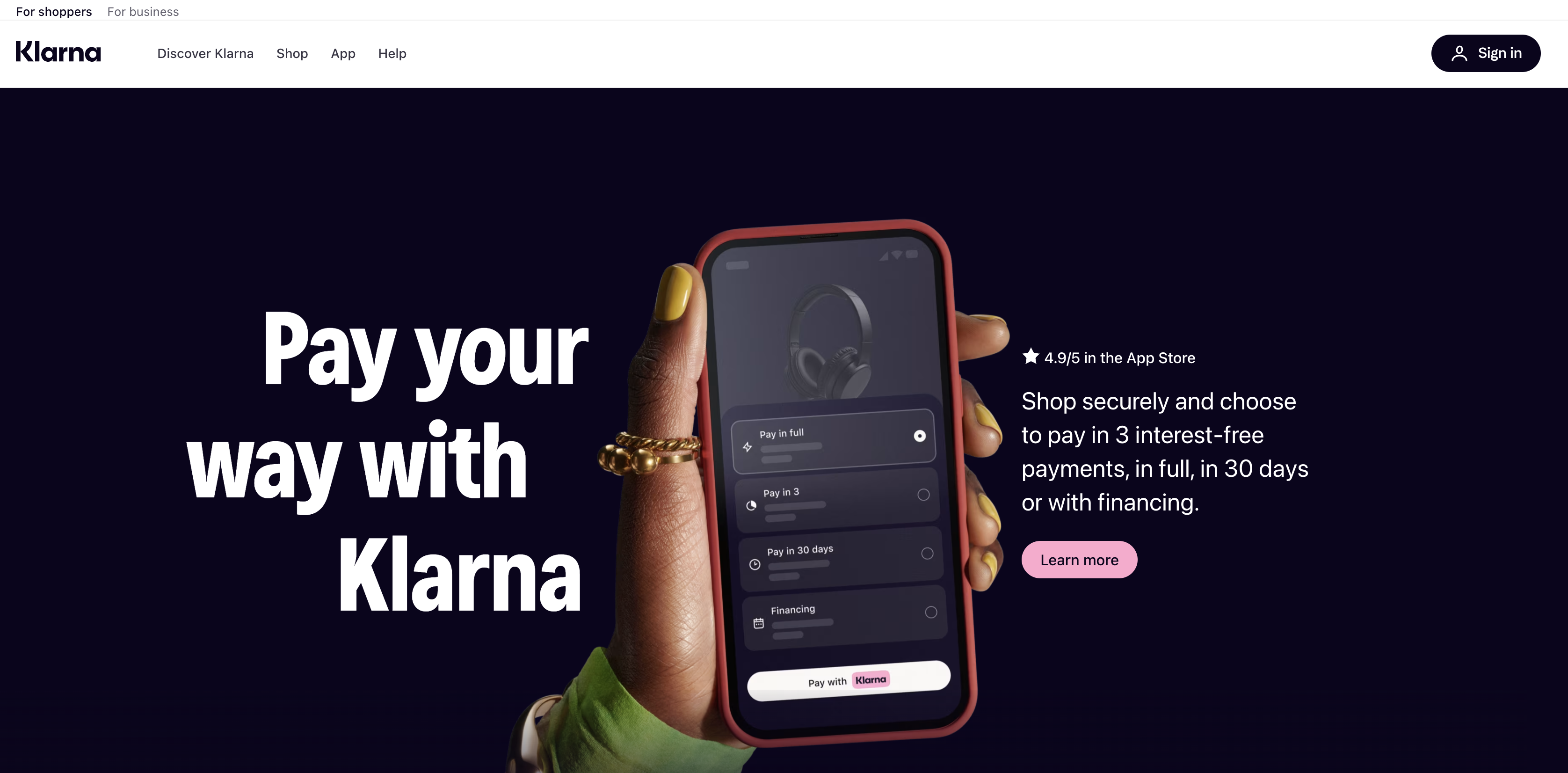
Sebastian Siemiatkowski, Niklas Adalberth, and Victor Jacobsson launched what was originally called Kreditor, later renamed Klarna, and spent the next two decades turning that rejected idea into one of Europe's most recognised fintech brands. The core insight held up: millions of people would rather split a purchase into three instalments than reach for a credit card, and merchants would pay for the privilege of offering that option because it reduces cart abandonment and increases average order values.
Klarna grew from a Swedish checkout button into something considerably more complex. It now holds a banking licence in Sweden, offers savings accounts, issues its own card, and operates across more than 45 markets with around 93 million active consumers and 675,000 merchant partners at the end of 2024. The US, which Klarna entered in 2015, has become its largest market by revenue, a fact the company underlined by listing on the New York Stock Exchange in September 2025 under the ticker KLAR, raising $1.37 billion at IPO.
The financial trajectory has been bumpy. Klarna reported net income of $21 million in 2024, a return to profitability after a bruising 2022 that included an 85% valuation cut and significant layoffs that reduced headcount from over 7,000 to around 3,400. What survived the restructuring was a leaner company with $2.81 billion in revenue and a clearer strategic direction: AI. Klarna's partnership with OpenAI produced a customer service assistant it claims handles the equivalent of 700 full-time agents, and generative AI now manages roughly two-thirds of customer chats.
The honest assessment of where Klarna sits today: it's no longer purely a BNPL provider and it's not quite a bank. It's somewhere in between, a consumer finance platform that knows more about your shopping behaviour than your bank does, and is betting that's worth a lot.
TinkFeatured
Embedded Finance🇸🇪 Sweden
Daniel Kjellén and Fredrik Hedberg didn't set out to build infrastructure. Tink started in Stockholm in 2012 as a consumer personal finance app — an attempt to give Swedish bank customers a cleaner view of their money across multiple accounts. It was a reasonable idea that ran into an unreasonable obstacle: getting reliable, consistent data out of European banks was extraordinarily hard. The technical problem turned out to be more interesting than the consumer product. In 2018 they pivoted, shifted focus entirely to the B2B layer, and started selling the very infrastructure they'd been forced to build for themselves.
That pivot proved prescient. The EU's PSD2 directive, which came into full effect in 2019, legally required banks to open their data to authorised third parties — creating the regulatory foundation that open banking platforms needed to operate at scale. Tink had spent years building exactly those bank connections. When the regulation arrived, the company was ready.
The platform Kjellén and Hedberg built connects to more than 3,400 banks and financial institutions across Europe, reaching over 250 million bank customers. Through a single API integration, banks, fintechs, and merchants can access aggregated account data, initiate payments directly from customer bank accounts, verify account ownership, and enrich transaction data — without maintaining their own connections to hundreds of separate banking systems with different technical standards and update schedules. Clients include Klarna, PayPal, NatWest, ABN AMRO, and BNP Paribas Fortis.
In March 2022, Visa completed the acquisition of Tink for €1.8 billion — one of the largest European fintech acquisitions of that year, and a clear signal of how seriously the global payments industry had come to take open banking infrastructure. Visa's strategic rationale was straightforward: it had failed to acquire Plaid, the US equivalent, after an antitrust challenge, and needed a European open banking capability. Tink gave it 500 employees, 18 European markets, and relationships with over 300 banks and fintechs built over a decade.
The founders stayed on as CEO and CTO through the transition, continuing to run Tink as a standalone Visa subsidiary from Stockholm. Both departed in 2025 — Kjellén and Hedberg announced they were building Freda, a new AI-driven legal and compliance technology startup, with the pair describing Tink as "now in better hands than ever." Francois Tornier, Visa's VP of Open Banking, took over as CEO. The product roadmap has continued under Visa ownership, including a 2024 expansion of Tink's open banking platform into the US market.
Shift4
Embedded Finance🇲🇹 Malta
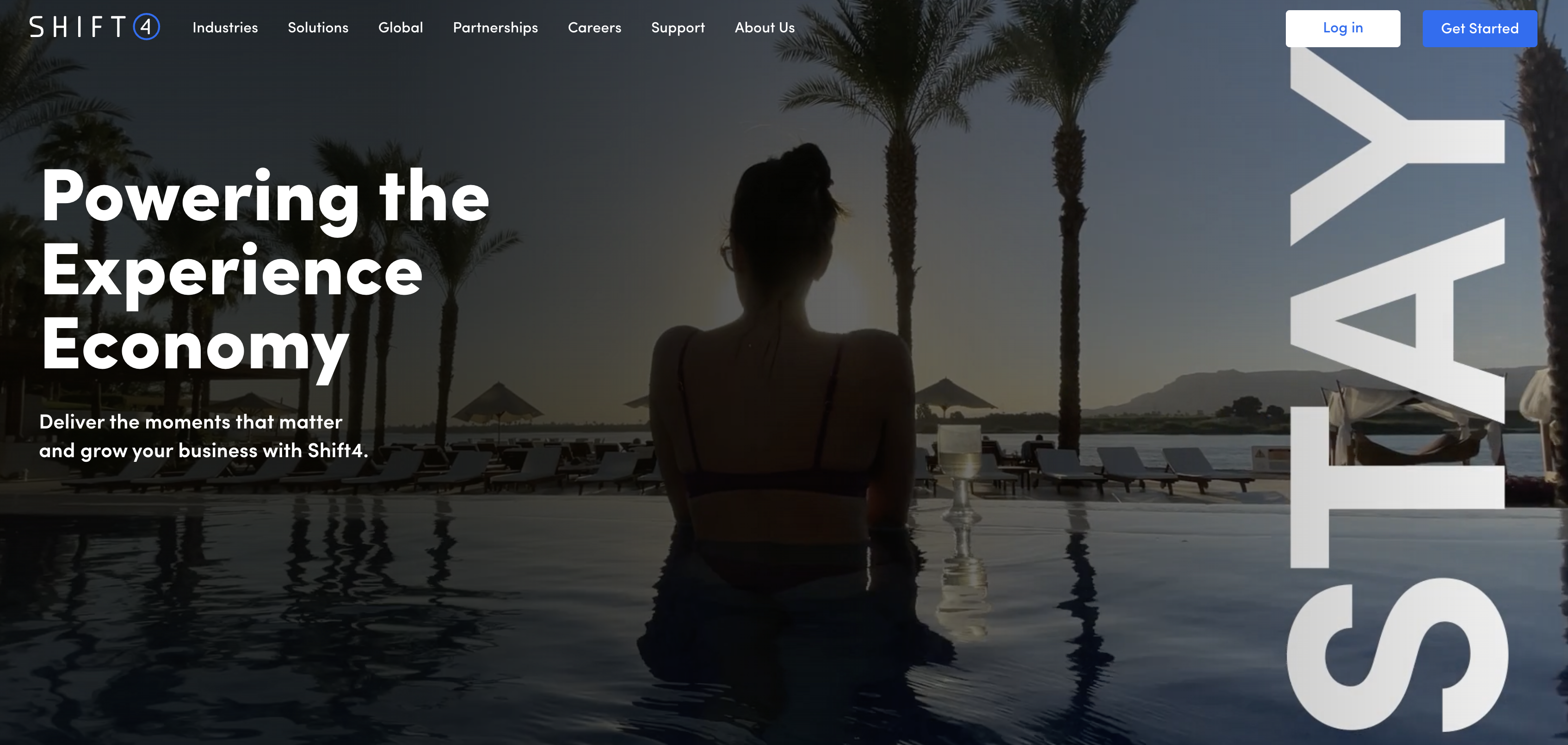
Shift4 is a payments infrastructure company that processes transactions for some of the world's largest businesses—hotels, travel agencies, e-commerce platforms, and entertainment venues. Rather than building from scratch, Shift4 operates as the backbone that other payment systems rely on, handling everything from card processing to alternative payment methods across multiple continents and currencies. The company processes over $200 billion annually, quietly powering payment flows for thousands of merchants who may never see its name but absolutely depend on its reliability. What sets Shift4 apart in a crowded payment ecosystem is its operational focus. While many fintech companies obsess over consumer-facing innovation, Shift4 builds enterprise-grade infrastructure designed for resilience, speed, and compliance at scale. Its platform handles the complexity that makes most companies cringe: high-volume verticals like hospitality and gaming, multi-currency settlements, regulatory variance across jurisdictions, and the kind of uptime demands that simply cannot tolerate failure. The company has grown through both organic expansion and acquisitions—notably bringing PayMaker into its fold to expand its European footprint and capabilities. For businesses that process millions of transactions daily, Shift4 isn't sexy. It's indispensable. It represents the unglamorous but critical layer of fintech infrastructure that enables everyone else to function.
Clearpay
Embedded Finance🇬🇧 United Kingdom
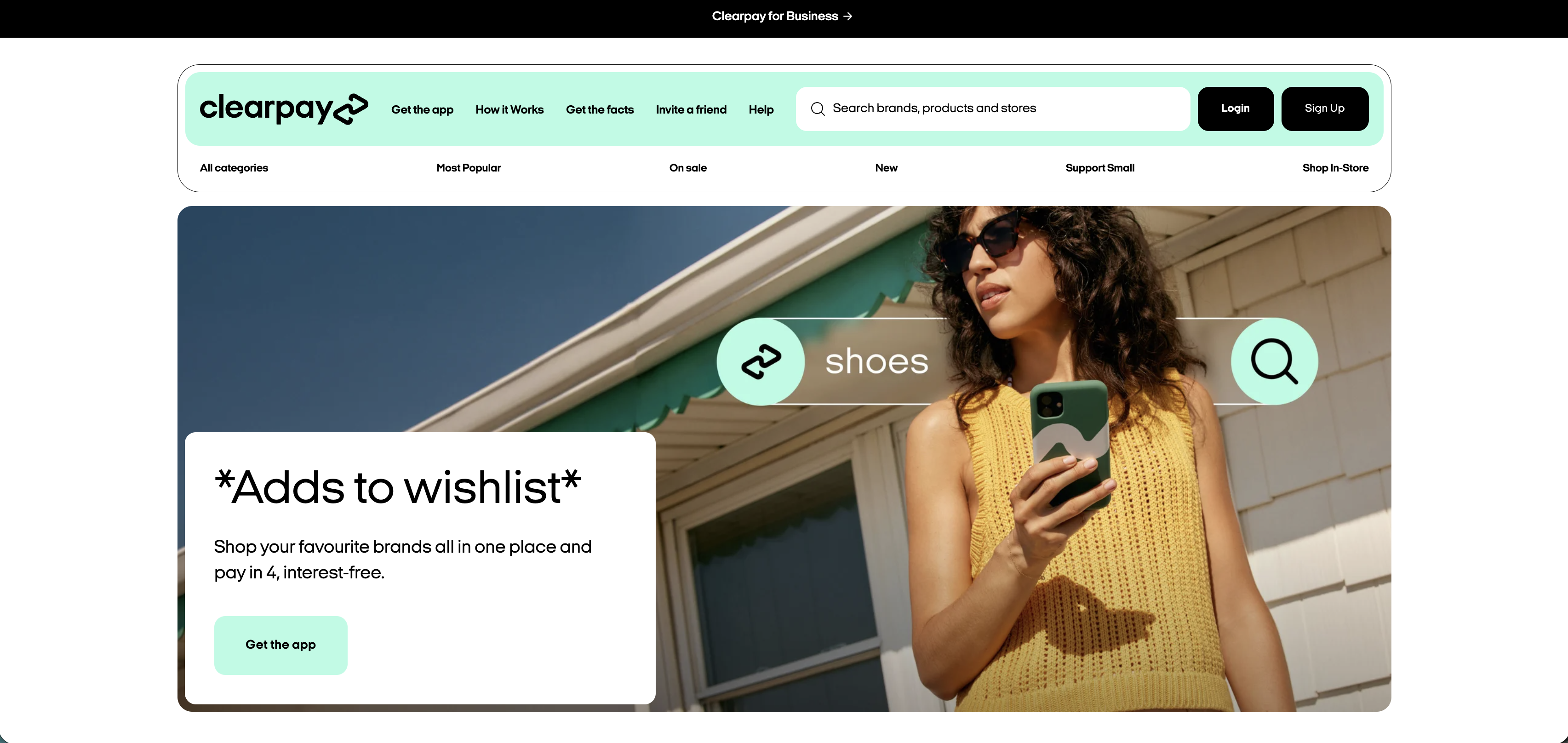
Buy now, pay later has become the default move for a generation of online shoppers, but most BNPL solutions feel bolted on—clunky checkouts, rigid payment schedules, zero personality. Clearpay flips that script by embedding itself seamlessly into the checkout experience, letting customers split purchases into four interest-free instalments without the friction. The platform works with major retailers across fashion, electronics, and home goods, treating payment flexibility as something that should feel as natural as the shopping itself. What sets Clearpay apart in the crowded BNPL space is its focus on the merchant side: brands get instant funding, flexible integration, and customer loyalty tools baked in, while shoppers enjoy a genuinely frictionless experience that doesn't feel like they're applying for a credit product. It's BNPL stripped of complexity and pretension. The company operates across the UK, Australia, and New Zealand, building regional dominance rather than chasing global scale. Clearpay has become one of Europe's most recognizable BNPL platforms precisely because it treats payments as something that should disappear into the shopping experience, not dominate it. In an increasingly crowded fintech landscape, it represents the shift toward embedded finance that doesn't announce itself.
Skroutz
Embedded Finance🇬🇷 Greece
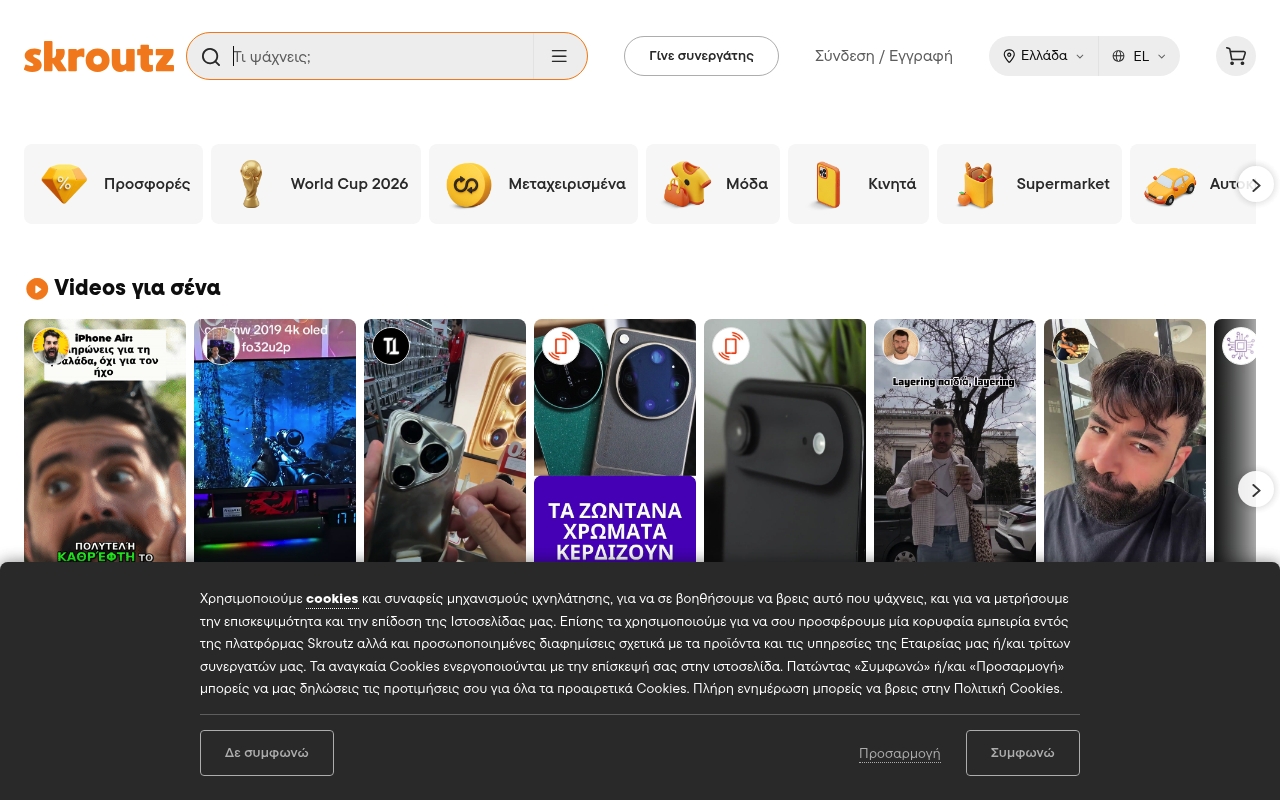
Skroutz is Greece's largest price comparison and shopping platform, a digital marketplace that lets consumers hunt down deals across thousands of products from electronics to home goods. The platform aggregates inventory from major retailers, allowing shoppers to compare prices, read reviews, and jump directly to purchase without leaving the site. It's become an essential layer between Greek consumers and the country's retail ecosystem, capturing transaction data that feeds back into merchant intelligence. Beyond shopping, Skroutz has quietly built a fintech angle through its payments infrastructure and merchant services, positioning itself as a facilitator of digital commerce in a market still transitioning from cash. The company operates across Greece with growing regional influence, functioning less as a pure price comparison tool and more as a commerce operating system. Its real power lies in aggregation—it knows what Greeks are buying, when they're buying it, and at what price, making it a data asset in an otherwise fragmented retail landscape. While not a traditional fintech, Skroutz increasingly touches financial flows through payment processing and merchant settlement, bridging the gap between consumer demand and retail supply. The platform represents a distinctly Southern European approach to commerce: pragmatic, merchant-focused, and embedded in local market dynamics rather than chasing venture-scale hypergrowth. For merchants, Skroutz offers access to millions of price-conscious shoppers; for consumers, it's the reflex check before buying online in Greece.
Payhawk
Embedded Finance🇧🇬 Bulgaria
Most companies still manage corporate spending the way they did a decade ago—expense reports, manual reconciliation, scattered receipts. Payhawk has built something radically simpler: a unified spending platform that gives finance teams complete visibility into every company transaction, from the moment it's authorized to the moment it's reconciled. The platform combines physical and virtual cards, automated expense management, and real-time spend controls in a single dashboard.
What sets Payhawk apart in the crowded corporate finance space is its refusal to compromise on user experience. Employees aren't fighting clunky interfaces or wrestling with legacy systems. Instead, they get an intuitive mobile app that feels like personal fintech, while finance teams gain the analytical firepower to actually manage policy, catch fraud, and optimize spending patterns. The company treats visibility not as a nice-to-have but as the foundation of control.
In Europe's SME and mid-market space, where most alternatives still rely on outdated card programs or disconnected software suites, Payhawk's integration of issuance, spend management, and analytics represents a meaningful shift. The company has quietly built something that enterprises have wanted for years: a spending platform that doesn't require compromise between employee experience and financial governance. For finance leaders tired of spreadsheets and reactive reporting, it's become the natural choice.
Sequra
Embedded Finance🇪🇸 Spain
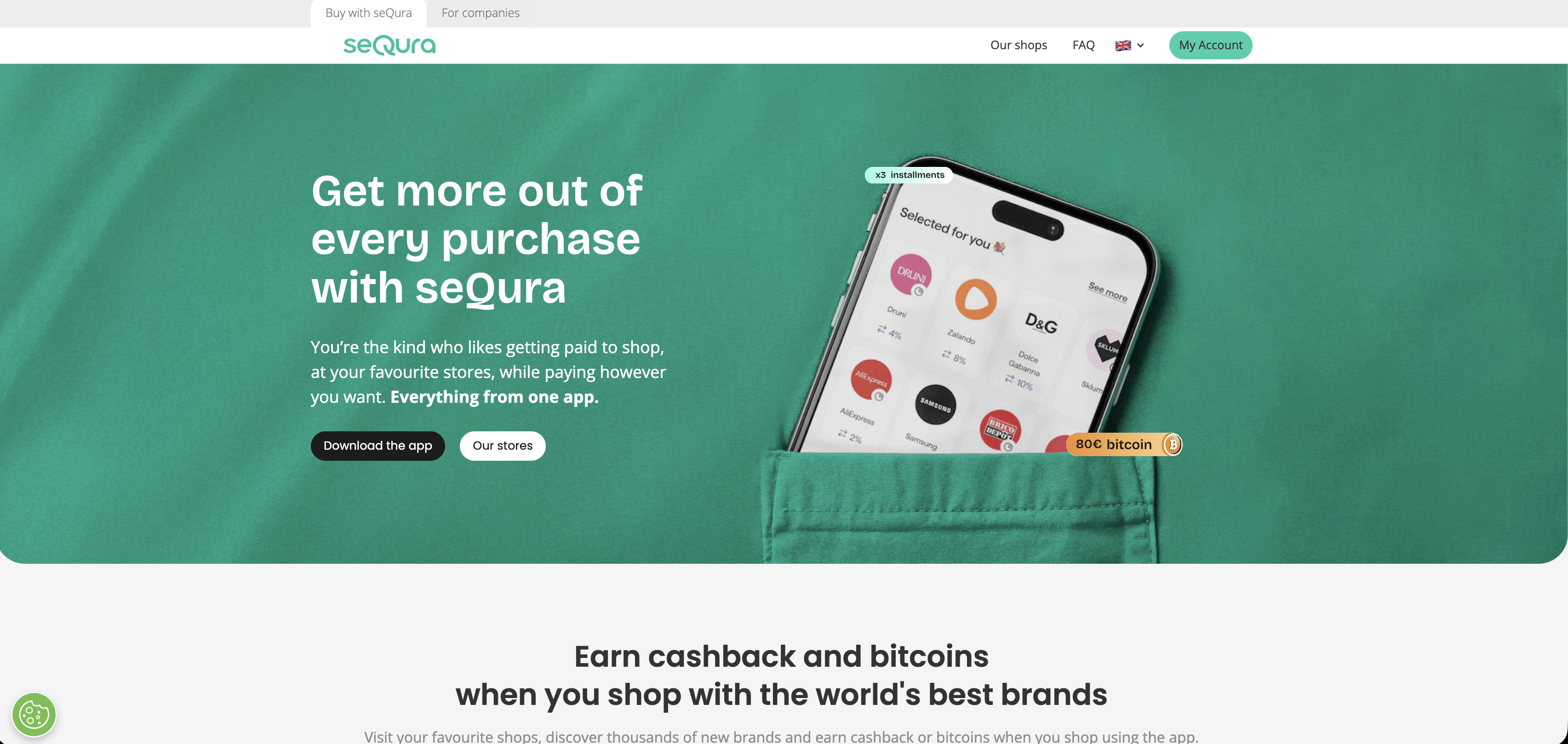
Sequra is a Spanish fintech that's quietly become one of Europe's most pragmatic buy-now-pay-later platforms. Rather than chasing the glossy consumer narrative, Sequra built itself as the infrastructure layer for merchants—retailers, e-commerce platforms, and marketplaces across Europe who need flexible payment options without the operational overhead.
The company operates a two-sided model: on one end, it handles merchant acquisiton and underwriting; on the other, it manages the consumer credit experience through instant decisioning and repayment flexibility. What sets Sequra apart is its merchant-first approach. It doesn't market directly to consumers. Instead, it embeds itself into checkout flows and relies on merchant partnerships to scale. This is embedded finance done deliberately.
Sequra's competitive positioning sits between pure BNPL platforms (Klarna, Clearpay) and traditional point-of-sale lending. It's more disciplined about credit risk than some BNPL peers, more tech-native than legacy installers. Across Spain, Italy, France, and Germany, it's become the quiet backbone for thousands of merchants who want flexible payment rails without the consumer brand overhead.
In a fintech landscape increasingly obsessed with consumer apps, Sequra represents a different thesis: sometimes the real value is in being invisible, reliable infrastructure.
Payoneer
Embedded Finance🇩🇪 Germany
Payoneer operates at the intersection of freelancer economics and global money movement. It's a digital wallet and payment platform that lets creators, service providers, and small businesses move money across borders without the friction that banks impose. Founded in 2005, Payoneer built its reputation as a go-to tool for the gig economy—the person earning money on Fiverr or Upwork could actually get paid—but it's evolved into something broader. The platform now handles everything from instant payouts to physical debit cards, supporting over 150 currencies and operating in more than 200 countries and territories. What makes Payoneer distinct is its focus on the unbanked and underbanked. While traditional fintech darlings chase affluent European consumers, Payoneer moves money for people who might not have a local bank account or whose banks won't serve them. It's built for the global freelancer economy, the migrant sending remittances home, the entrepreneur working across time zones. The company sits at a sweet spot between payments infrastructure and financial inclusion, operating with the urgency of a startup but the operational maturity of a decade-old player. In Europe's crowded fintech landscape, Payoneer represents a rare thing: a company solving real friction for a massive, underserved demographic rather than optimizing for wealthy early adopters. Its recent IPO in 2021 signaled that this thesis—that global money movement for regular people is both a mission and a business—had been validated by the market.
Payhip
Embedded Finance🇬🇧 United Kingdom
Payhip lets creators and small businesses sell directly to their audience without the usual gatekeeping. It's a all-in-one commerce platform that handles digital products, physical goods, subscriptions, and memberships—essentially a Shopify alternative built for creators who want simplicity and fair pricing.
The platform lives in that sweet spot between marketplace and self-hosted store. You upload your product, set your price, share a link, and start selling. No approval process, no middleman deciding what you can or can't do. Payhip takes a percentage of each sale rather than charging upfront fees, which resonates with bootstrapped creators and solopreneurs who don't have predictable revenue yet.
What sets Payhip apart is its lightness. While traditional payment processors demand integration work and setup headaches, Payhip is deliberately frictionless—you can be live within minutes. It also gives sellers control over their own affiliate networks and customer relationships, something most platforms charge extra for or restrict.
In the crowded world of creator monetization tools, Payhip occupies the pragmatic middle: more powerful than a simple payment link, simpler than a full ecommerce platform, and designed specifically for people who want to sell without becoming a software engineer. It's quietly influential in how independent creators think about direct sales.