67 companies
RevolutFeatured
Wealth🇱🇹 Lithuania
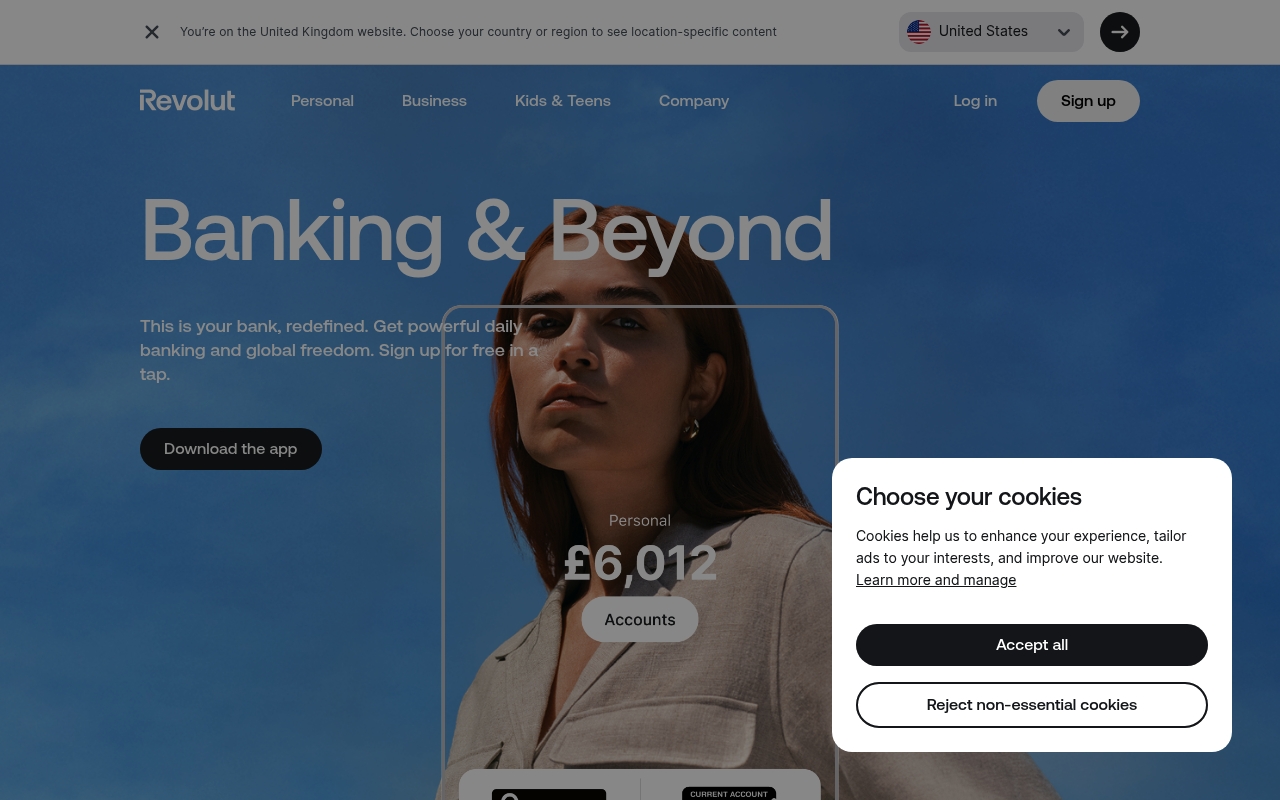
Nik Storonsky grew up moving between Russia and France before landing in London as a derivatives trader. Vlad Yatsenko was a software engineer who'd spent years building financial systems. In 2015 they sat down and asked a question that should have occurred to banks years earlier: why does spending money abroad still cost so much?
The answer they built was Revolut — initially a prepaid card with no foreign exchange fees, then a multi-currency account, then a trading platform, then an insurance product, then a business banking offering, then something that's increasingly hard to describe as anything other than a full financial operating system. Revolut didn't unbundle banking so much as rebuild it from scratch for people who found the existing version frustrating and expensive.
The numbers now are genuinely striking for a company that started with two people and a card. Revenue reached £4.5 billion in 2025, up 46% year on year, with net profit of £1.3 billion. The customer base grew to 68.3 million retail users — one in five working-age adults in Europe — plus 767,000 businesses. The company employs 12,200 people across more than 25 countries and was valued at $75 billion in a November 2025 secondary share sale, making it Europe's most valuable private technology company.
The milestone that mattered most, though, arrived in March 2026: a full UK banking licence from the Prudential Regulation Authority, ending a three-year application process that had become the most-watched regulatory saga in European fintech. The licence means Revolut can now protect UK deposits up to £120,000, offer authorised consumer credit, and compete directly with high street banks for mortgage and lending business. It's the piece that transforms Revolut from a very successful payments app into a regulated bank.
The company has also applied for a US banking charter and is expanding aggressively into Latin America, having opened its first bank outside Europe in Mexico. The original thesis — that banking could be cheaper, faster, and simpler — hasn't changed. The scale at which it's now being tested has.
MonzoFeatured
Wealth🇬🇧 United Kingdom
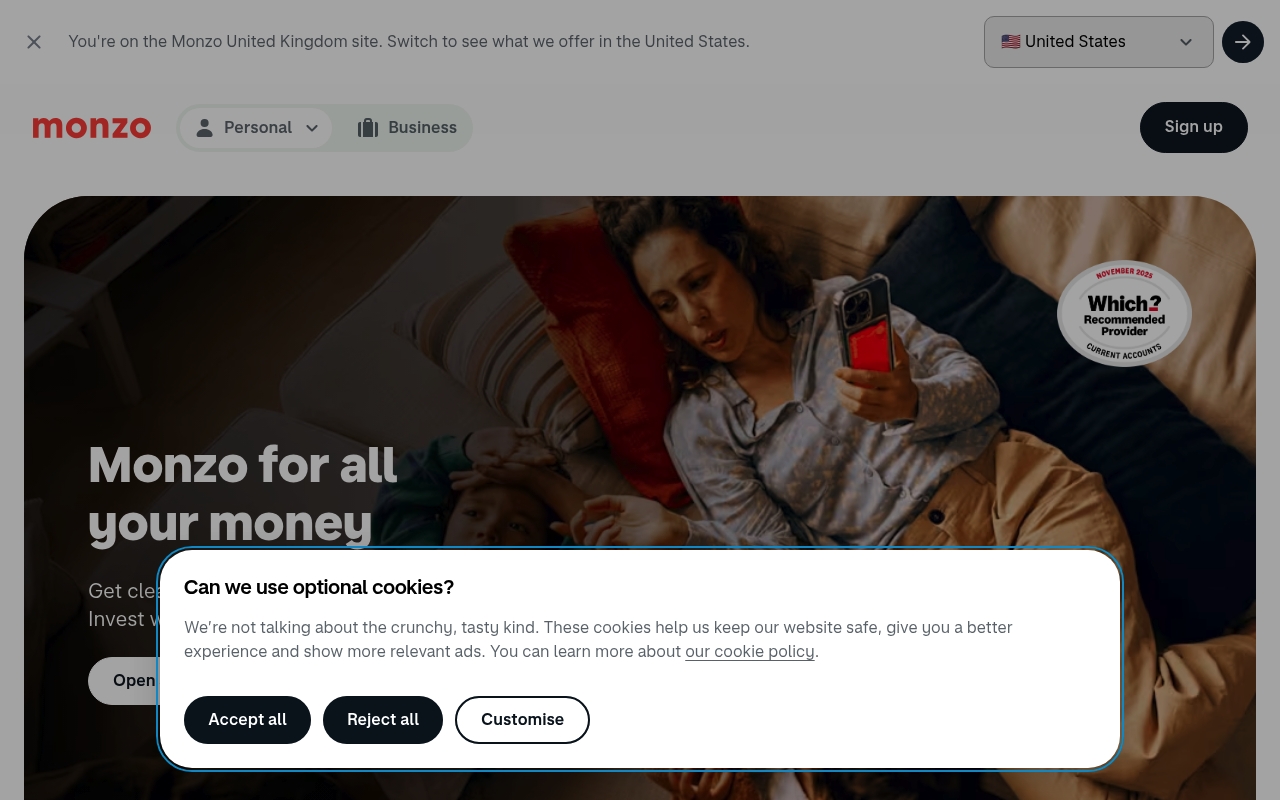
The founding team that built Monzo had all worked together before — at Starling Bank, another challenger bank startup that didn't survive its internal conflicts. Tom Blomfield, Gary Dolman, Jonas Huckestein, Jason Bates, and Paul Rippon left Starling together in 2015 and started again. The product they built was initially a prepaid card — a coral-coloured piece of plastic that became one of the most recognisable objects in British fintech — before becoming a fully licensed current account in 2017.
The early user community was unusual for a bank. Monzo ran community forums, published public blog posts about its engineering decisions, and invited customers into beta programmes for new features. When it broke the world record for the fastest crowdfunding raise in 2016 — £1 million in 96 seconds — it wasn't just raising money; it was building an identity. People felt ownership of the product in a way that no high street bank had ever managed to create. That emotional connection became a genuine competitive advantage.
The product has matured considerably since then. Monzo now offers current accounts, joint accounts, savings pots, personal loans, overdrafts, and investment products, all wrapped in the real-time notification experience and transaction categorisation that made its early reputation. Revenue reached £1.23 billion in 2024, up 40% year on year, with net income of £95 million — the second consecutive year of profitability after years of growth-first losses. The customer base reached 12.1 million by end of 2024, making Monzo the UK's largest digital bank by customer count. Customer deposits stood at £16.6 billion.
The business is still private — the much-discussed IPO has not yet happened, and internal disagreements about where to list (the former CEO TS Anil favoured the US, the board preferred London) contributed to Anil's departure in October 2025. Diana Layfield took over as CEO with a mandate focused on international expansion before any public listing. The company is valued at approximately $5.9 billion following a 2024 secondary sale backed by Alphabet's GIC and StepStone.
In December 2025 Monzo announced it had agreed to acquire Habito, the digital mortgage broker, pending regulatory approval — a move that extends the product into one of the last major financial products it didn't yet offer. With 3,821 employees and a loan book growing rapidly, Monzo has evolved from a prepaid card experiment into a bank with genuine scale and a growing claim on being the primary financial account for a generation of UK consumers.
Starling Bank
Digital Banking🇬🇧 United Kingdom
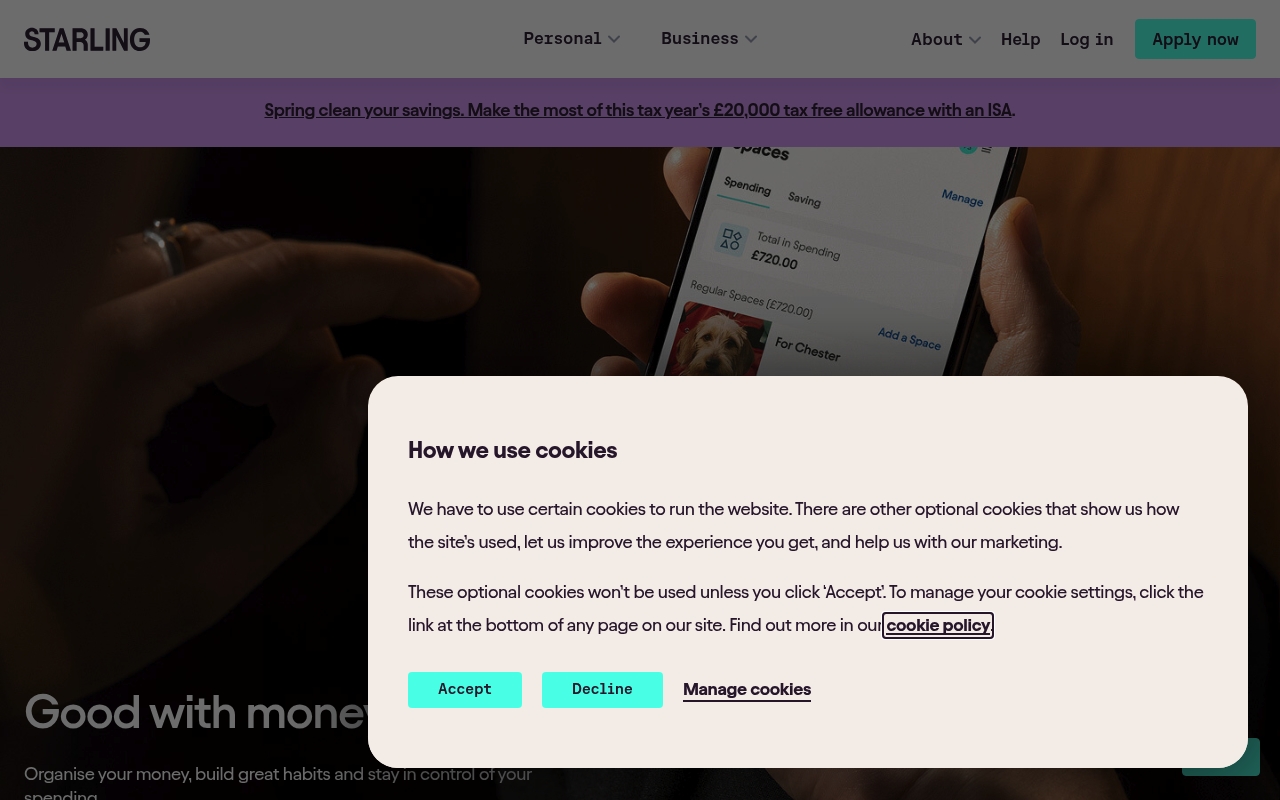
Starling Bank is a British challenger bank that stripped away the friction of traditional banking and rebuilt it around what modern customers actually need: instant notifications, real-time spending insights, and accounts you can open in minutes without stepping into a branch. Founded in 2014, it operates as a fully regulated bank with its own banking license, not just a wrapper around legacy infrastructure.
The platform serves both consumers and SMEs, offering straightforward current accounts, savings pots, and increasingly sophisticated business banking tools. Unlike neobanks reliant on partnerships, Starling owns its core infrastructure, which means faster iteration and tighter product control. The company has built a reputation for no-nonsense transparency: no hidden fees, no overdraft tricks, and clear communication about what you're getting.
In the crowded UK digital banking space, Starling stands apart through consistent execution and a focus on solving real problems rather than chasing hype. It's profitable, self-sufficient, and treated by legacy banks as a genuine competitor rather than a novelty. For European fintechs, Starling represents the successful blueprint: regulated, capital-efficient, and genuinely preferred by millions of users who value simplicity over flashiness.
As the fintech landscape matures, Starling exemplifies the shift from disruption theater to sustainable banking infrastructure—a reminder that the most radical innovation often looks deceptively simple.
Pockit
Digital Banking🇬🇧 United Kingdom
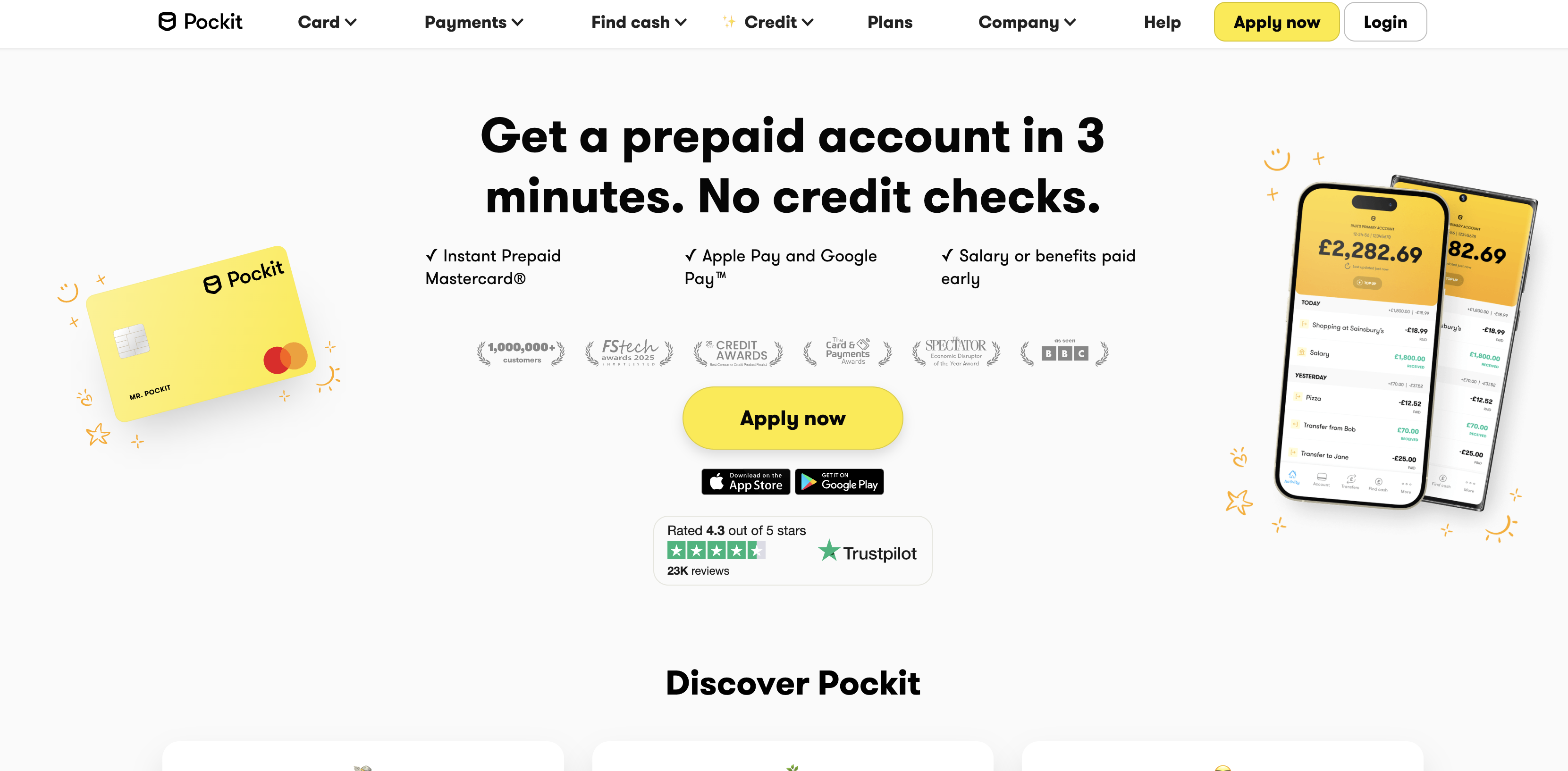
Pockit is a mobile-first financial platform designed for people who've been locked out of traditional banking. Rather than chasing the affluent, Pockit focuses on the underbanked—those without access to a current account, credit history, or the documentation banks demand. The app serves as a genuine alternative to brick-and-mortar banking, offering digital accounts, card payments, and money management tools entirely through your phone.
What sets Pockit apart is its commitment to financial inclusion without the gatekeeping. You don't need a credit score or payslip to open an account. Instead, the platform builds trust through usage patterns and behavioral data, creating pathways for people traditionally rejected by high street banks. This shifts the relationship from one of suspicion to one of genuine access.
The company operates across the UK and Europe, proving that underserved segments aren't just a niche—they're a substantial market. Pockit's mission is radical in its simplicity: banking shouldn't require jumping through hoops or having the right background. It's a challenger in the truest sense, not because it offers flashy features, but because it solves a real problem for millions of people who simply want to participate in the financial system.
Linxo
Open Banking🇫🇷 France
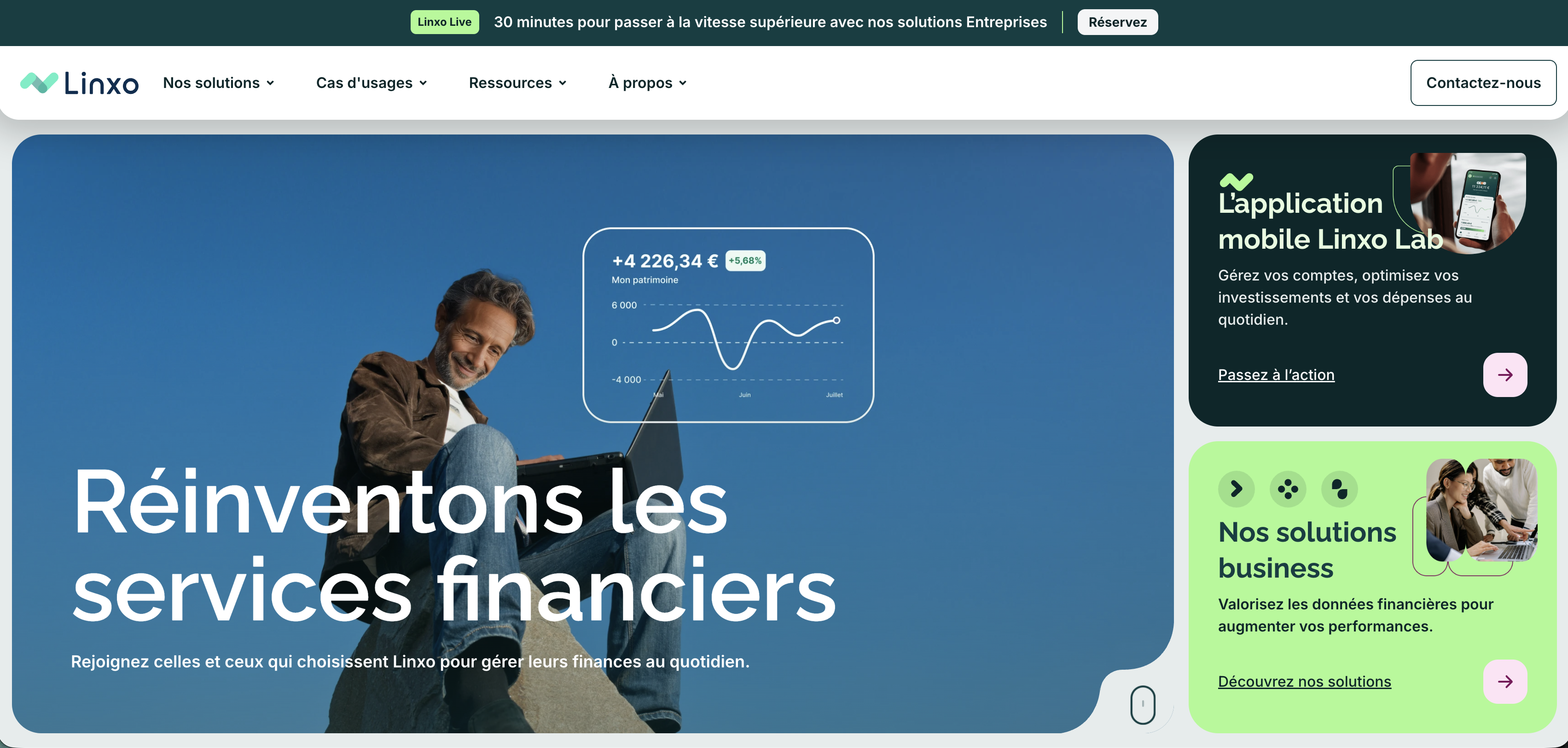
Linxo is a European personal finance platform that aggregates bank accounts, credit cards, and investments across multiple institutions into a single dashboard. Rather than asking users to switch banks entirely, the app pulls live data from existing accounts—a model that respects the European's pragmatic relationship with their primary bank while offering the insights and control they actually want. The company positions itself as the financial operating system for everyday money management, not a replacement for banking itself.
What sets Linxo apart in a crowded personal finance space is its focus on actionable intelligence. Beyond simple balance-checking, the platform categorizes spending automatically, alerts users to unusual transactions, and helps track progress toward financial goals—all without the paternalistic tone of many budgeting apps. It works across France, Spain, Germany, Italy, and Belgium, making it one of the few genuinely pan-European plays in a category often dominated by single-market apps.
Linxo has built its infrastructure on open banking standards, leveraging PSD2 APIs to connect securely to banking institutions rather than relying on screen-scraping. This approach gives it a technical moat while also keeping it aligned with regulatory trends. The company targets digitally-native adults who want visibility into their finances without the friction of traditional banking interfaces.
In the broader fintech landscape, Linxo represents a specific bet: that most people won't abandon their bank, but they will absolutely pay for—or accept advertising within—a tool that makes that bank easier to use. It's less disruptive than a neobank, more practical than an investment app, and more design-forward than legacy personal finance software.
Fintonic
Open Banking🇪🇸 Spain
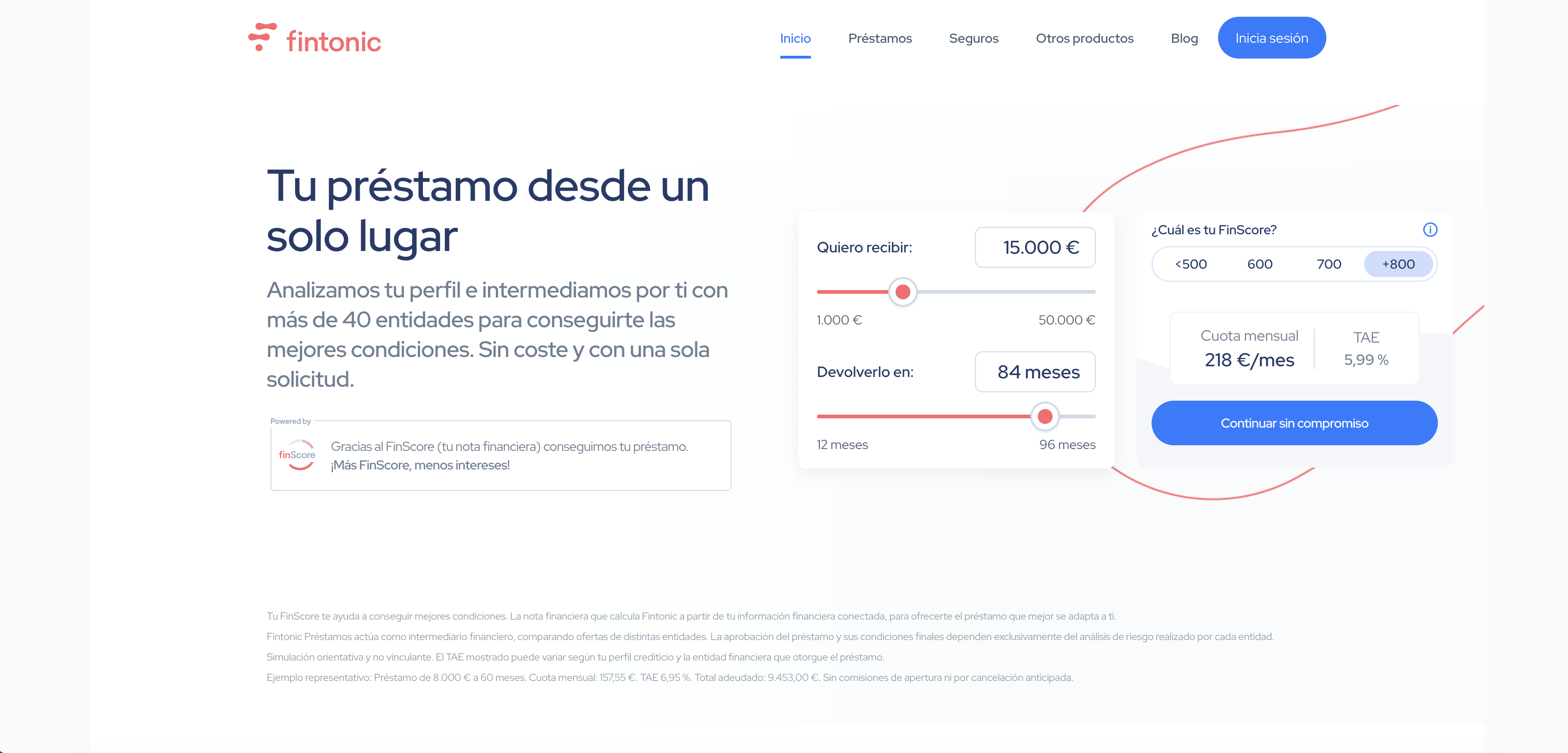
Fintonic is a Spanish fintech that has spent the better part of a decade helping everyday Europeans understand what they're actually spending money on. Rather than reinvent banking from scratch, it acts as a layer on top of your existing accounts—aggregating transactions, categorizing expenses, and surfacing insights that most banks still bury in PDF statements. The app feels less like financial software and more like a personal finance companion that speaks plain language. You link your bank accounts, and Fintonic does the unglamorous work: tracking subscriptions you forgot about, highlighting spending patterns, flagging unusual transactions. It's deliberately unglamorous work, because the real value sits in simplicity. What sets Fintonic apart in a crowded personal finance space is its focus on the European user. The platform understands local banking infrastructure, multi-currency households, and the specific pain points of cross-border living. It's not trying to be your investment platform or your savings app or your lending provider—it's trying to be the one thing most people actually need: clarity on money that's already moving. For a generation that finds traditional banking UX infuriating, Fintonic occupies the pragmatic middle ground: minimal, useful, and genuinely designed for how Europeans actually manage money.
Raisin
Wealth🇩🇪 Germany
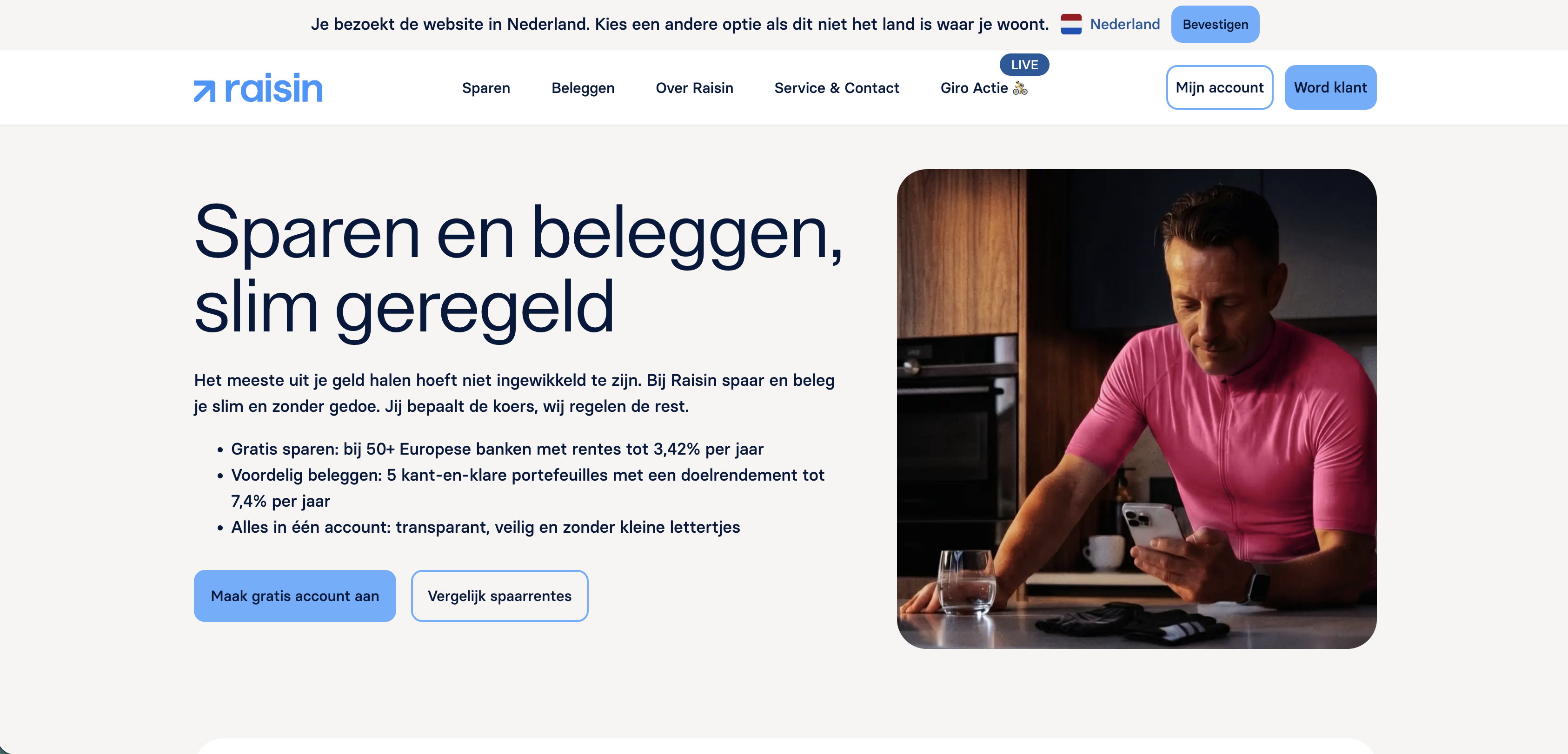
Raisin operates as Europe's leading savings marketplace, connecting millions of savers with competitive deposit and investment products across a fragmented banking landscape. Rather than building its own bank, Raisin has assembled a platform that lets customers shop for the best rates on savings accounts, fixed-rate deposits, and bonds from hundreds of partner institutions—cutting through the friction that keeps most European savers stuck with their hometown banks paying near-zero interest. The core insight is deceptively simple: most people never comparison shop for savings because it's tedious, so they leave money on the table. Raisin automated that tedium and standardized the onboarding, making it easy to move cash between institutions in search of yield. This positions it somewhere between a broker, a marketplace operator, and a fintech enabler. The platform operates across multiple European markets—Germany, Austria, Spain, France, and the UK—and has scaled to manage billions in deposits through its partner banks. By aggregating demand and making switching painless, Raisin has built a defensible moat in an industry where incumbents have historically relied on customer inertia. Unlike neobanks chasing transaction volume or fintechs building products for the already-engaged, Raisin targets the vast middle: ordinary savers who want better returns without complexity. Its expansion into investment products shows ambition to become the default platform for European retail savings and wealth building, operating as infrastructure for the continent's distributed banking system.
Rauva
SME Finance🇵🇹 Portugal
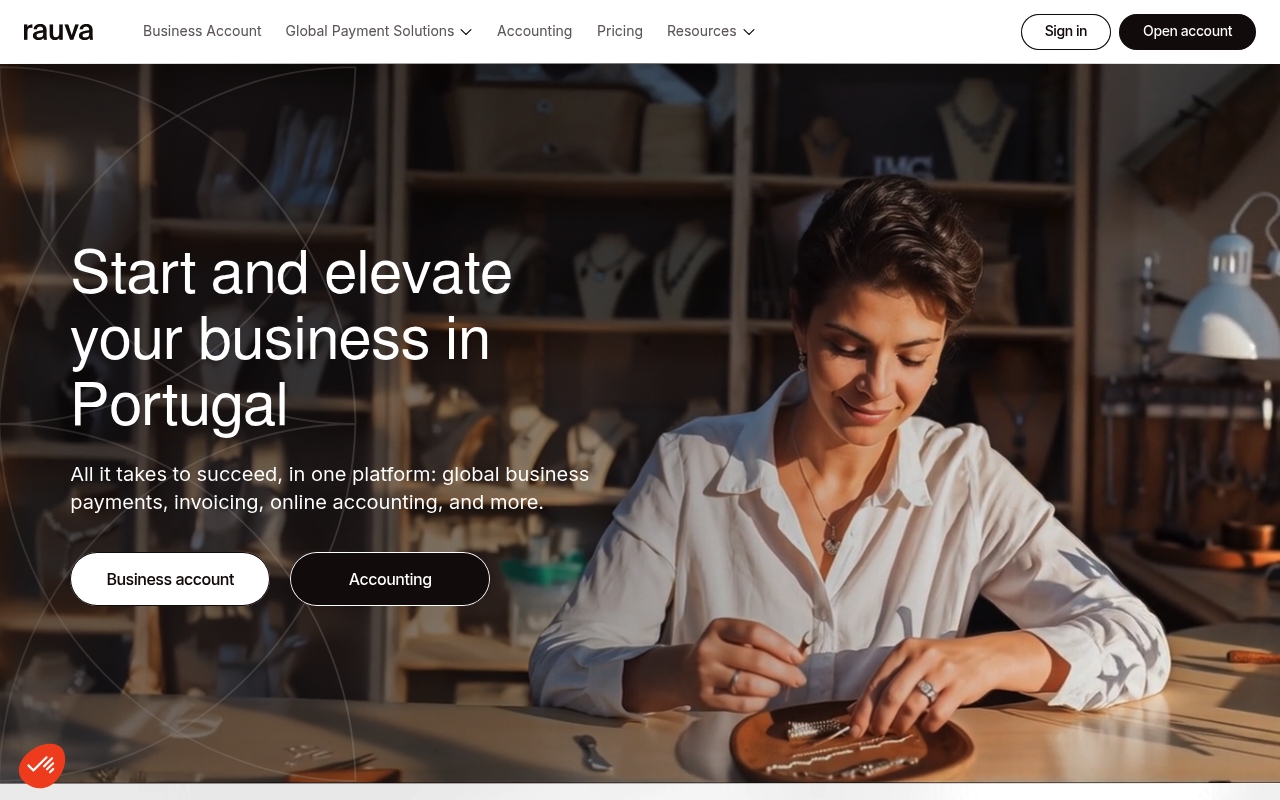
Rauva is a fintech platform built specifically for small business owners who are tired of juggling spreadsheets and fragmented tools. It combines invoicing, expense tracking, and financial reporting into a single dashboard, giving SMEs real-time visibility into their business finances without the accountant overhead. The platform connects directly to bank accounts and automatically categorizes transactions, turning raw financial data into actionable insights.
What sets Rauva apart is its focus on simplicity and speed. Rather than forcing businesses through complicated setup processes or charging enterprise-level fees, it delivers straightforward features that address the immediate pain points SMEs face: understanding cash flow, managing invoices, and staying on top of tax obligations. The interface feels built for people who run businesses, not for finance professionals.
In the crowded landscape of SME fintech, Rauva competes by refusing complexity. While competitors bundle accounting, payroll, and inventory management into bloated suites, Rauva stays laser-focused on financial visibility and reporting. It's the kind of tool a busy founder pulls up on Monday morning without needing a training session. The company has positioned itself as the alternative to traditional accounting software that feels stuck in the 2000s and overly expensive cloud-based platforms that are overkill for small teams.
Rauva represents the practical middle ground in SME finance: powerful enough to matter, simple enough to use.
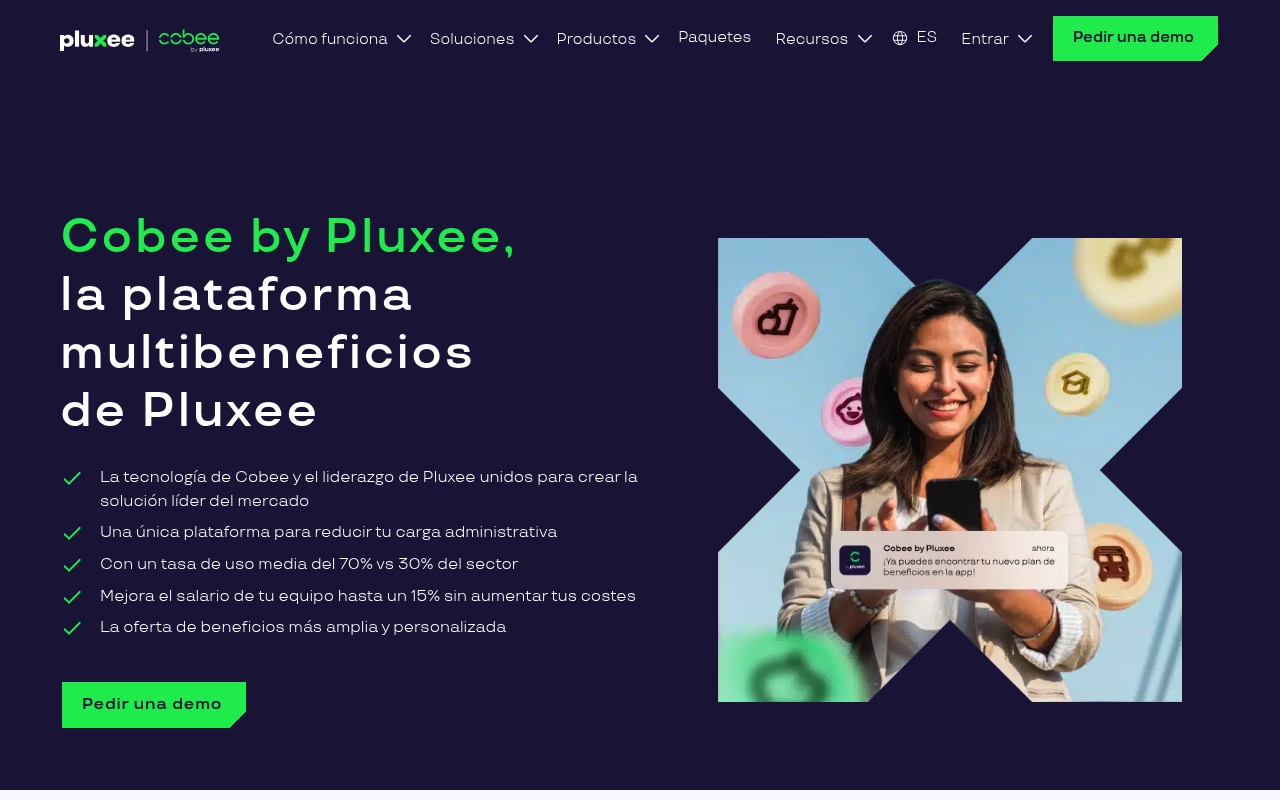
Cobee
SME Finance🇪🇸 Spain
Cobee gives companies a platform for employee benefits and flexible compensation.
Taxfix
Personal Finance🇩🇪 Germany
Taxfix helps consumers file tax returns through a guided mobile experience.