17 companies

Ritmo
Digital Banking🇪🇸 Spain
Ritmo is a neobank built specifically for the gig economy—the millions of freelancers, contractors, and self-employed workers across Europe who operate outside traditional employment structures. Instead of forcing gig workers into standard business banking products, Ritmo designed from the ground up to understand the rhythms of irregular income, multiple clients, and the administrative burden that comes with self-employment.
The platform combines a business checking account with invoicing, expense tracking, and tax preparation tools, removing the friction between earning money and managing it. You get real-time visibility into cash flow, automated categorization of business expenses, and direct integration with tax authorities—so when it's time to file, the data is already organized.
What sets Ritmo apart isn't just its feature set. Most fintech players either chase the consumer market or build enterprise solutions for corporations. Ritmo recognized a gap: gig workers are economically significant but underserved by both traditional banks and most neobanks. The company speaks their language, understands their cash flow volatility, and builds products that actually reflect how they work.
In the broader European fintech landscape, Ritmo represents a growing trend of vertical-specific banking platforms. Rather than being all things to all people, it's solving a precise problem for a rapidly growing demographic. For the gig worker tired of explaining variable income to a bank manager or juggling multiple apps, Ritmo is the kind of focused, no-nonsense solution that defines modern fintech at its best.

Cobee
SME Finance🇪🇸 Spain
Cobee launched in Madrid in 2019 to fix something specific about Spanish employment: the country's employee benefits system is generous and tax-advantaged, and almost impossible for a small HR team to administer. Meal vouchers, transport, childcare, training, health insurance — each carries its own rules, providers and paperwork, and most companies either outsourced the mess or simply didn't offer benefits at all.
Cobee's answer was a single card and app that consolidated every benefit into one place. Employees see and spend their allowances from one balance; employers configure the whole programme from one dashboard, with the tax treatment handled automatically. The product spanned more than twelve benefit types, including meal vouchers, training, health and life insurance, wellbeing and employee discounts, and its modular technology allowed it to expand into Portugal and Mexico without rebuilding.
The traction was substantial. Cobee served over 1,500 corporate clients and around 100,000 employees, won BBVA's Open Talent competition in 2019, and was on track for more than 100% year-on-year organic growth in its 2024 fiscal year. Co-founders Borja Aranguren and Ignacio Travesí built it with backing from investors including Balderton Capital.
In June 2024, Pluxee — the employee benefits group spun off from Sodexo, operating in 31 countries and serving more than 37 million consumers — agreed to acquire 100% of Cobee, completing the deal in September 2024 after Spanish regulatory approval. It was the first acquisition of Pluxee's stated M&A strategy, and the logic was straightforward: Pluxee already led the Spanish benefits market by volume with 330,000 employee consumers, but Cobee had the technology and the digital-native product experience. Cobee is therefore no longer an independent Spanish fintech — it operates as a Pluxee company, and its platform now serves the group's broader benefits offering across Spain, Portugal and Mexico.
Embat
Financial Infrastructure🇪🇸 Spain
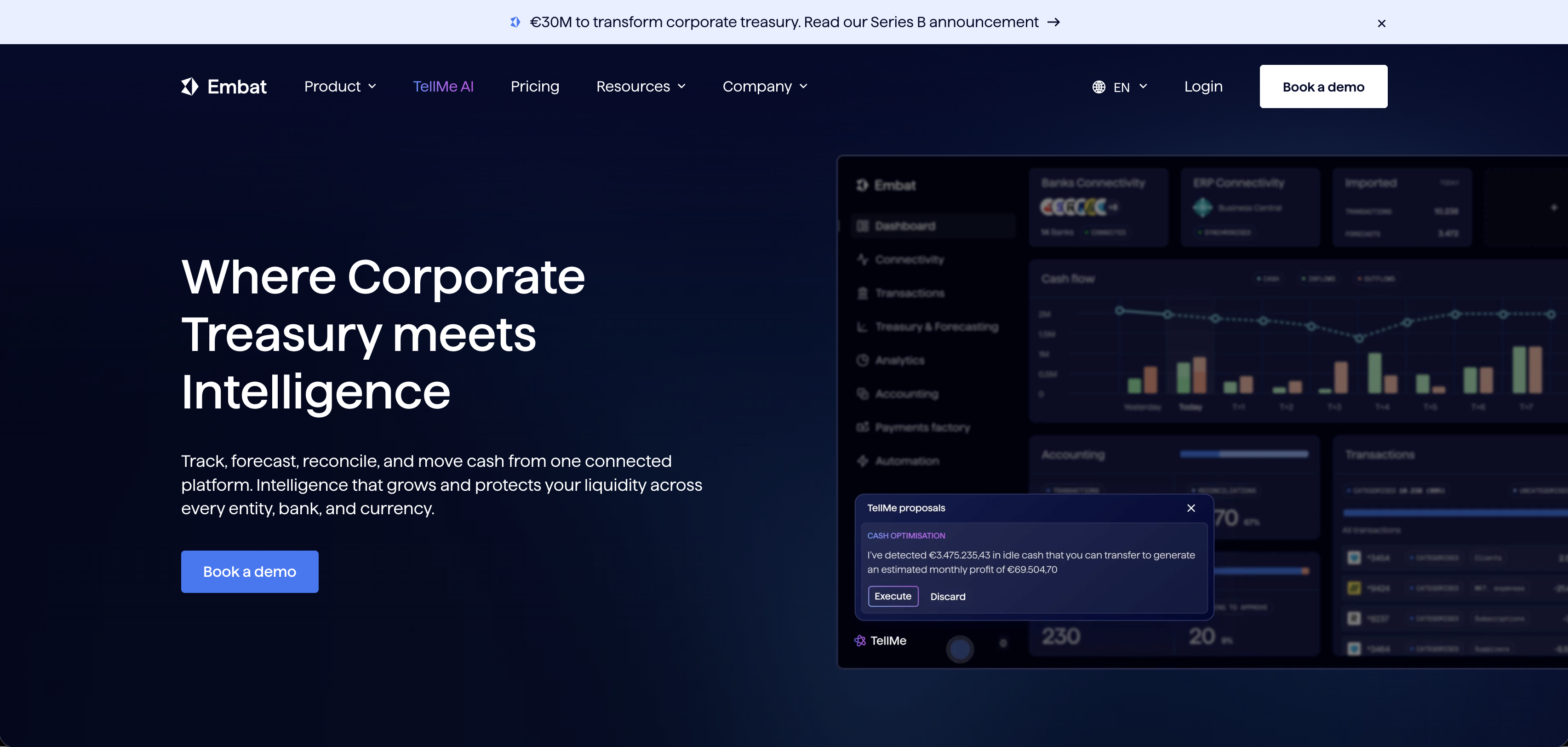
Embat is a European fintech platform built for the era when payments moved beyond the checkout. Founded on the principle that modern businesses need payment infrastructure that speaks their language—not the other way around—Embat offers a composable payments stack designed for developers and merchants who refuse to settle for legacy constraints.
The platform combines payment orchestration, processing, and settlement into a single, modular system. Rather than forcing clients into rigid vendor relationships, Embat lets companies plug in their preferred processors, acquirers, and gateway partners while maintaining unified visibility and control. This flexibility appeals to enterprises and merchants tired of vendor lock-in and technical debt.
What sets Embat apart in the crowded European payments landscape is its developer-first design philosophy. The company recognizes that payments sit at the intersection of multiple systems—loyalty, inventory, subscriptions, marketplaces—and builds its API architecture accordingly. This contrasts sharply with older payment solutions that treat payments as an isolated transaction layer rather than a core business platform.
Embat occupies a distinct position between monolithic payment processors and lightweight API providers. It's built for companies that have outgrown commodity payment gateways but don't want to stitch together five different vendors to get what they need. In the increasingly competitive European fintech market, Embat represents the modern infrastructure play: solving real operational complexity for merchants and enterprises through intelligent, flexible payment technology.
Divilo
Financial Infrastructure🇪🇸 Spain
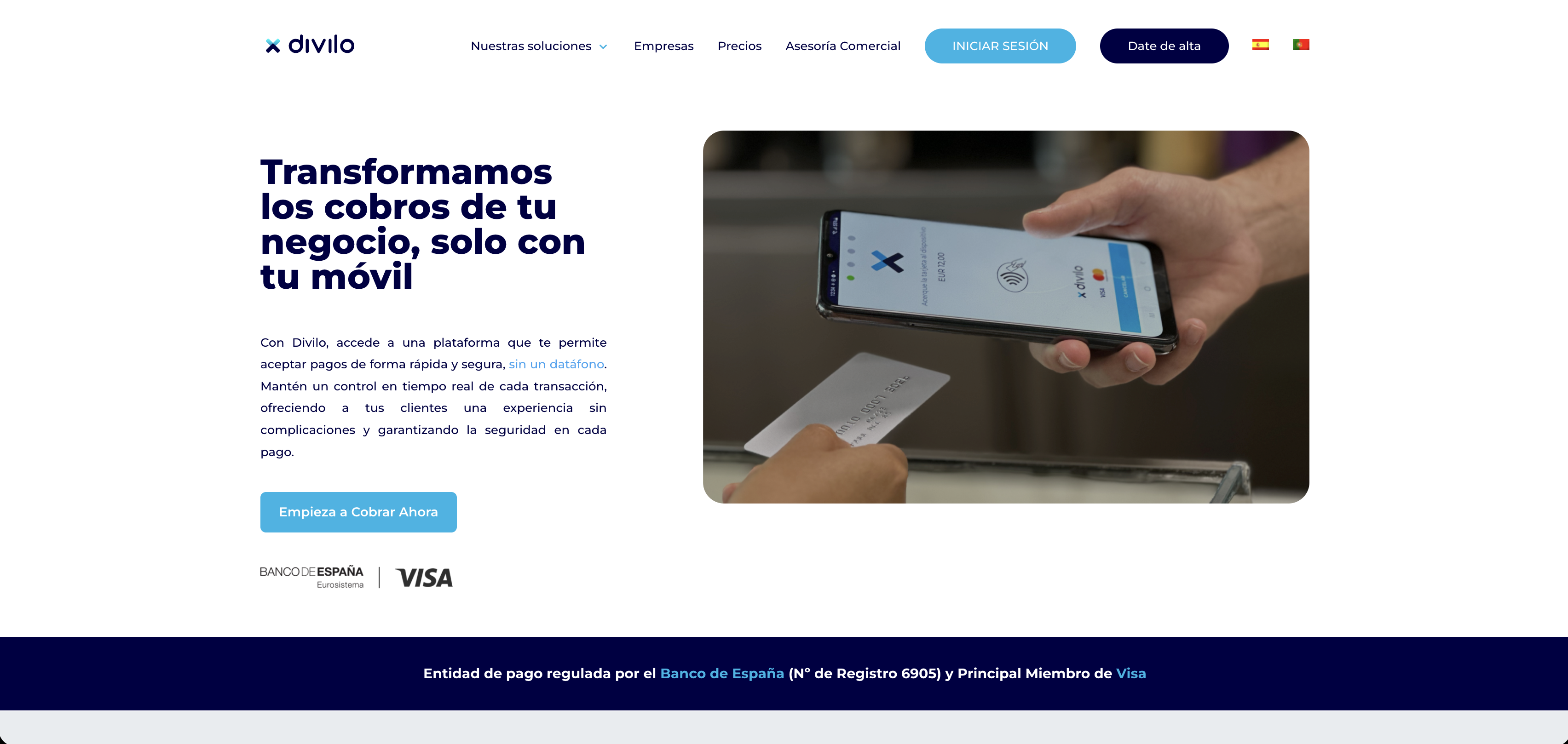
Divilo is building the infrastructure for European businesses to manage their international payroll at scale. Rather than juggling multiple vendors across different countries—payroll processors here, compliance specialists there, currency brokers elsewhere—Divilo consolidates the entire stack into one operating system. The platform handles everything from local employment law compliance to multi-currency payments, tax filing, and benefits administration across the continent. For HR teams and CFOs wrestling with the complexity of expanding internationally, it's a rare case of genuine consolidation rather than another bolted-on layer. The European payroll market remains fragmented by design—local rules, tax codes, and banking infrastructure mean there's no true continental standard. Divilo is attacking this head-on with a unified API and dashboard that speaks to both the technical and operational reality of cross-border employment. It's the kind of infrastructure play that sounds boring until you realize how much operational friction it removes for companies thinking beyond their home market.
Fintonic
Open Banking🇪🇸 Spain
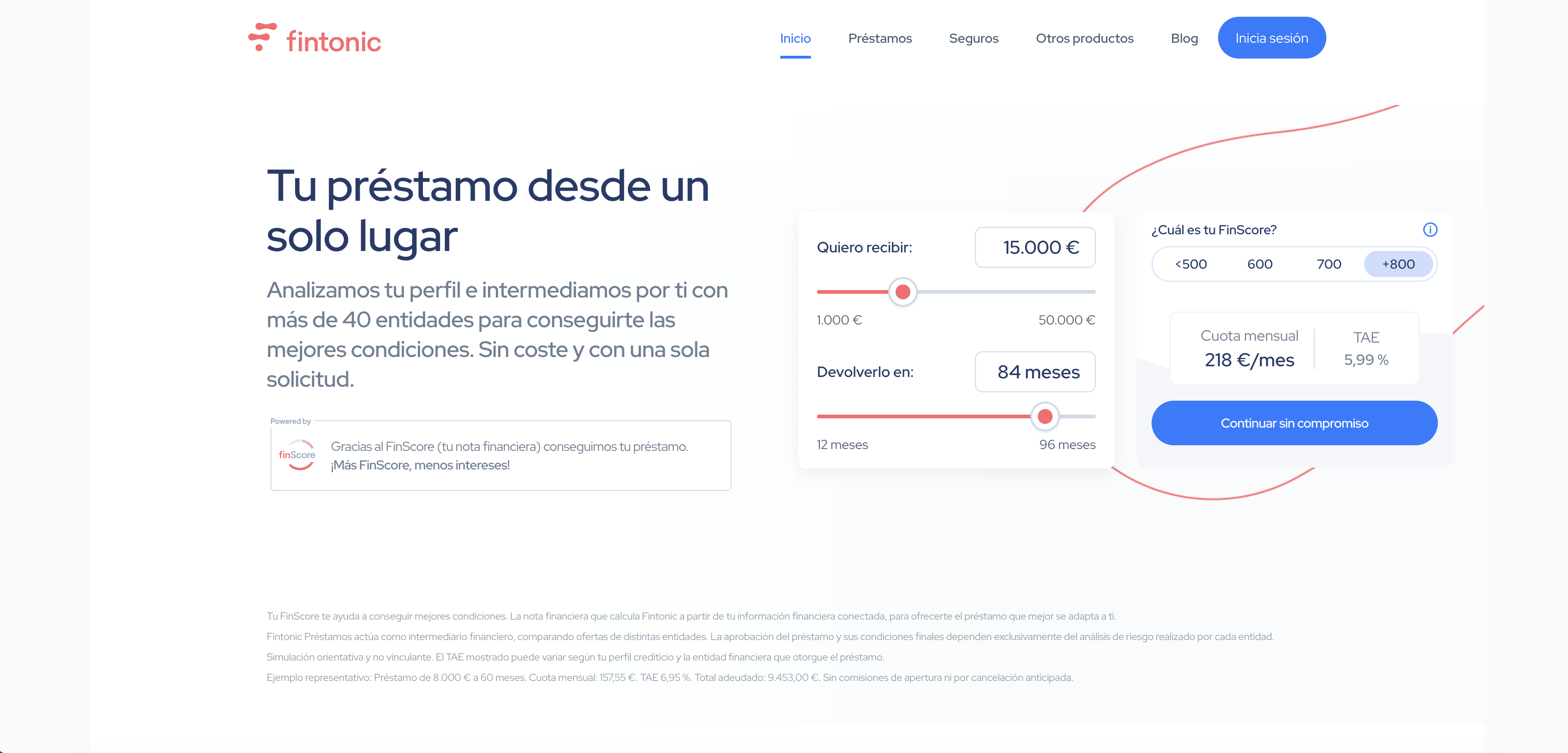
Fintonic is a Spanish fintech that has spent the better part of a decade helping everyday Europeans understand what they're actually spending money on. Rather than reinvent banking from scratch, it acts as a layer on top of your existing accounts—aggregating transactions, categorizing expenses, and surfacing insights that most banks still bury in PDF statements. The app feels less like financial software and more like a personal finance companion that speaks plain language. You link your bank accounts, and Fintonic does the unglamorous work: tracking subscriptions you forgot about, highlighting spending patterns, flagging unusual transactions. It's deliberately unglamorous work, because the real value sits in simplicity. What sets Fintonic apart in a crowded personal finance space is its focus on the European user. The platform understands local banking infrastructure, multi-currency households, and the specific pain points of cross-border living. It's not trying to be your investment platform or your savings app or your lending provider—it's trying to be the one thing most people actually need: clarity on money that's already moving. For a generation that finds traditional banking UX infuriating, Fintonic occupies the pragmatic middle ground: minimal, useful, and genuinely designed for how Europeans actually manage money.
Kantox
Payments🇪🇸 Spain
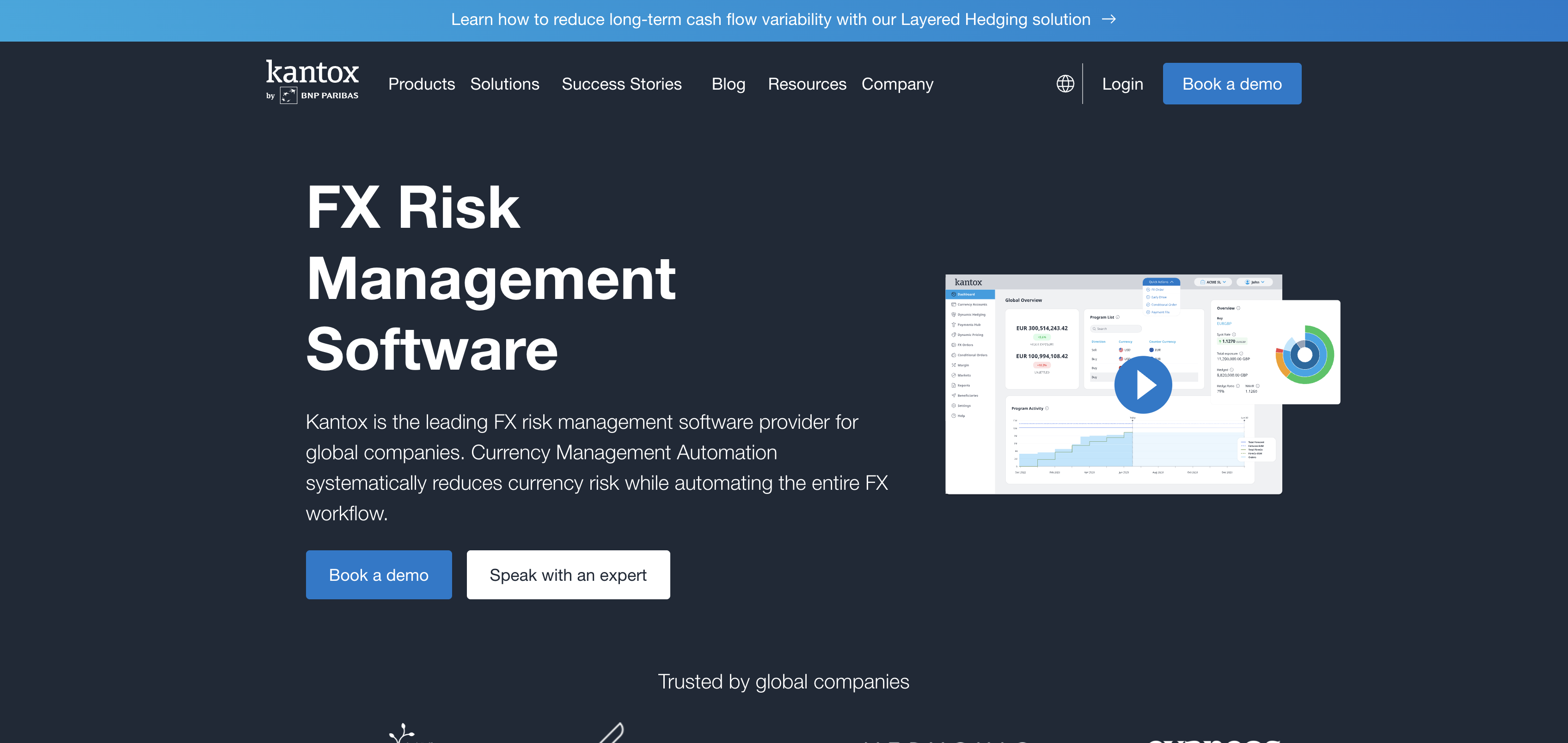
Kantox sits at the intersection of corporate finance and fintech, solving a problem that has plagued treasurers and CFOs for decades: the cost and complexity of managing foreign exchange. Rather than forcing companies through the byzantine world of traditional banks or crude hedging tools, Kantox built a platform that lets businesses buy and sell currency with transparency, speed, and intelligence.
The platform aggregates liquidity from multiple sources—banks, non-bank liquidity providers, and peer matching—and surfaces the best rates in real time. No more vendor lock-in, no more opaque spreads, no more waiting. A mid-market company can execute a multi-million euro FX trade in minutes, seeing exactly what they're paying and why.
What sets Kantox apart in a crowded treasury tech space is its refusal to abstract away the mechanics. The platform shows you the market, then lets you trade. It's designed for finance professionals who know what they're doing and want control back from intermediaries. The company has built serious depth in emerging markets and supply chain currencies, which most legacy providers still treat as afterthoughts.
Kantox represents a broader shift in European fintech: the recognition that some of the most valuable problems live in the unglamorous corners of corporate finance, where even small improvements in execution cost save companies millions annually. In that sense, it's doing for FX what more visible fintechs have done for payments—stripping away friction and opacity from a process that should have been digital decades ago.
bnext
Payments🇪🇸 Spain
bnext is a Spanish neobank built for the self-employed and small business owners who've outgrown traditional banking but don't need enterprise complexity. It strips away the bloat of legacy banks and focuses on what actually matters: a mobile-first account, competitive forex rates, and transparent fees with no surprise charges. The platform handles invoicing, expense tracking, and basic bookkeeping alongside core banking, positioning itself as a unified workspace rather than just another digital bank. Where established institutions still treat SMEs as afterthoughts, bnext treats them as the primary customer. It's designed for the freelancer checking balances between client calls and the startup founder who wants one dashboard instead of five browser tabs. The company has carved out real traction in Spain and increasingly across Europe, proving there's genuine demand for banking that actually understands how modern small business works.
Kviku
Lending🇪🇸 Spain
Instant credit at the point of need — a small loan approved in seconds, disbursed before the moment of purchase passes — is one of the more powerful applications of modern credit technology. Kviku was founded in 2013 and operates as a digital consumer lender offering virtual credit cards and instalment loans across multiple markets including Spain, Poland, Kazakhstan, and the Philippines. Its model is built around speed and accessibility: a fully automated underwriting process that makes credit decisions in real time using alternative data, targeting the segment of consumers who need small amounts quickly and are underserved by traditional credit products. The virtual credit card format is particularly relevant in markets where physical card infrastructure is less developed but smartphone penetration is high. Kviku operates across a wide geographic footprint for a company of its size, reflecting the scalability of a model that is fundamentally about credit technology rather than physical distribution. In the embedded finance and BNPL context, Kviku represents the direct lending end of the spectrum — not a buy now pay later product embedded in a merchant checkout, but a digital credit line that consumers carry with them to any point of purchase.
Goin
Digital Banking🇪🇸 Spain
Goin is a European neobank built for the smartphone generation, stripping away the pretense of traditional banking in favour of straightforward, low-cost accounts and payments. The app handles everyday financial tasks—spending, saving, sending money across borders—without the legacy infrastructure that makes older banks so cumbersome and expensive. It's the kind of mobile-first banking that feels natural to anyone who's grown up with apps, not branches.
What sets Goin apart is its refusal to complicate things. There are no hidden fees buried in the fine print, no minimum balances, and no obligation to maintain a relationship with a bricks-and-mortar institution. The experience is deliberately minimal: open an account in minutes, get a virtual card instantly, and start moving money without friction. For a generation suspicious of traditional finance, that clarity is itself a differentiator.
Goin operates across multiple European markets, positioning itself against both legacy banks and the proliferation of feature-heavy challenger banks that have crowded the space. It competes on simplicity and accessibility rather than novelty—no cryptocurrency features, no gamification, just a clean interface and sensible pricing. In an increasingly crowded neobank landscape, that disciplined focus feels like a quiet statement of purpose.
Rebellion Pay
Payments🇪🇸 Spain
Rebellion Pay is a Berlin-based fintech that's quietly reshaping how independent merchants and small businesses handle payments across Europe. Rather than forcing merchants into the familiar—and often expensive—dance with traditional acquirers, Rebellion Pay sits somewhere between a payments orchestrator and a merchant enabler, connecting SMEs to better rates and faster settlement through its own infrastructure.
The company focuses on the merchant acquiring layer, carving out a niche where most European fintech players either go full neobank or stay pure-play processors. Rebellion Pay's positioning sits at the operational level: they handle the mechanics of card acceptance, gateway infrastructure, and merchant onboarding—the unglamorous but highly profitable middle ground that larger players often overlook or silo into legacy systems.
What sets them apart isn't flashy consumer apps or venture-capital-fueled consumer acquisition. Instead, Rebellion Pay serves merchants who want simpler payment infrastructure without the complexity of traditional acquiring relationships. They've built for an audience tired of legacy processor friction and are betting that transparency and operational efficiency resonate more than novelty.
In the broader European fintech landscape, Rebellion Pay represents a quiet thesis: that embedded payments and merchant infrastructure remain genuinely underdeveloped, and there's real value in cleaning up the plumbing rather than just adding new surfaces on top of it.