6 companies
Flexfin
Lending🇬🇷 Greece
Flexfin provides invoice financing and working capital for Greek businesses.
Snappi Bank
Digital Banking🇬🇷 Greece
Snappi is a neobank built for everyday banking that doesn't pretend to reinvent finance. It's a straightforward mobile-first account where you can hold money, make payments, and manage your finances without the bureaucratic friction of traditional banks. The platform strips away unnecessary complexity—no hidden fees, no confusing terms, just a clean interface and real banking functionality.
What sets Snappi apart in the European neobank landscape is its focus on practical accessibility rather than flashy features. While competitors chase cryptocurrency integration or investment tools, Snappi delivers core banking: instant account setup, real cards, and seamless transfers. The company operates under proper banking licenses, which means your deposits carry the weight of actual financial regulation, not just the promise of a tech startup.
It's positioned as the thinking person's alternative to legacy banking, aimed at people who want modern convenience without pretension. In a market crowded with neobanks chasing growth metrics, Snappi appeals to those who simply want banking that works and gets out of the way.
Viva
Payments🇬🇷 Greece
Viva is a Greek payment infrastructure company that's quietly rewriting how businesses handle transactions across Europe. Rather than forcing merchants into proprietary ecosystems, Viva acts as the connective tissue between retailers and the complex world of payment rails, offering a unified platform that simplifies what was once fragmented and painful. The company processes billions in transaction volume annually, operating across multiple countries with a particular stronghold in Southern and Central Europe where it's become the go-to backbone for everything from small cafes to large retail chains.
What sets Viva apart is its pragmatic approach to the payments problem. While competitors obsess over consumer-facing design or venture-scale ambitions, Viva has built a deeply integrated merchant platform that handles card acquiring, billing, reporting, and reconciliation in one place. It's the kind of infrastructure that doesn't make headlines but makes operators' lives measurably easier. The company operates with a B2B lens, working directly with acquiring banks and payment processors rather than trying to disrupt them, which has allowed it to expand methodically across Europe without the cultural friction that doomed earlier fintech challengers.
In the broader European fintech landscape, Viva represents a different breed of company—one focused on solving unglamorous, permanent problems at scale rather than chasing consumer trends or speculative technologies. It's the connective infrastructure that enables other fintechs to exist, a role that's proven far more defensible and profitable than most initially assumed.
Finloup
Financial Infrastructure🇬🇷 Greece
Finloup is a European lending infrastructure platform that helps financial institutions and fintechs automate credit decisions and manage loan portfolios at scale. The company builds white-label software that sits between lenders and borrowers, handling everything from application to origination to ongoing portfolio management. Rather than reinventing the wheel for each lender, Finloup abstracts away the operational complexity of modern lending—think of it as the backstage machinery that lets banks and fintech lenders focus on distribution and customer experience instead of building lending systems from scratch. The platform works across consumer and SME lending, serving institutions across multiple European markets who need faster, smarter, more compliant ways to originate and manage credit. Where traditional core banking systems move slowly and cost millions to customize, Finloup offers speed and flexibility. It's built for a market where fintech lending has exploded but the infrastructure hasn't kept pace with demand. The company essentially democratizes access to institutional-grade lending technology, lowering the barriers for smaller players to compete with incumbents. Within the broader fintech ecosystem, Finloup represents a critical infrastructure layer—the unsexy but essential plumbing that makes modern lending possible at European scale.
Everypay
Payments🇬🇷 Greece
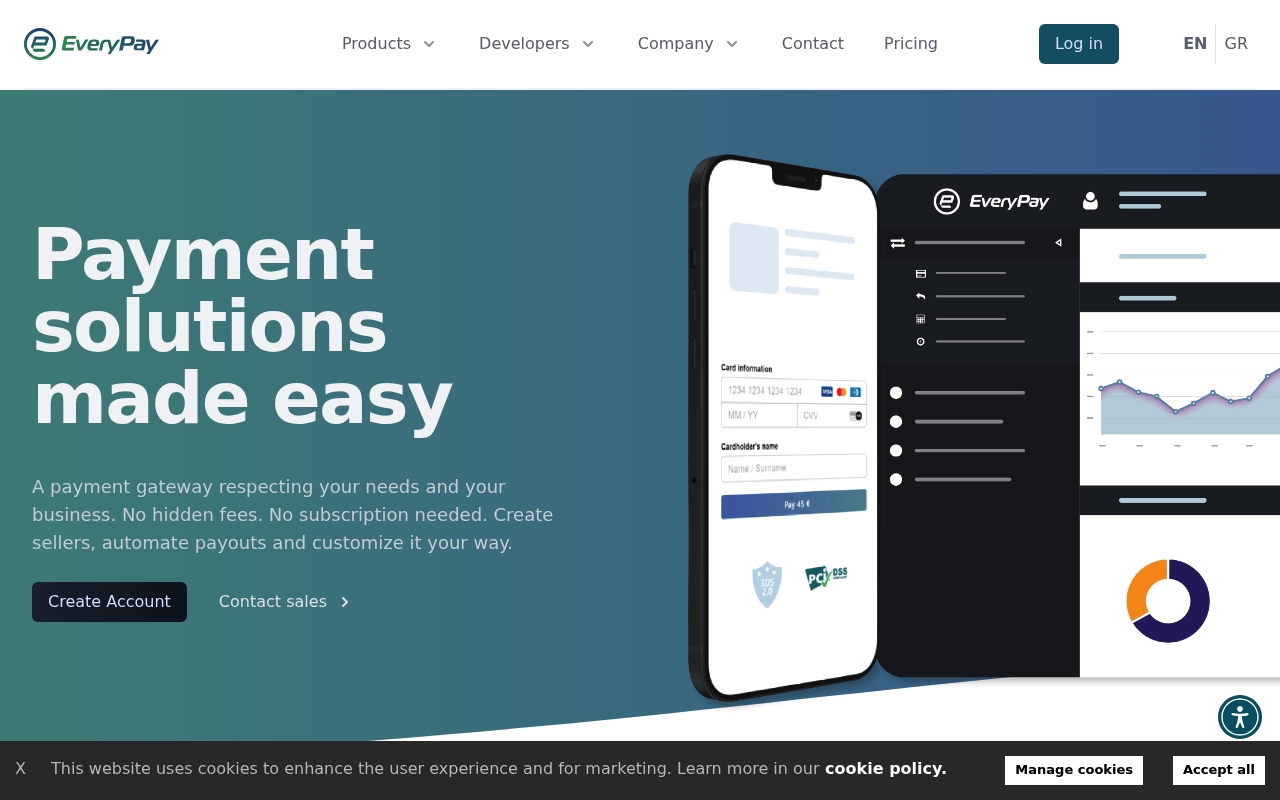
Everypay is a Greek fintech that's built a modern payment infrastructure for local businesses and developers who've grown tired of legacy banking gatekeepers. The platform sits somewhere between a payment gateway and a banking-as-a-service provider, handling card processing, payouts, and settlement for merchants and platforms across Greece and increasingly beyond. What sets Everypay apart in the fragmented Southern European payments landscape is its developer-first approach—clean APIs, transparent pricing, and a focus on solving real operational headaches rather than selling complexity. The company has managed to capture significant volume from SMEs and marketplaces in a market where payment options have historically felt limited or expensive. For Greek merchants especially, Everypay represents a genuine alternative to the traditional banking corridors, offering both acquiring services and access to modern payment rails. It's the kind of infrastructure play that rarely gets headlines but quietly becomes indispensable to the ecosystem it serves.
Skroutz
Embedded Finance🇬🇷 Greece
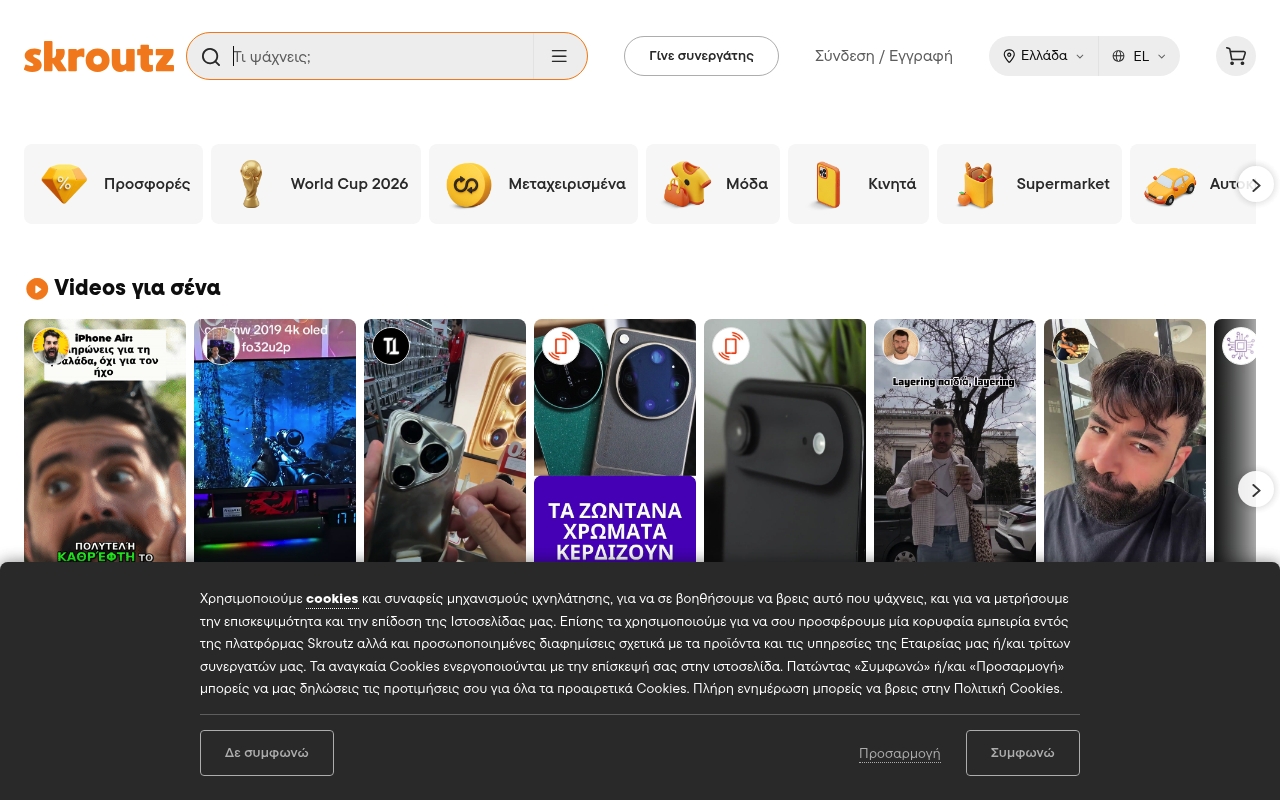
Skroutz is Greece's largest price comparison and shopping platform, a digital marketplace that lets consumers hunt down deals across thousands of products from electronics to home goods. The platform aggregates inventory from major retailers, allowing shoppers to compare prices, read reviews, and jump directly to purchase without leaving the site. It's become an essential layer between Greek consumers and the country's retail ecosystem, capturing transaction data that feeds back into merchant intelligence. Beyond shopping, Skroutz has quietly built a fintech angle through its payments infrastructure and merchant services, positioning itself as a facilitator of digital commerce in a market still transitioning from cash. The company operates across Greece with growing regional influence, functioning less as a pure price comparison tool and more as a commerce operating system. Its real power lies in aggregation—it knows what Greeks are buying, when they're buying it, and at what price, making it a data asset in an otherwise fragmented retail landscape. While not a traditional fintech, Skroutz increasingly touches financial flows through payment processing and merchant settlement, bridging the gap between consumer demand and retail supply. The platform represents a distinctly Southern European approach to commerce: pragmatic, merchant-focused, and embedded in local market dynamics rather than chasing venture-scale hypergrowth. For merchants, Skroutz offers access to millions of price-conscious shoppers; for consumers, it's the reflex check before buying online in Greece.