What is Capital Markets?
Capital markets fintech applies software to the infrastructure of financial markets — trading, market making, securities processing, post-trade operations, and the data and analytics that underpin investment decisions. The category sits at the institutional end of the fintech spectrum, serving banks, asset managers, hedge funds, brokers, and exchanges. Regulatory change has been a significant driver: MiFID II's transparency requirements created demand for reporting and analytics tools, T+1 settlement requirements are driving investment in post-trade infrastructure, and the growth of algorithmic trading has created demand for real-time data and execution technology.
European Capital Markets companies in our database
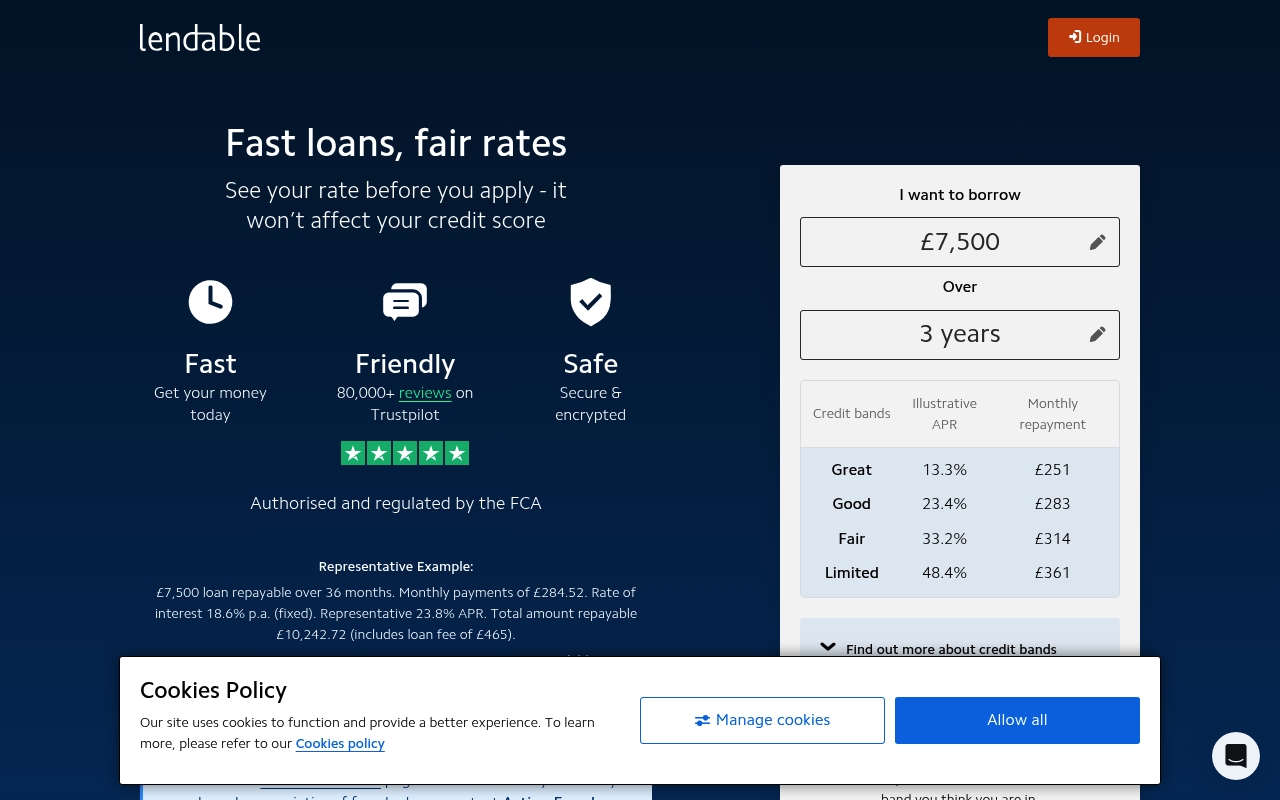
Lendable sits at the intersection of institutional finance and algorithmic credit. It's a platform that connects alternative lenders—think peer-to-peer platforms, fintechs, and non-bank lenders—with institutional capital markets. Rather than originating loans itself, Lendable acts as a market infrastructure layer, securitizing consumer and SME loan portfolios and selling them to institutional investors hungry for yield in an era of low rates. The company essentially democratized access to capital markets for non-traditional lenders. Before Lendable, a mid-sized P2P lender or online SME lender couldn't easily tap into the deep-pocketed institutional buyers that banks routinely access. Lendable changed that by building the plumbing—origination APIs, portfolio management tools, and securitization infrastructure—that lets alternative lenders scale without warehousing risk on their own balance sheets. In the European fintech landscape, Lendable represents a specific but growing category: the infrastructure play that enables other fintechs to thrive. It's not a consumer app; it's the backbone that lets consumer-facing lenders actually fund their ambitions. The platform has processed billions in loan assets and works with some of Europe's most recognizable fintech names. Lendable's role in the broader ecosystem is that of a bridge—connecting the new world of distributed lending with the old world of institutional capital. It's quietly important infrastructure, the kind of thing that doesn't grab headlines but fundamentally reshapes how credit flows.

Invesdor is a European equity crowdfunding platform that lets retail investors back early-stage companies and SMEs with growth potential. Founded in 2012, it operates across the Nordic and Baltic regions, democratizing access to private company investments that were once reserved for institutional players and high-net-worth individuals. The platform handles everything from deal sourcing and due diligence to investor communication and cap table management, removing friction from what is traditionally a complex, opaque process. Unlike traditional venture capital, which concentrates returns among a select few, Invesdor allows ordinary Europeans to own pieces of interesting companies—from deeptech startups to established SMEs looking to scale. The company has facilitated hundreds of millions in funding across its markets, positioning itself as the go-to platform for anyone serious about alternative investing. In a landscape crowded with robo-advisors and passive ETF apps, Invesdor stands apart by offering real company ownership and direct founder engagement. It's become essential infrastructure for the European entrepreneurial ecosystem, bridging the funding gap for companies too ambitious for traditional bank loans but too early for institutional VCs.
ION Group is a sprawling financial software empire that has quietly become one of Europe's most comprehensive infrastructure plays. The company operates across trading, risk management, and post-trade processing—the unsexy but absolutely critical backbone that powers global capital markets. Unlike flashy fintech startups chasing consumer adoption, ION builds the invisible plumbing that institutional traders, hedge funds, and investment banks depend on every single day. Its portfolio spans front-office platforms, market data aggregation, clearing and settlement systems, and regulatory reporting tools. ION serves as a counterweight to the purely consumer-focused fintech narrative, proving there's enormous value in solving problems for professionals who move billions. The company's strength lies in its ability to connect disparate financial systems, providing what amounts to a unified operating system for institutional finance. For European financial institutions, ION represents a trusted partner in an increasingly complex regulatory landscape, offering solutions that integrate seamlessly with legacy infrastructure while modernizing workflows. Its acquisition-driven growth strategy—picking up niche specialists and consolidating them into a cohesive platform—mirrors the broader consolidation happening across enterprise fintech. ION's market position underscores a fundamental truth about fintech: the biggest opportunities often lie in B2B infrastructure rather than consumer apps.
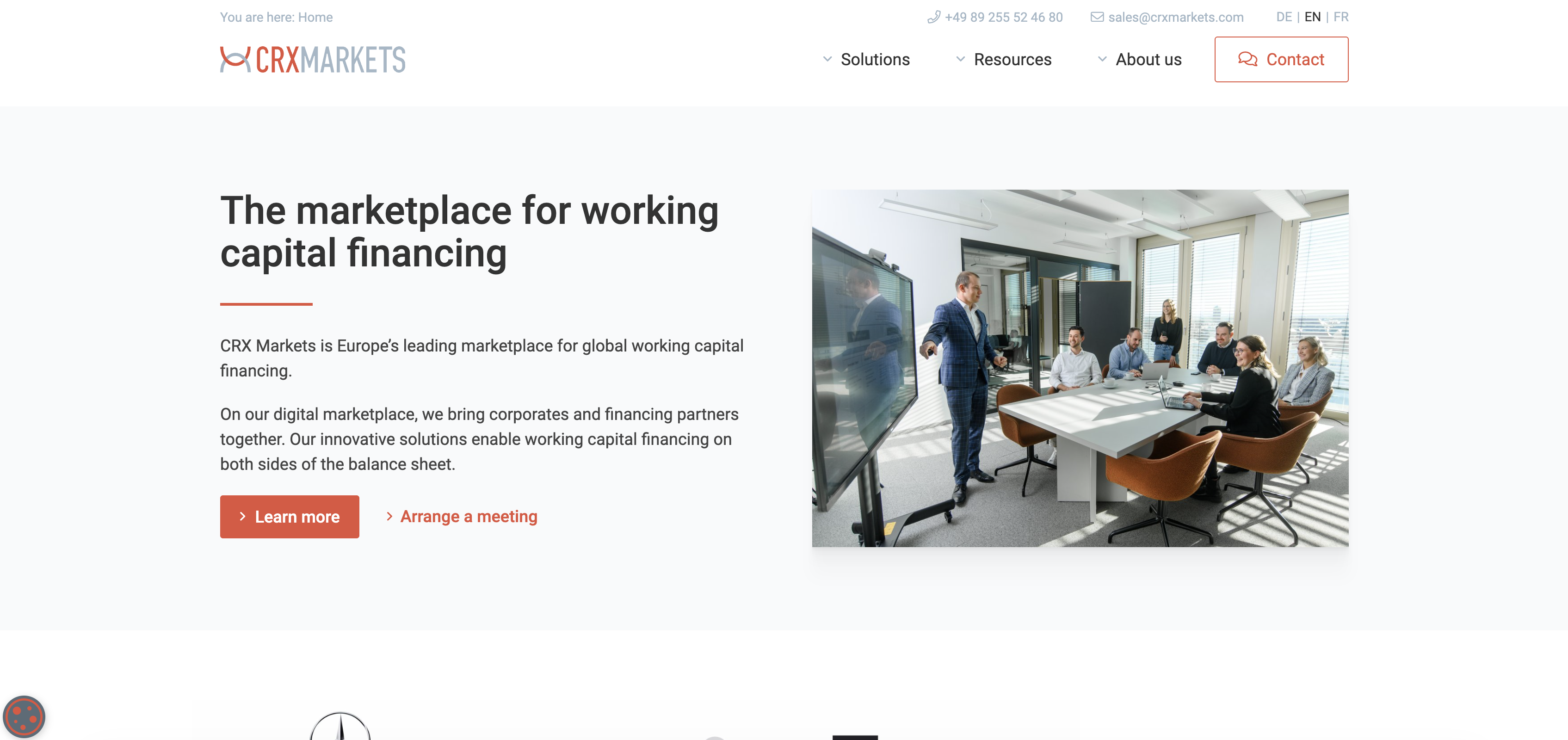
CRX Markets operates in the murky territory between traditional finance and crypto, building infrastructure for regulated digital asset trading. The London-based platform serves institutional players who need the guardrails of compliance alongside the speed and transparency that blockchain-native markets promise. Rather than choosing between TradFi rigor and crypto innovation, CRX sits in the middle—offering a regulated venue for tokenized assets and digital securities that feels more like a regulated exchange than a crypto casino. The firm works with brokers, asset managers, and custodians who want exposure to digital assets but can't afford the regulatory ambiguity. What sets CRX apart is its focus on institutional-grade infrastructure: proper settlement, custody integration, and regulatory transparency. While most crypto platforms chase retail volume and headline-grabbing token launches, CRX is quietly building the plumbing that makes institutional participation in digital markets actually viable. It's the kind of infrastructure play that doesn't get flashy media coverage but matters enormously for the evolution of finance. In a landscape where most platforms are either fully traditional or fully crypto, CRX represents the emerging middle ground where serious institutions are beginning to operate.
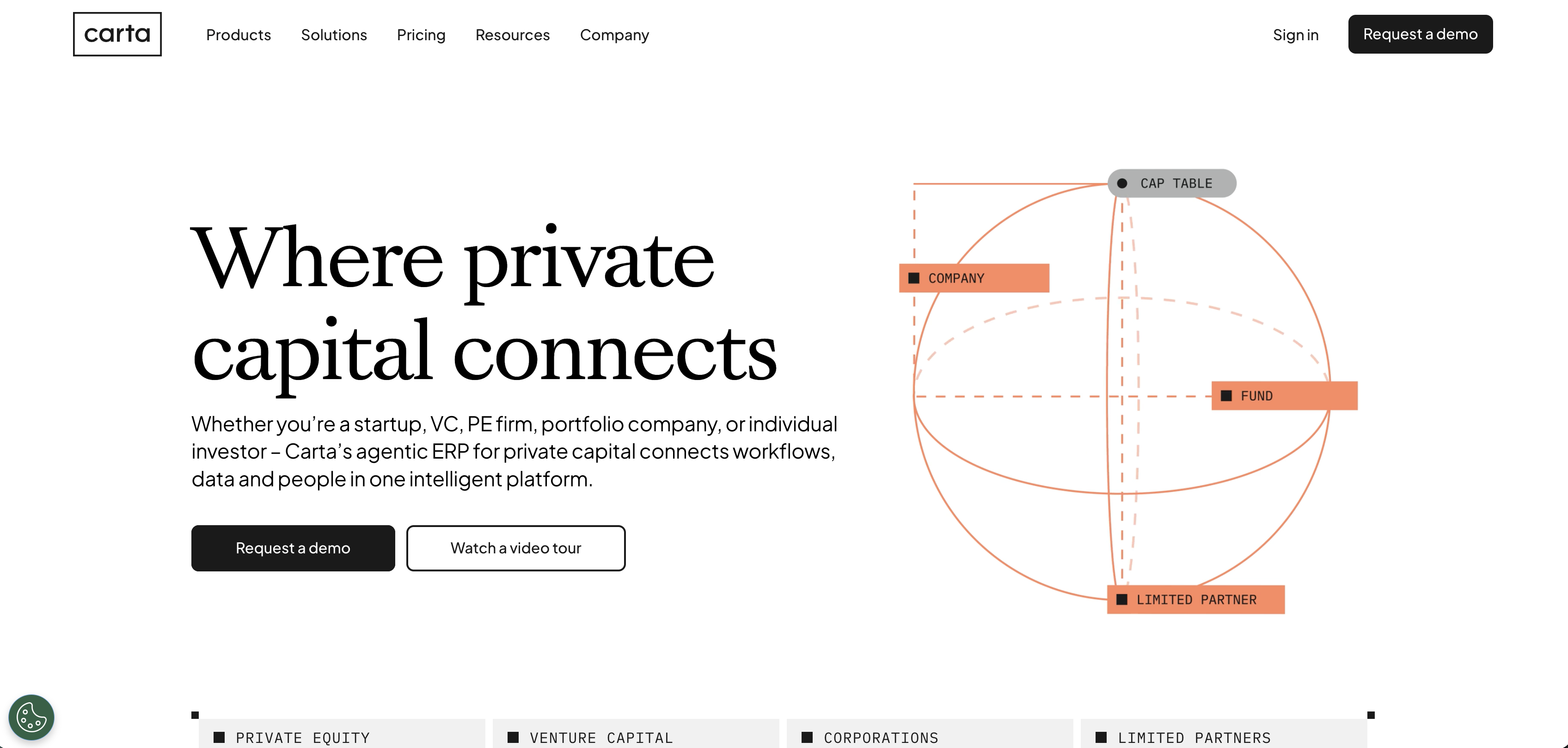
Equity management for private companies has historically been a mess of spreadsheets, lawyer markup, and reconciliation errors that compound silently until a fundraising round forces everyone to discover that the cap table reality differs from the cap table on file. Capdesk was founded in Copenhagen and grew up in London from 2015, building equity management software for private companies — a single source of truth for share allocations, option grants, vesting schedules, and shareholder communications. The product targets the gap between an Excel spreadsheet and a full-blown share registry: too small for the latter, too important to entrust to the former. Capdesk has built a strong client base across UK and European startups and scaleups, becoming one of the more trusted equity management platforms in Europe. The company was acquired by US-based Carta in 2023, consolidating the European equity management market under the umbrella of one of its largest global players. The acquisition reflects a broader pattern in private market infrastructure — the platforms that manage equity, fundraising, and investor relations are consolidating around a small number of comprehensive solutions. For European companies that built on Capdesk, the Carta acquisition brings them into a global platform with broader functionality at the cost of the local independence that some clients valued.
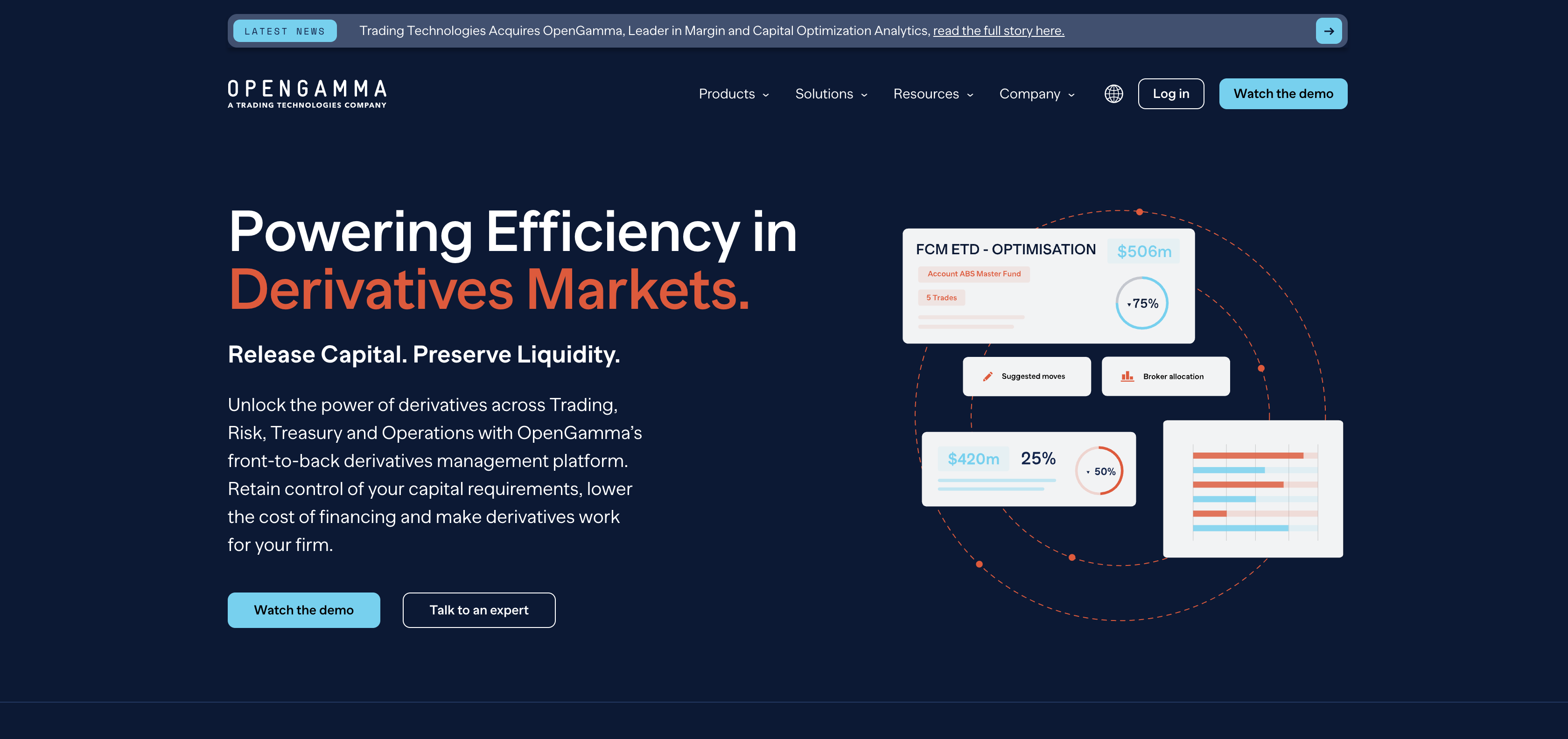
OpenGamma builds the computational backbone for how financial institutions price, value, and manage complex derivatives and fixed-income securities. In a world where legacy risk systems still demand custom Excel spreadsheets and manual reconciliation, OpenGamma delivers cloud-native valuation and risk analytics that run at scale—processing millions of trades in real time without the infrastructure headaches. The platform combines market data ingestion, advanced pricing models, and scenario analysis into a single integrated stack. Banks and asset managers use it to replace fragmented point solutions, cut operational risk, and accelerate the pace at which they can launch new products. Think of it as the plumbing beneath modern capital markets trading desks: invisible, but critical. OpenGamma's strength lies in its technical depth. The company targets sophisticated buy-side and sell-side institutions that need institutional-grade accuracy and auditability—not merely dashboards for non-experts. It competes against entrenched in-house systems and specialized vendors by offering flexibility and speed of deployment that rivals neither legacy providers nor lightweight startups can match. In Europe's push toward regulatory standardization and operational resilience, OpenGamma has positioned itself as infrastructure for the next generation of risk management, where transparency, speed, and compliance are no longer separate concerns but engineered into the same platform.