DatabaseServicesArticlesGlossaryNewsletterRequest listing
← Glossary

What is Lending?

Lending fintech has rebuilt the mechanics of borrowing — faster credit decisions, more data sources for underwriting, better designed products, and distribution through digital channels rather than branch networks. The category spans consumer lending (personal loans, overdrafts, credit cards, mortgages) and business lending (working capital, invoice financing, revenue-based finance). Traditional lending depended on credit bureau data, physical documentation, and manual underwriting that could take days or weeks. Fintech lenders have replaced parts of this with automated decisioning, alternative data sources — transaction history, accounting data, open banking feeds — and processes that can approve and disburse a loan in hours.

Subcategories
SME lending
Credit scoring
Consumer lending
Consumer lending fintech provides personal loans, credit lines, overdrafts, and instalment products to individuals with faster decisions, better user experiences, and more transparent pricing than traditional banks. Digital lenders underwrite more accurately using richer data, serving segments that incumbent banks often decline.
Peer-to-peer lending
Peer-to-peer lending platforms match investors directly with borrowers, bypassing banks as financial intermediaries. The European P2P market has consolidated around a smaller number of more institutionally funded platforms following regulatory tightening and market stress during economic downturns.
Invoice financing
Invoice financing allows businesses to receive early payment on outstanding invoices rather than waiting for customers to pay. A fintech lender advances 80-90% of the invoice value immediately — providing working capital without taking on traditional debt.
European Lending companies in our database

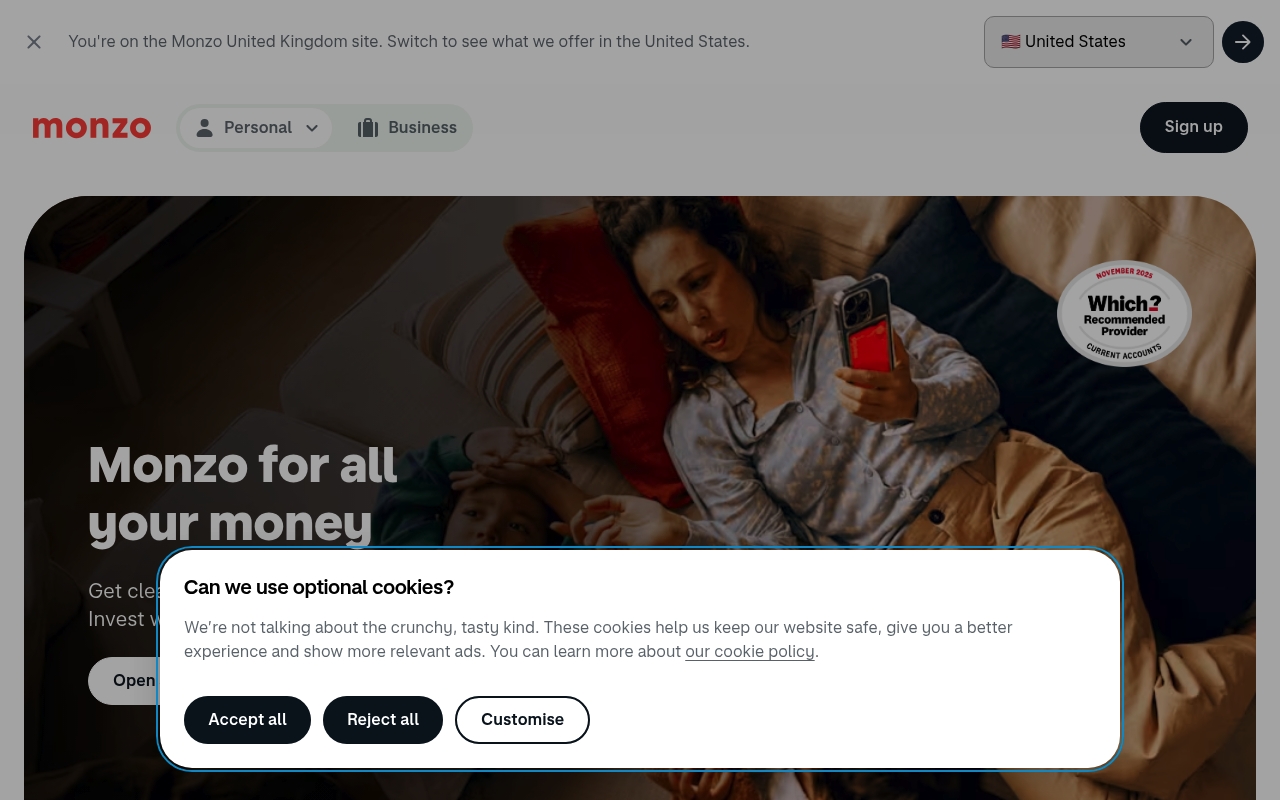
Monzo
Monzo🇬🇧
Est. 2015

The founding team that built Monzo had all worked together before — at Starling Bank, another challenger bank startup that didn't survive its internal conflicts. Tom Blomfield, Gary Dolman, Jonas Huckestein, Jason Bates, and Paul Rippon left Starling together in 2015 and started again. The product they built was initially a prepaid card — a coral-coloured piece of plastic that became one of the most recognisable objects in British fintech — before becoming a fully licensed current account in 2017. The early user community was unusual for a bank. Monzo ran community forums, published public blog posts about its engineering decisions, and invited customers into beta programmes for new features. When it broke the world record for the fastest crowdfunding raise in 2016 — £1 million in 96 seconds — it wasn't just raising money; it was building an identity. People felt ownership of the product in a way that no high street bank had ever managed to create. That emotional connection became a genuine competitive advantage. The product has matured considerably since then. Monzo now offers current accounts, joint accounts, savings pots, personal loans, overdrafts, and investment products, all wrapped in the real-time notification experience and transaction categorisation that made its early reputation. Revenue reached £1.23 billion in 2024, up 40% year on year, with net income of £95 million — the second consecutive year of profitability after years of growth-first losses. The customer base reached 12.1 million by end of 2024, making Monzo the UK's largest digital bank by customer count. Customer deposits stood at £16.6 billion. The business is still private — the much-discussed IPO has not yet happened, and internal disagreements about where to list (the former CEO TS Anil favoured the US, the board preferred London) contributed to Anil's departure in October 2025. Diana Layfield took over as CEO with a mandate focused on international expansion before any public listing. The company is valued at approximately $5.9 billion following a 2024 secondary sale backed by Alphabet's GIC and StepStone. In December 2025 Monzo announced it had agreed to acquire Habito, the digital mortgage broker, pending regulatory approval — a move that extends the product into one of the last major financial products it didn't yet offer. With 3,821 employees and a loan book growing rapidly, Monzo has evolved from a prepaid card experiment into a bank with genuine scale and a growing claim on being the primary financial account for a generation of UK consumers.

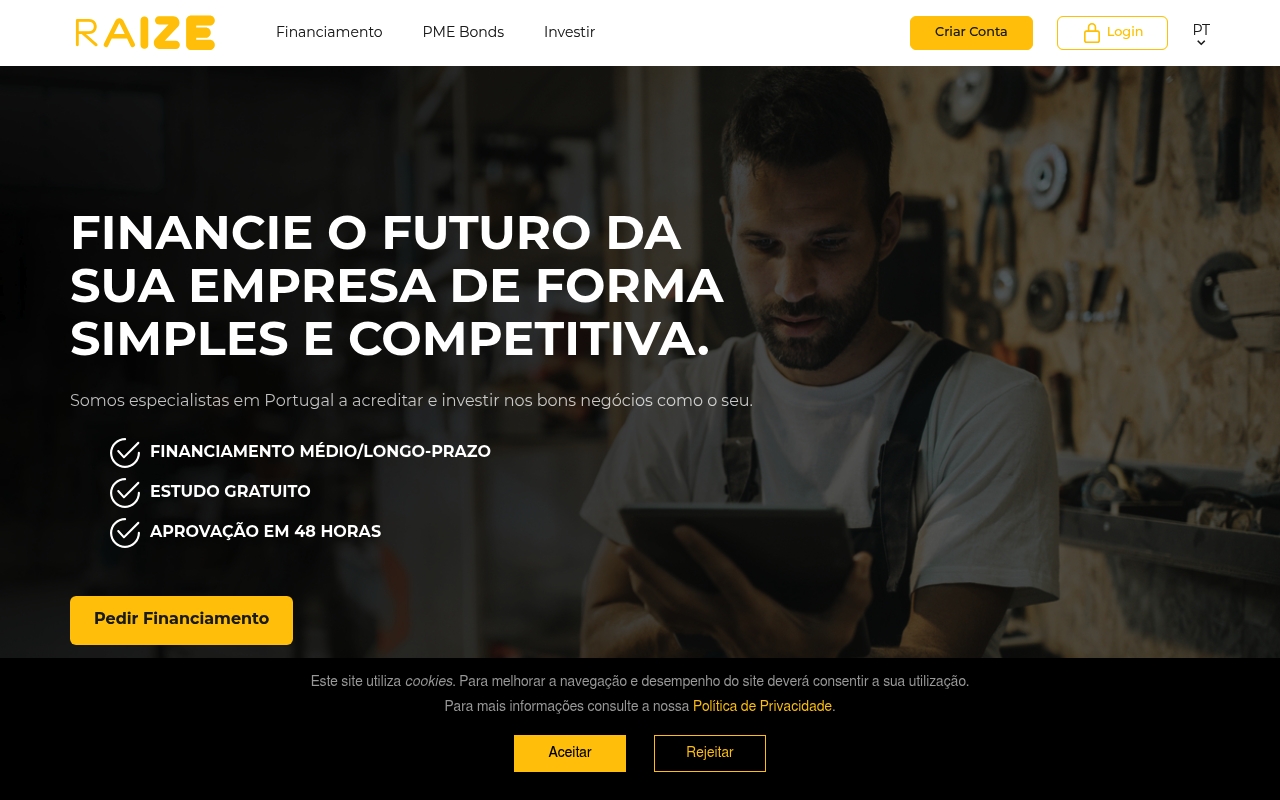
Raize
Raize🇵🇹
Est. 2014

Raize operates an online lending and investment platform for Portuguese SMEs.

Tandem Bank
Tandem Bank🇬🇧

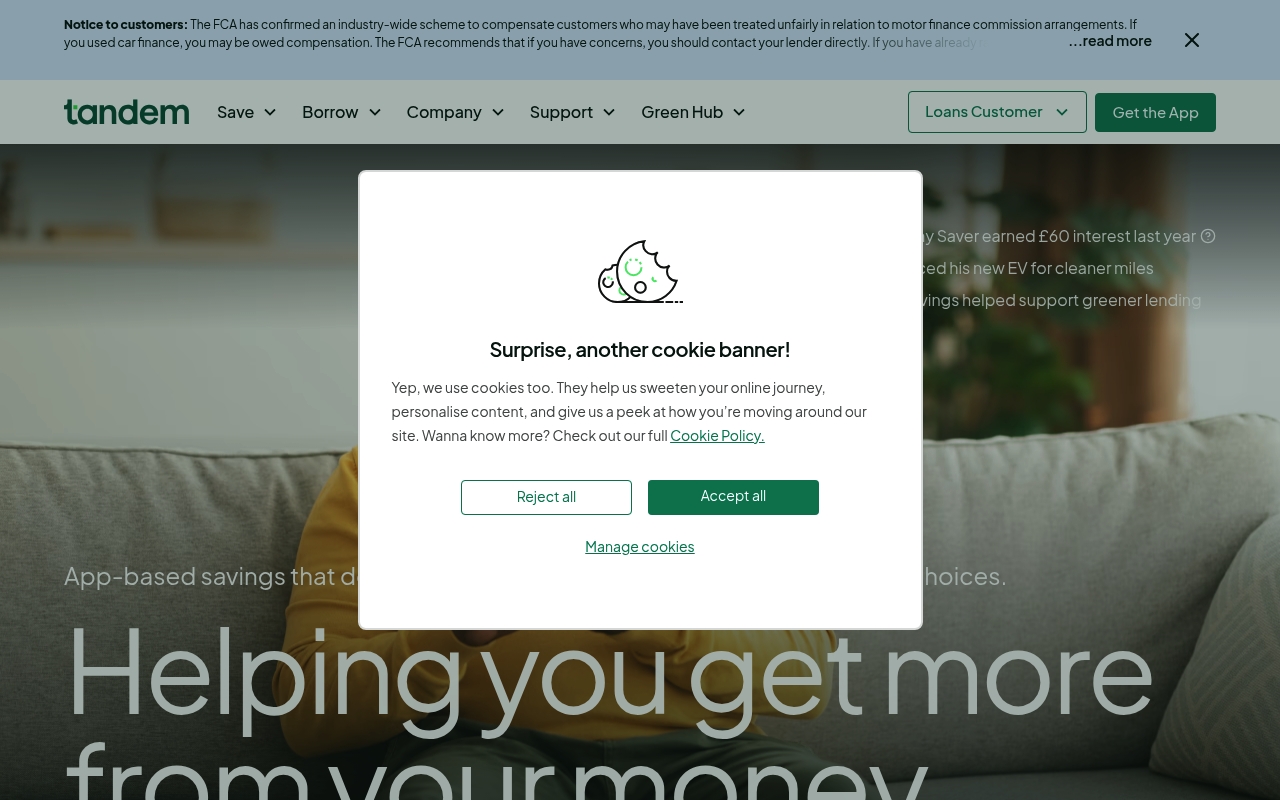
Tandem Bank provides savings, loans, and green home finance products in the UK.

Lendable
Lendable🇬🇧
Est. 2013

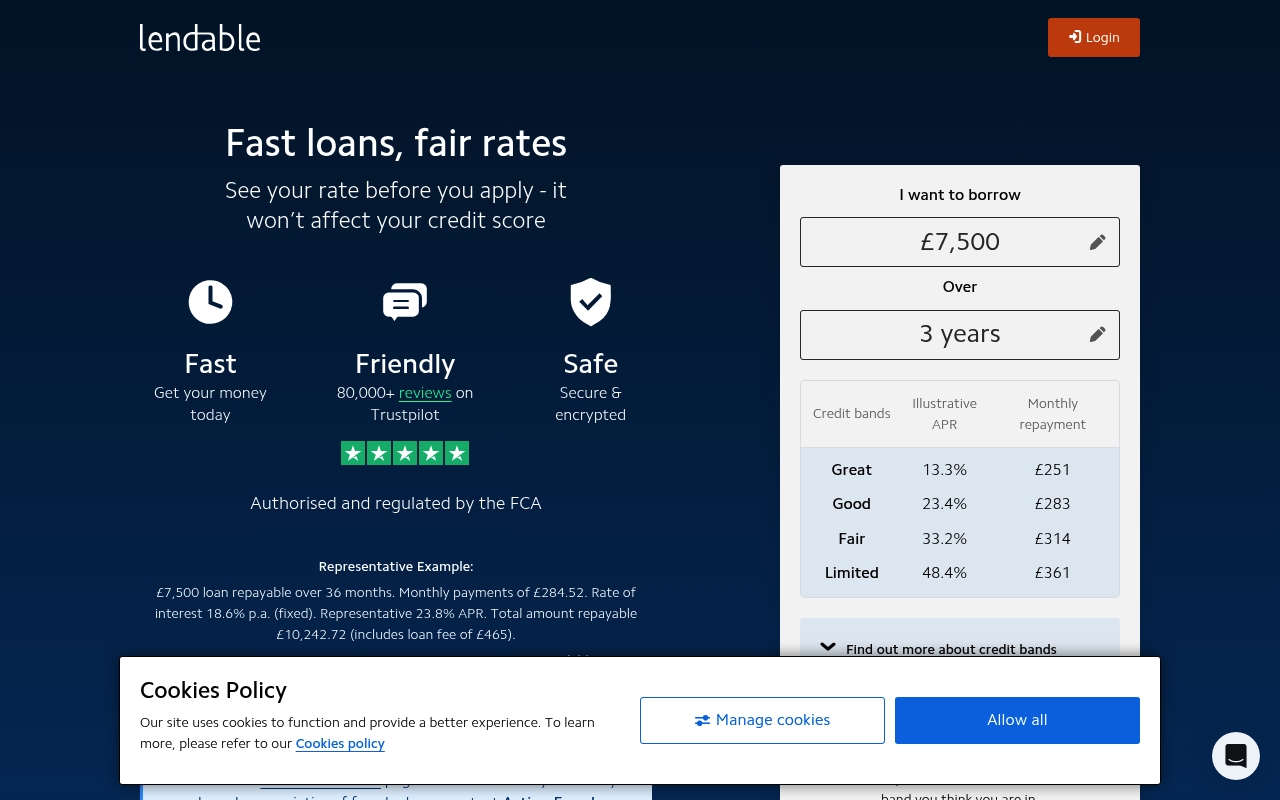
Lendable sits at the intersection of institutional finance and algorithmic credit. It's a platform that connects alternative lenders—think peer-to-peer platforms, fintechs, and non-bank lenders—with institutional capital markets. Rather than originating loans itself, Lendable acts as a market infrastructure layer, securitizing consumer and SME loan portfolios and selling them to institutional investors hungry for yield in an era of low rates. The company essentially democratized access to capital markets for non-traditional lenders. Before Lendable, a mid-sized P2P lender or online SME lender couldn't easily tap into the deep-pocketed institutional buyers that banks routinely access. Lendable changed that by building the plumbing—origination APIs, portfolio management tools, and securitization infrastructure—that lets alternative lenders scale without warehousing risk on their own balance sheets. In the European fintech landscape, Lendable represents a specific but growing category: the infrastructure play that enables other fintechs to thrive. It's not a consumer app; it's the backbone that lets consumer-facing lenders actually fund their ambitions. The platform has processed billions in loan assets and works with some of Europe's most recognizable fintech names. Lendable's role in the broader ecosystem is that of a bridge—connecting the new world of distributed lending with the old world of institutional capital. It's quietly important infrastructure, the kind of thing that doesn't grab headlines but fundamentally reshapes how credit flows.

Funding Circle
Funding Circle🇬🇧
Est. 2010

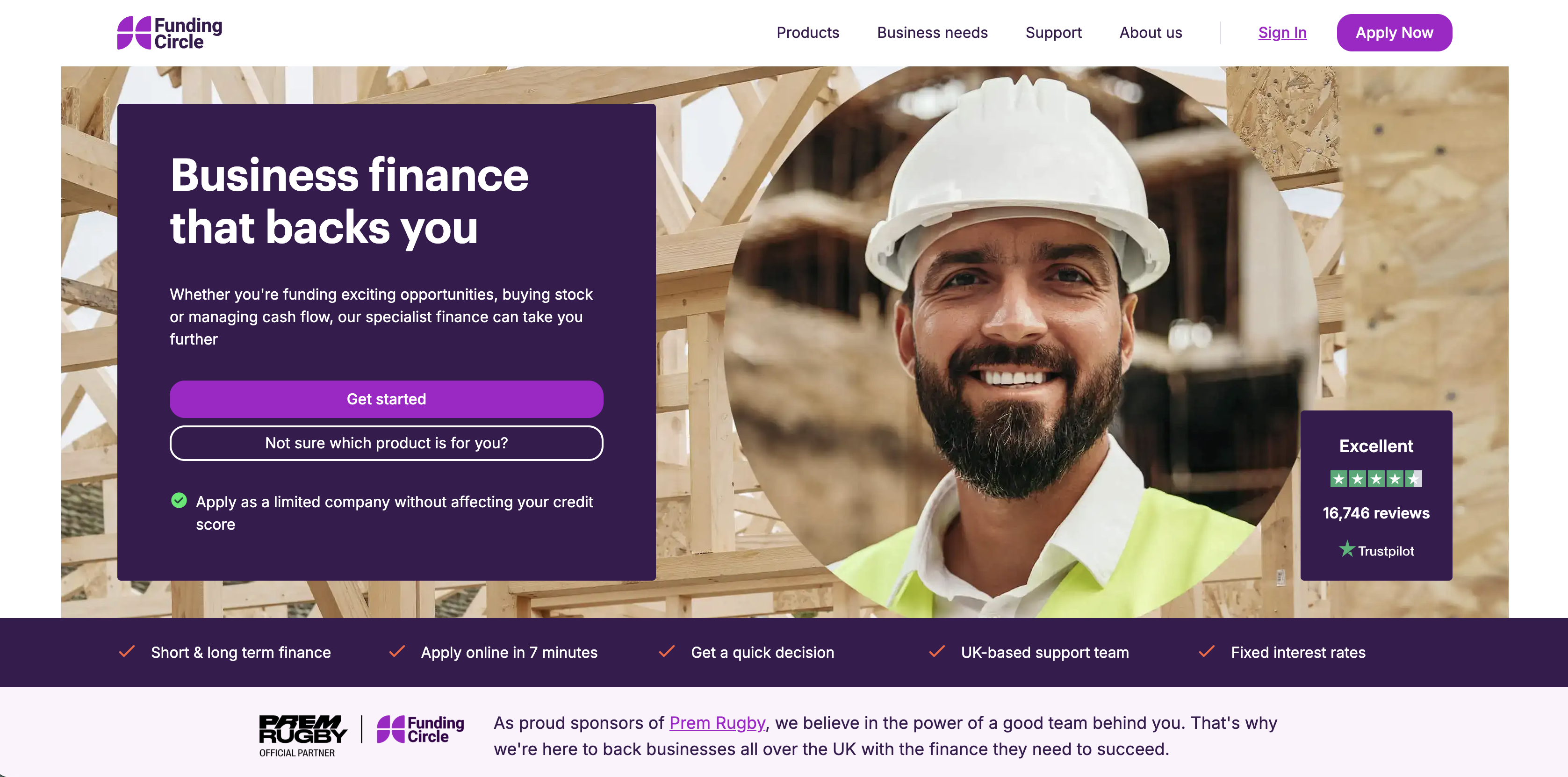
Funding Circle sits at the intersection of institutional capital and small business ambition. The platform connects SMEs with investors—funds, banks, and individuals—who want returns tied to real economic activity rather than abstract asset classes. It's fundamentally a marketplace, but one that's spent years learning how to assess credit risk at scale, price loans competitively, and move money across borders without the friction traditional finance demands. The company operates across multiple geographies, though Europe remains central to its strategy. It handles everything from loan origination and underwriting through to servicing and portfolio management, meaning it's built real infrastructure rather than just matching borrowers to lenders. This matters because it allows institutional investors to actually understand what they're funding. Funding Circle competes in a space where traditional banks have historically been absent—the mid-market lending gap where a £50,000 loan isn't big enough for a relationship manager but too important for a business to ignore. Alternative lenders have crowded this space, but Funding Circle's institutional backing and regulatory maturity give it a structural advantage. It's moved from pure peer-to-peer model toward a more hybrid approach, partnering with regulated lenders to expand reach while maintaining its marketplace credibility. The company represents a fundamental rethinking of how capital reaches productive SMEs—not through gatekeepers, but through platforms that make risk transparent and pricing efficient.

Kontomatik
Kontomatik🇵🇱
Est. 2009

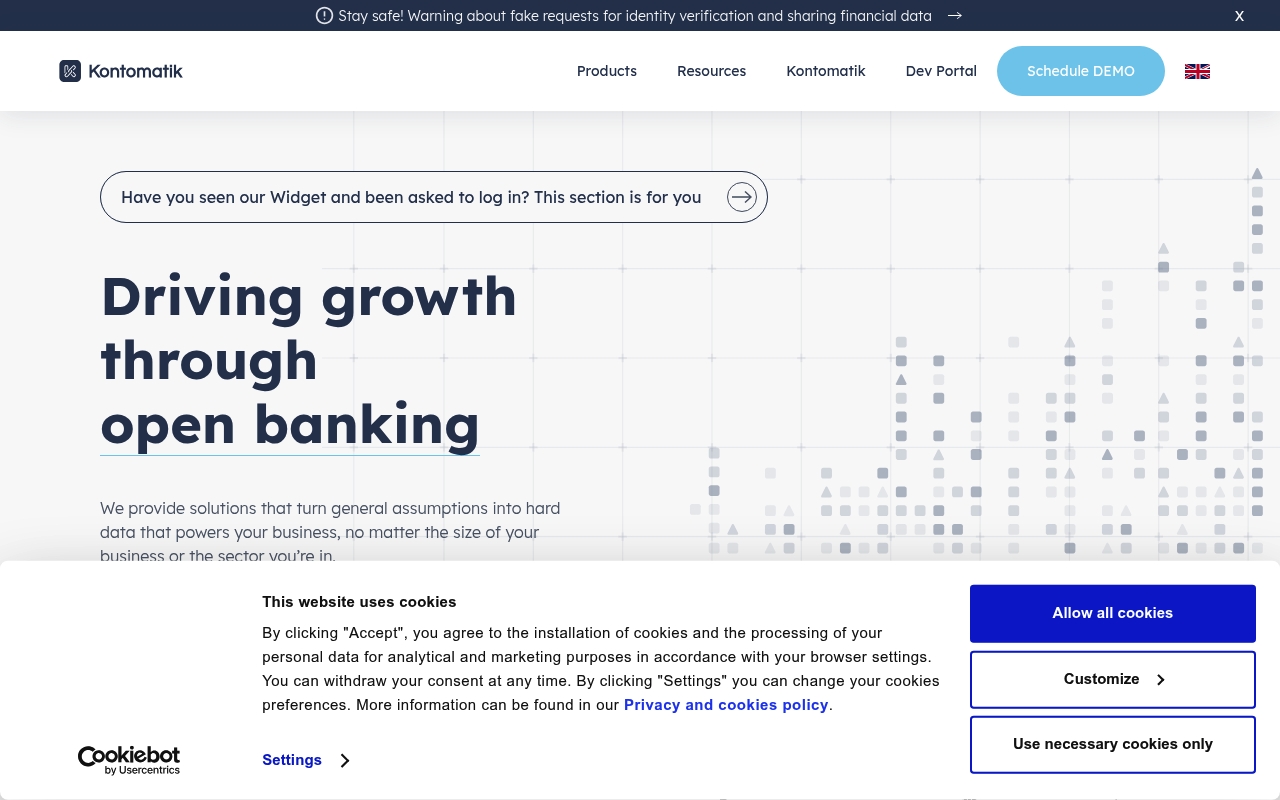
Kontomatik provides open banking data and credit decisioning tools.

View all 93 Lending companies →