← Back to Chip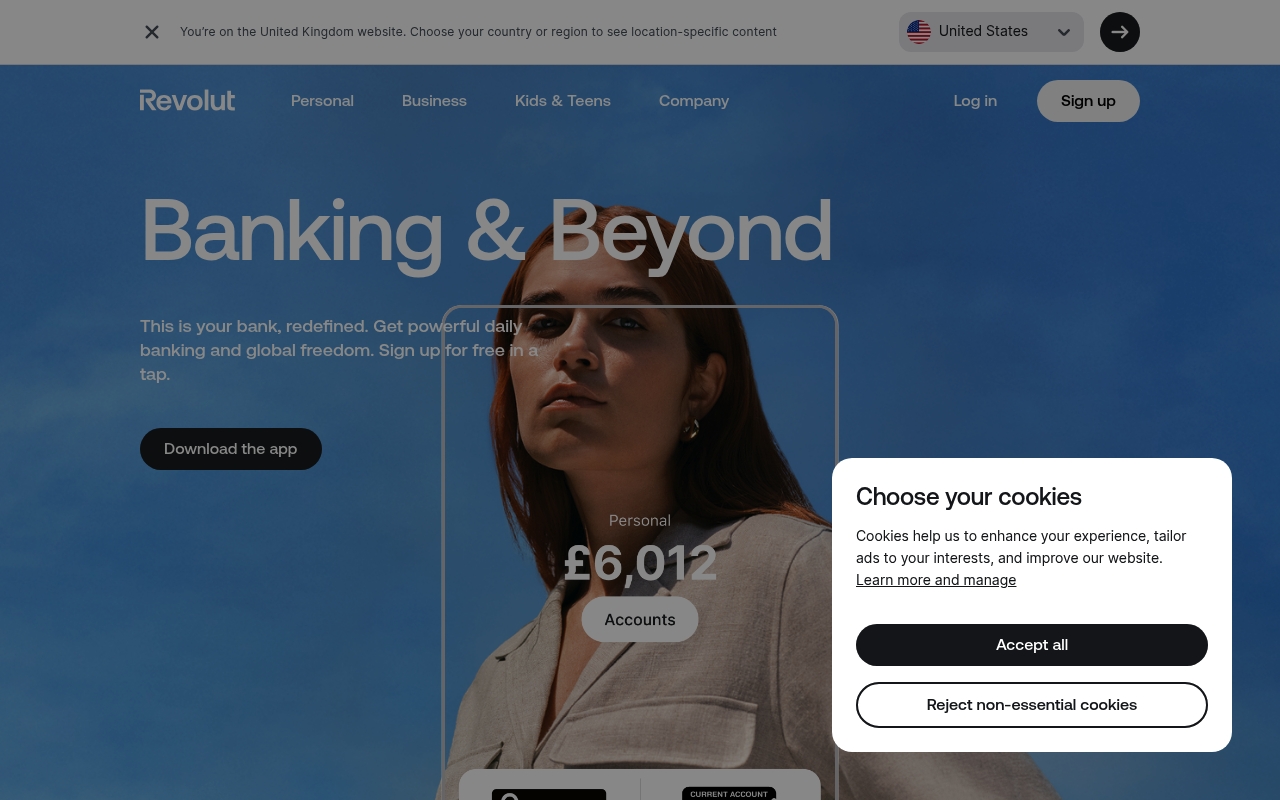
Alternatives
Alternatives to Chip
Explore 12 European fintech companies similar to Chip — operating in Digital Banking and Personal Finance.
12 alternatives to Chip
Sorted by similarity and popularityRevolut
WealthPaymentsDigital BankingPersonal Finance
🇱🇹 Lithuania
Nik Storonsky was born in Dolgoprudny, Russia, and moved to London in 2006 to work as an equity derivatives trader, first at Lehman Brothers and later at Credit Suisse. Vlad Yatsenko was a software engineer who'd spent years building financial systems. In 2015 they sat down and asked a question that should have occurred to banks years earlier: why does spending money abroad still cost so much?
The answer they built was Revolut — initially a prepaid card with no foreign exchange fees, then a multi-currency account, then a trading platform, then an insurance product, then a business banking offering, then something that's increasingly hard to describe as anything other than a full financial operating system. Revolut didn't unbundle banking so much as rebuild it from scratch for people who found the existing version frustrating and expensive.
The numbers now are genuinely striking for a company that started with two people and a card. Revenue reached £4.5 billion in 2025, up 46% year on year, with pre-tax profit rising 57% to £1.7 billion. The customer base has passed 75 million retail users, plus 767,000 businesses. The company employs more than 12,000 people and operates in more than 40 markets. In July 2026, a secondary share sale valued Revolut at $115 billion — up from $75 billion just eight months earlier, and more than the market capitalisation of Barclays. It remains Europe's most valuable private technology company by a wide margin.
The milestone that mattered most arrived in March 2026: a full UK banking licence from the Prudential Regulation Authority, ending a five-year application process that had become one of the most-watched regulatory sagas in European fintech. The licence means Revolut can now protect UK deposits up to £120,000, offer authorised consumer credit, and compete directly with high street banks for mortgage and lending business. It's the piece that transforms Revolut from a very successful payments app into a regulated bank.
The global licensing map is filling in quickly, with one persistent gap. In July 2026 Revolut became the first global fintech granted a full Australian Deposit-taking Institution licence by APRA — a regulator whose capital requirements have defeated several domestic neobanks — and launched Revolut Bank Australia. In August it secured a French banking licence, a significant step given that France is its largest European market outside the UK and that holding a local licence rather than passporting from Lithuania changes how it can compete there on lending and deposits. It has also opened its first bank outside Europe, in Mexico. The exception is the United States, where a banking charter application filed in 2024 remains pending — in a period when the OCC has rejected applications from both Wise and bunq.
Around the licences, the product keeps widening past banking: private markets access for European retail customers through funds from Apollo, Ares and Partners Group; a partnership with OpenAI bringing ChatGPT Go to premium tiers; eSIM data plans; and an airport lounge network starting in Copenhagen. The original thesis — that banking could be cheaper, faster, and simpler — hasn't changed. What has changed is that Revolut is no longer only selling banking.
Founded 2015
View profile →
Monzo
WealthDigital BankingLendingPersonal Finance
🇬🇧 United Kingdom
The founding team that built Monzo had all worked together before — at Starling Bank, another challenger startup that didn't survive its internal conflicts. Tom Blomfield, Gary Dolman, Jonas Huckestein, Jason Bates, and Paul Rippon left together in 2015 and started again. The product was initially a prepaid card — a coral-coloured piece of plastic that became one of the most recognisable objects in British fintech — before becoming a fully licensed current account in 2017. The early community was unusual for a bank: public engineering blogs, user forums, beta programmes, and a 2016 crowdfunding round that raised £1 million in 96 seconds, a world record. People felt ownership of the product in a way no high street bank had ever achieved, and that emotional connection became a durable competitive advantage.
A decade on, the results have caught up with the mythology. For the year to March 2026, Monzo reported revenue of £1.71 billion, up 39%, with gross profit crossing £1 billion for the first time and a third consecutive year in the black — statutory pre-tax profit of £87.3 million, up 44%, or £172.6 million adjusted for restructuring charges and a roughly £21 million FCA fine over historical financial-crime control failings. The bank added a record three million customers to reach 15.2 million — one in five UK adults — with deposits up 55% to £25.7 billion, 1.6 million paying subscribers, and business banking growing 45% to 905,000 customers and 14% of revenue. Four separate income streams — current account balances, borrowing, payments, and wealth — each now clear £300 million. Half of active customers use Monzo as their primary bank, which shows up in the metric that anchors every valuation conversation: revenue per active personal customer of £167, against Revolut's £66. The gap is the difference between being someone's bank and being their travel card.
Leadership and strategy both turned over during the year. Diana Layfield, a former Google executive, took over as CEO in February 2026 following TS Anil's departure — a transition shaped in part by board tensions over IPO venue and the company's UK concentration. Her first significant moves were decisive: Monzo closed its US operations entirely, and redirected the international ambition at Europe, where it secured a banking licence from the Central Bank of Ireland, launched in Ireland to a 100,000-person waitlist, and named Spain as the next market. The acquisition of digital mortgage broker Habito completed on 1 April 2026, giving the bank a capital-efficient route into mortgages — a product more than 550,000 customers were already tracking in the app. Costs rose with the ambition: the cost-to-income ratio ticked up to 74% as hiring and marketing accelerated.
Monzo remains private, valued at approximately $5.9 billion in its 2024 secondary sale, and Layfield has told the FT she is "not in a hurry" to list. The strategic bet of this chapter is clear and genuinely contestable: that Monzo's deep-relationship, primary-bank model — expensive to build, lucrative per customer — can be exported to European markets where Revolut arrived a decade earlier with the opposite playbook. The UK numbers say the model works. Europe will say whether it travels.
Founded 2015
View profile →
Starling Bank
Digital BankingSME FinancePersonal Finance
🇬🇧 United Kingdom
Starling is a UK digital bank offering personal and business current accounts entirely through a mobile app, with no branches. Founded in January 2014 by Anne Boden, a former Allied Irish Banks COO, it secured a full UK banking licence in 2016 — a distinction that matters more than it sounds. Unlike neobanks that operate on a partner institution's licence, Starling is a bank in its own right, regulated by the FCA and PRA, with deposits FSCS-protected.
It also built its own core banking technology rather than licensing someone else's, and that decision turned out to have a second act. Engine by Starling packages that technology as software-as-a-service and sells it to other banks: Salt Bank in Romania and AMP Bank in Australia were the first clients live on the platform, and Starling is now pushing Engine into North America and the Middle East, targeting what CEO Raman Bhatia has called a £100 billion addressable market. For a bank whose retail footprint stops at the UK border, Engine is the international growth story — and the reason Starling turns up in Banking-as-a-Service conversations as often as digital banking ones.
The core bank remains strong but is no longer on a simple upward curve. Starling reported its fifth consecutive profitable year in 2026, with pre-tax profit of roughly £217 million on £887 million of revenue, serving around 3.5 million personal and business customers, and it has been named Which? Banking Brand of the Year three years running. But that result marked a second straight annual decline, after a 26% profit drop the year before, driven by provisions for pandemic-era Bounce Back Loan issues and a regulatory penalty.
That penalty is the part most profiles leave out. In October 2024 the FCA fined Starling £29 million over anti-money laundering and sanctions screening failures, finding the bank had opened more than 54,000 accounts for high-risk customers in breach of an agreed restriction, and that its screening system had been checking customers against only a fraction of the UK sanctions list since 2017. Starling accepted the findings, apologised, and has invested heavily in remediation — but the episode illustrates the defining challenge of the challenger-bank model: compliance infrastructure that struggles to keep pace with customer growth.
Anne Boden stepped down as CEO in 2023 and left the board in 2024. Raman Bhatia, formerly CEO of OVO and head of HSBC's UK and European digital bank, took over in 2024 and has spent his tenure working through the legacy issues while repositioning the company's growth story around Engine. The bank dropped "Bank" from its name in a September 2025 rebrand.
Founded 2014
View profile →
Pockit
Digital BankingPersonal Finance
🇬🇧 United Kingdom
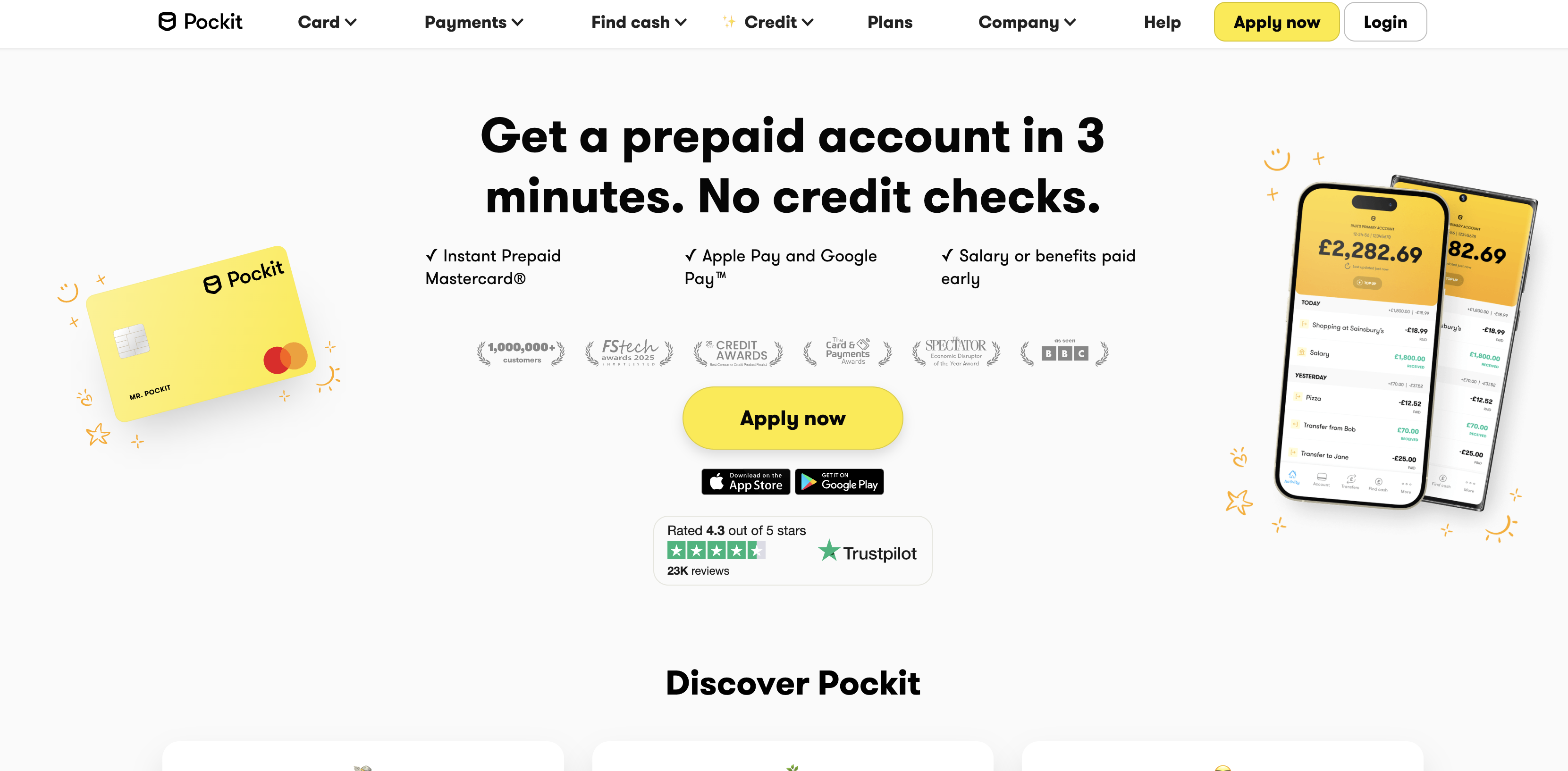
Every UK neobank claims to serve people the banks ignore. Pockit actually built its business there. Founded by Virraj Jatania in 2014 as a prepaid card, it grew into a digital account for the roughly 17.5 million UK adults underserved by mainstream banking — people with thin credit files, irregular incomes, or histories that fail high-street onboarding. The product set follows the customer: a simple account and card, cross-border transfers, early wage access, credit building, and cashback — priced as a utility rather than a lifestyle brand. It is the unfashionable end of consumer fintech, and Pockit's bet has always been that unfashionable segments are where loyalty and margins survive, precisely because nobody else is competing for them. The company also carries a scar that shaped it: in 2020, when the FCA froze Wirecard Card Solutions during the Wirecard collapse, Pockit customers were locked out of their money for days — a formative lesson in the risks of renting critical infrastructure.
The transformational move came in October 2024, when Pockit acquired Monese — the pan-European money app founded by Estonian entrepreneur Norris Koppel in 2015 — for a reported £15 million. The price is the story: Monese had raised more than $200 million from investors including HSBC, Kinnevik, and PayPal, and HSBC had already written its stake down to zero. What was a wipeout for Monese's cap table was a coup for Pockit's: the combined group serves roughly three million customers, generates around £30 million in annual revenue, and processes about £5 billion in transactions a year. Just as valuable, Monese brought e-money and consumer credit licences that cut Pockit's transaction costs and open the path to lending products for a customer base otherwise pushed toward high-cost credit — the loan-shark alternative Jatania cites as the mission's sharpest edge. Monese's B2B platform, XYB, was excluded from the deal.
Pockit is backed by Puma Growth Partners and Maven Capital, with a cap table that includes Sir Alex Ferguson, private equity veteran Jon Moulton, and the UK's Future Fund; it raised £10 million in growth funding in 2024 ahead of the acquisition. The integration has been real — headcount stands around 52 after consolidation, against the 100 Monese staff who joined at completion. Jatania's public thesis is that UK fintech is entering a consolidation phase, and Pockit is the proof-of-concept: while Monzo and Revolut fight for the mass market at nine-figure marketing budgets, Pockit is quietly rolling up the segment beneath them — buying at distressed prices the customers that cost its rivals £50 a head to acquire. Whether a low-margin customer base can support a lending business profitably is the open question; the licences to find out are now in hand.
Founded 2015
View profile →
BUUT
Digital BankingPersonal Finance
🇳🇱 Netherlands
BUUT is part of a new wave of European neobanks rethinking what everyday banking should feel like—this time with a specific audience in mind: young users aged 10 to 16. Instead of overwhelming first-time users with complex features, it leans into simplicity, guidance, and a smoother introduction to managing money.
At its core, BUUT is designed to make financial habits easy to build early on. The app focuses on clean design, intuitive navigation, and a user experience that feels natural from the start. Spending, saving, and tracking money are presented in a way that’s easy to understand—less like dealing with a bank, and more like using a well-designed everyday app.
There’s also a shift in tone compared to traditional banking. BUUT speaks to a younger audience without talking down to them. It removes the friction and confusion that often come with financial tools, replacing it with clarity and a sense of control. The aim isn’t to teach finance through complexity, but to make good habits feel almost automatic.
What sets BUUT apart is its restraint. While many fintech apps compete to become all-in-one financial platforms, BUUT keeps things focused. It prioritizes usability and trust—especially important when users are just starting to interact with money on their own.
That makes it particularly relevant for a new generation growing up fully digital. BUUT fits naturally into their daily lives, offering a first step into financial independence without the intimidation factor.
In a crowded European fintech landscape, BUUT stands out by doing less, but doing it thoughtfully—helping younger users build confidence with money from the very beginning.
Founded 2025
View profile →
Ritmo
Digital BankingSME FinancePersonal Finance
🇪🇸 Spain
Ritmo is a neobank built specifically for the gig economy—the millions of freelancers, contractors, and self-employed workers across Europe who operate outside traditional employment structures. Instead of forcing gig workers into standard business banking products, Ritmo designed from the ground up to understand the rhythms of irregular income, multiple clients, and the administrative burden that comes with self-employment.
The platform combines a business checking account with invoicing, expense tracking, and tax preparation tools, removing the friction between earning money and managing it. You get real-time visibility into cash flow, automated categorization of business expenses, and direct integration with tax authorities—so when it's time to file, the data is already organized.
What sets Ritmo apart isn't just its feature set. Most fintech players either chase the consumer market or build enterprise solutions for corporations. Ritmo recognized a gap: gig workers are economically significant but underserved by both traditional banks and most neobanks. The company speaks their language, understands their cash flow volatility, and builds products that actually reflect how they work.
In the broader European fintech landscape, Ritmo represents a growing trend of vertical-specific banking platforms. Rather than being all things to all people, it's solving a precise problem for a rapidly growing demographic. For the gig worker tired of explaining variable income to a bank manager or juggling multiple apps, Ritmo is the kind of focused, no-nonsense solution that defines modern fintech at its best.
Founded 2021
View profile →
Vivid Money
WealthDigital BankingCrypto & BlockchainPersonal Finance
🇩🇪 Germany
Vivid Money is a Berlin-based fintech that collapsed the traditional distinction between banking, investing, and spending into a single mobile-first experience. Launched in 2020, it positioned itself as the European answer to all-in-one financial apps—a place where you could manage your checking account, invest in fractional shares and crypto, and pay with virtual cards, all without leaving the app.
The platform built its early reputation on speed and accessibility. Account opening took minutes rather than days. The investment side felt more like TradingView-for-consumers than stuffy wealth management. Virtual card creation was instantaneous, and the app's design sensibility leaned toward the minimalist and modern rather than corporate banking's beige aesthetic.
Vivid positioned itself against traditional banks' glacial pace and regulatory burden, while also differentiating from pure-play neobanks that didn't offer investing. It moved quickly to add crypto features when the market demanded them, and secured backing from tier-one investors who believed in the all-in-one thesis.
However, the company faced headwinds from regulatory tightening around crypto and the broader fintech funding winter. In late 2024, reports emerged of operational restructuring and potential insolvency, marking a sobering turn for what had been one of Europe's most closely watched fintech challengers. Vivid's arc—from breakthrough disruptor to distressed turnaround—reflects the volatility of the European fintech landscape and the challenge of building a diversified financial platform without institutional heritage or captive customer bases.
Founded 2020
View profile →
Avanza
WealthDigital BankingPersonal Finance
🇸🇪 Sweden
Avanza is Sweden's largest independent online brokerage, a no-frills investment platform that democratized stock trading for Swedish retail investors two decades ago. What started as a scrappy alternative to traditional banks has become the go-to app for millennials and Gen Z who want to trade, invest, and save without paying legacy banking fees. The platform strips away unnecessary complexity—no advisors, no jargon, just direct market access at transparent prices. Avanza operates in that interesting middle ground between a neobank and a pure trading platform. It offers savings accounts, pension accounts, and investment accounts with a sharp focus on user experience and low costs. The company has built a cultural following in Sweden, becoming almost synonymous with retail investing for a generation that views traditional brokers as relics. Beyond just equities and funds, Avanza has expanded into savings products, retirement planning, and financial education—positioning itself as a genuine financial companion rather than just a transaction layer. Its dominance in the Nordic market reflects a broader European shift toward direct-to-consumer investment platforms that compete on transparency, speed, and mobile-first design. Avanza exemplifies how fintech can win by doing one thing exceptionally well and then expanding thoughtfully into adjacent categories. The company's influence extends beyond Sweden into a broader shift in how younger Europeans think about investing: without gatekeepers, without unnecessary fees, and entirely on their own terms.
Founded 1999
View profile →
Indy
Digital BankingSME FinancePersonal Finance
🇫🇷 France
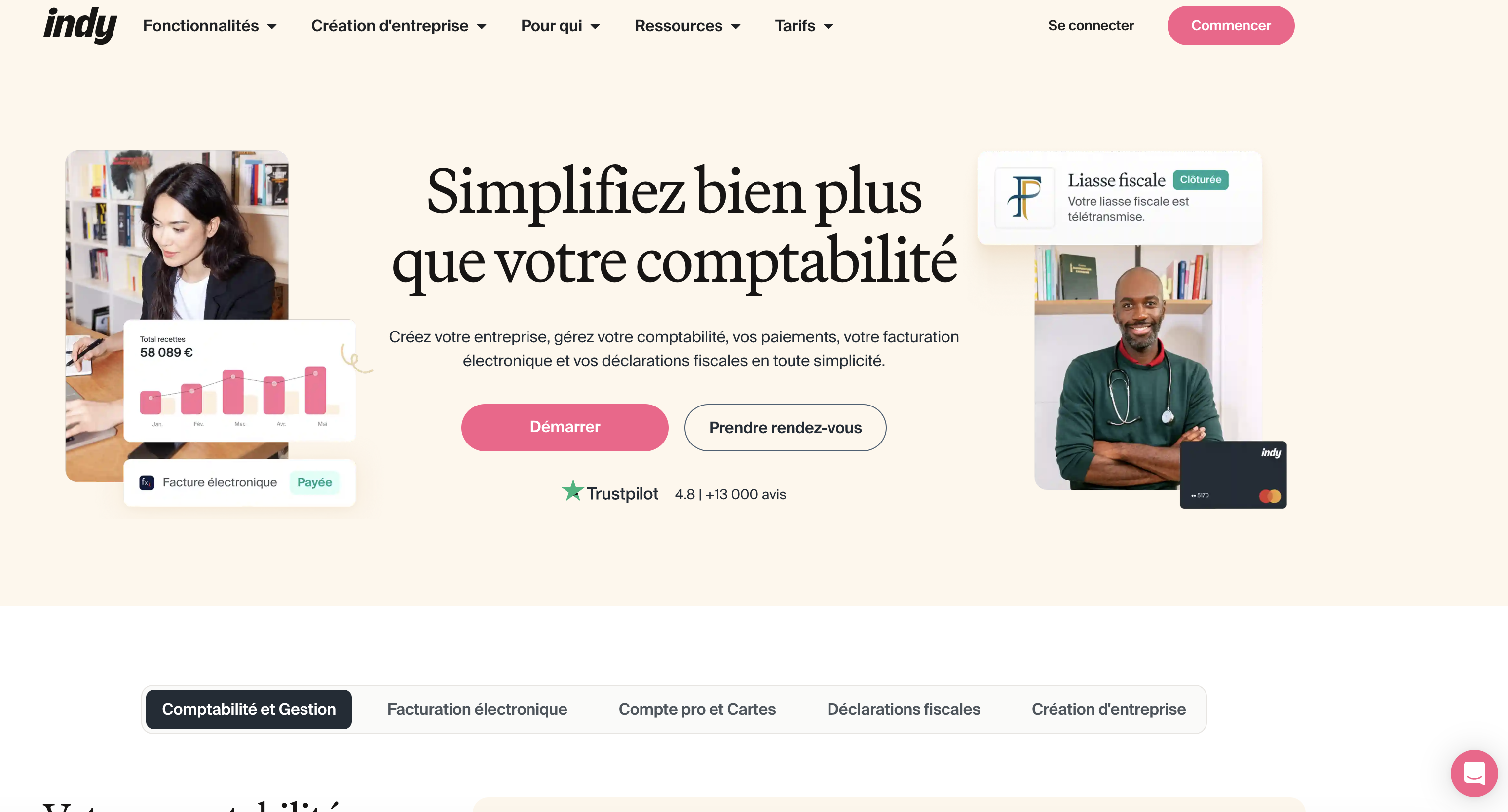
Indy is a French fintech built for freelancers and self-employed workers who are tired of juggling accounting software, invoicing tools, and bank dashboards across a dozen different apps. The platform consolidates business banking, invoicing, expense tracking, and tax compliance into a single workspace designed specifically for French independent professionals and micro-entrepreneurs.
Unlike traditional accounting software that feels built for accountants, Indy puts the solopreneur first—automating routine tasks like categorizing expenses and calculating quarterly tax estimates while keeping the interface clean and approachable.
The company has become a go-to solution across France for freelancers managing both the creative and administrative sides of their business, from photographers to consultants to digital agencies. It's one of Europe's clearest examples of how fintech can solve a specific, underserved market by building exactly what that market actually needs rather than trying to be everything to everyone. In a landscape crowded with generic SME finance platforms, Indy's laser focus on French self-employed workers—and their particular regulatory requirements and pain points—has established it as a cultural fixture in the French freelance community.
Founded 2014
View profile →
FinFrog
Digital BankingPersonal Finance
🇫🇷 France
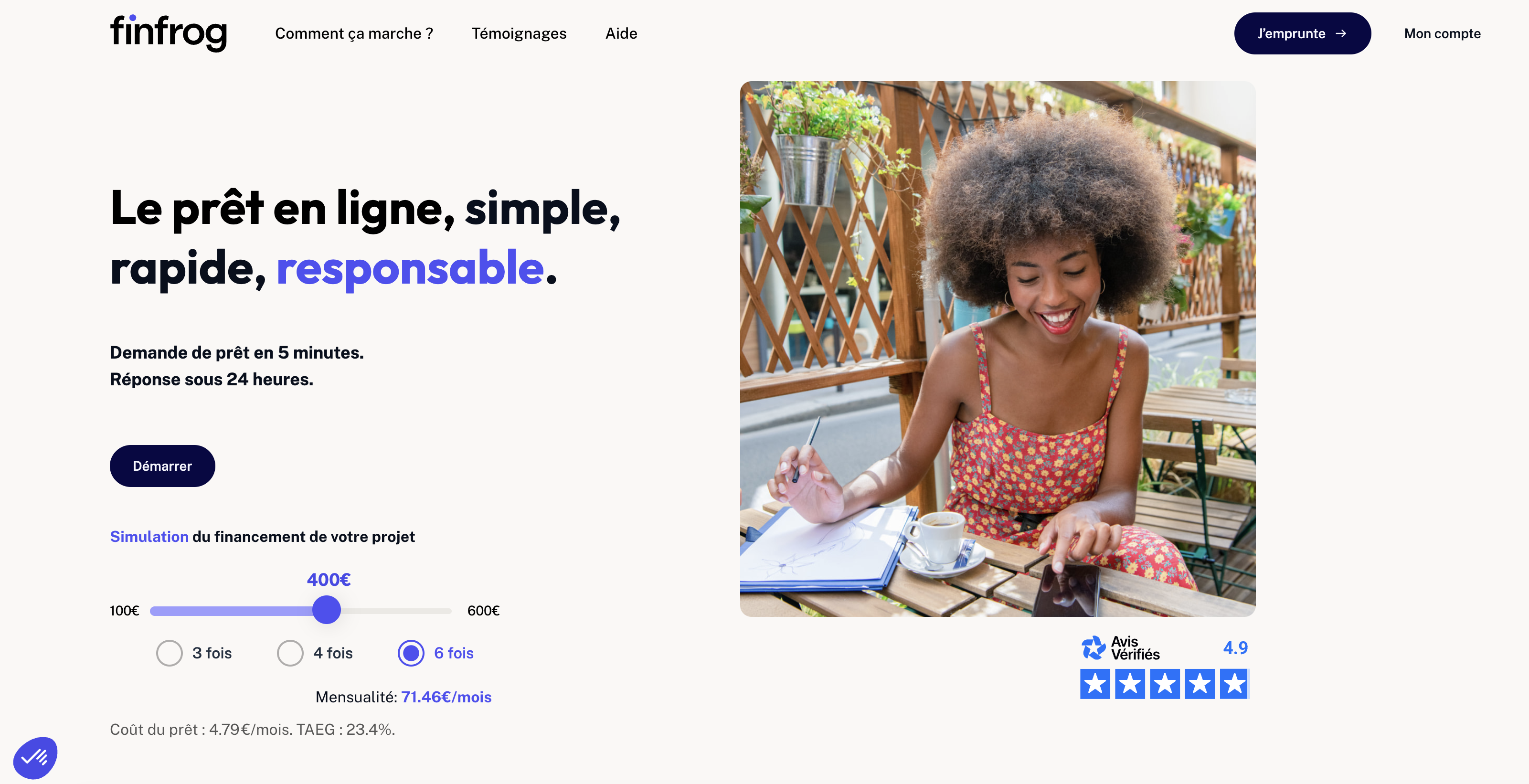
FinFrog is a French neobank designed for the Instagram generation—a mobile-first challenger that strips away the pretense of traditional banking and treats financial management like a social experience. Rather than positioning itself as a replacement for your main bank, FinFrog positions as the fun account you actually use, complete with spending analytics that actually make sense and a card that feels like an extension of your lifestyle rather than a financial obligation.
The platform focuses on real-time spending visibility, automated savings mechanisms, and a philosophy that younger Europeans shouldn't have to tolerate clunky interfaces or hidden fees just to manage their money. It's built on the premise that financial literacy and engagement happen through friction-free, mobile-native experiences, not through apps bolted onto legacy systems.
Within the European challenger banking landscape, FinFrog carves out space by leaning heavily into design and user experience clarity rather than attempting to be everything at once. While competitors chase feature bloat, FinFrog has maintained focus on core banking and budgeting fundamentals executed at a level that feels genuinely differentiated.
As part of the broader shift toward mobile-first financial services in continental Europe, FinFrog represents the next wave of neobanks that treat banking as a utility that should be boring, fast, and actually yours—no corporate messaging, no pretense, just money that works.
Founded 2018
View profile →
Hype
Digital BankingPersonal Finance
🇮🇹 Italy
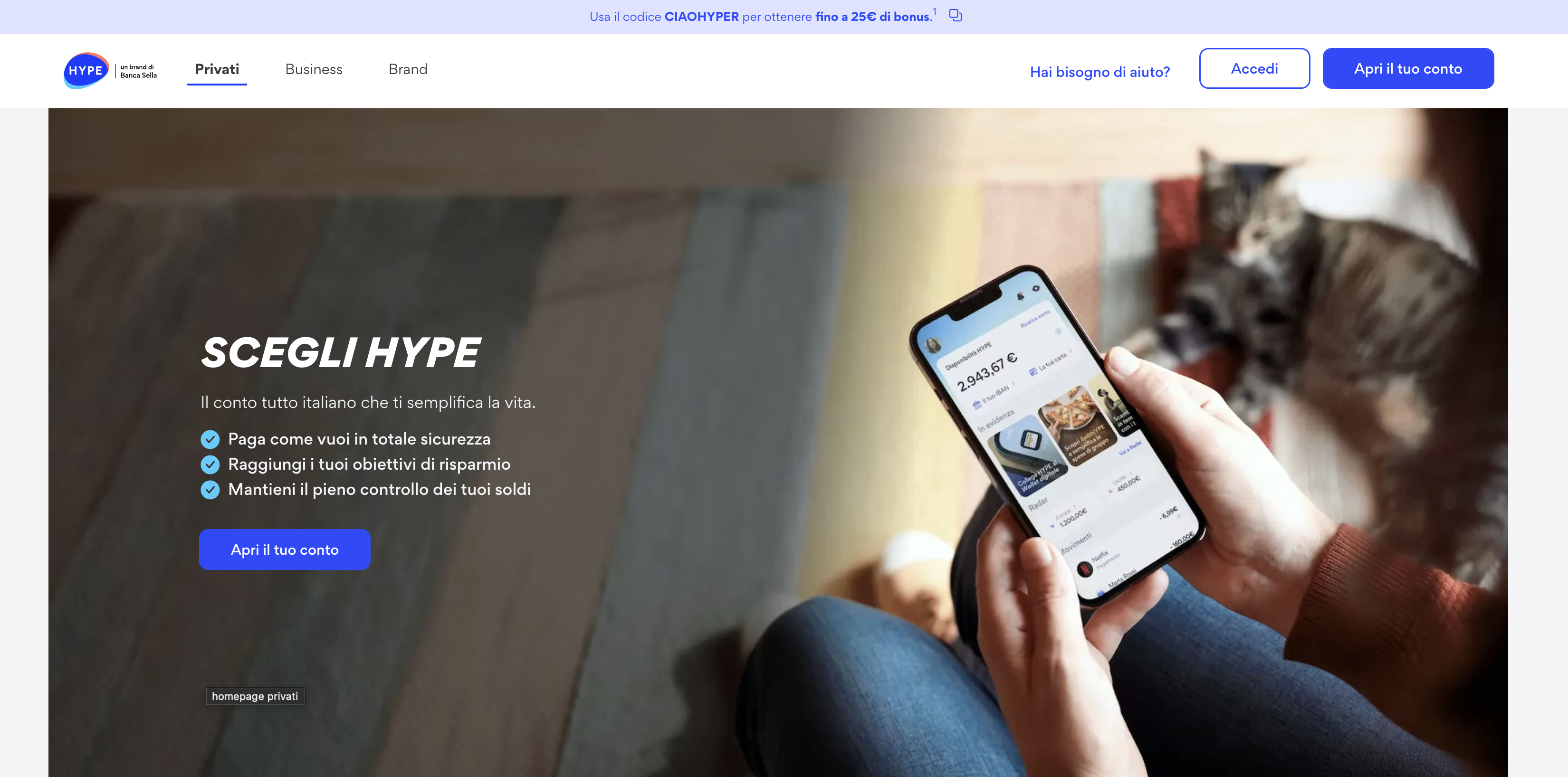
Hype is Italy's answer to the mobile banking revolution, a neobank that has spent nearly a decade proving that digital-first doesn't mean stripped-down. Rather than chase global scale with generic features, Hype has built a hyperlocal following by understanding what young Italians actually want from their money: instant transfers, cashback rewards, zero monthly fees, and a sleek app that doesn't feel like it was designed by a committee of compliance officers.
The platform operates as a digital-only current account backed by actual IBAN credentials, so it's not playing at banking—it's the real thing, licensed and regulated. Users get a contactless Mastercard, push-notification alerts for every transaction, and the kind of interface that makes traditional banking feel positively medieval by comparison. Hype's cashback ecosystem is its signature move, offering percentage returns on spending across partner merchants, which transforms the app from a mere account holder into a lifestyle spending companion.
In a market where European neobanks have largely converged around identical feature sets, Hype has chosen to go deep rather than broad, cementing itself as the default neobank for Italian millennials and Gen Z. It's proof that you don't need hundreds of millions in funding or ambitions to be present in every time zone to build something genuinely meaningful. The company represents a particular kind of fintech success: profitable, focused, and beloved by its core audience rather than chased by venture capitalists.
Hype demonstrates that the future of banking in Europe isn't about creating one global super-app, but rather a network of fiercely intelligent regional players, each optimized for the specific financial behaviors and preferences of their home market.
Founded 2014
View profile →
Nickel
PaymentsDigital BankingPersonal Finance
🇫🇷 France
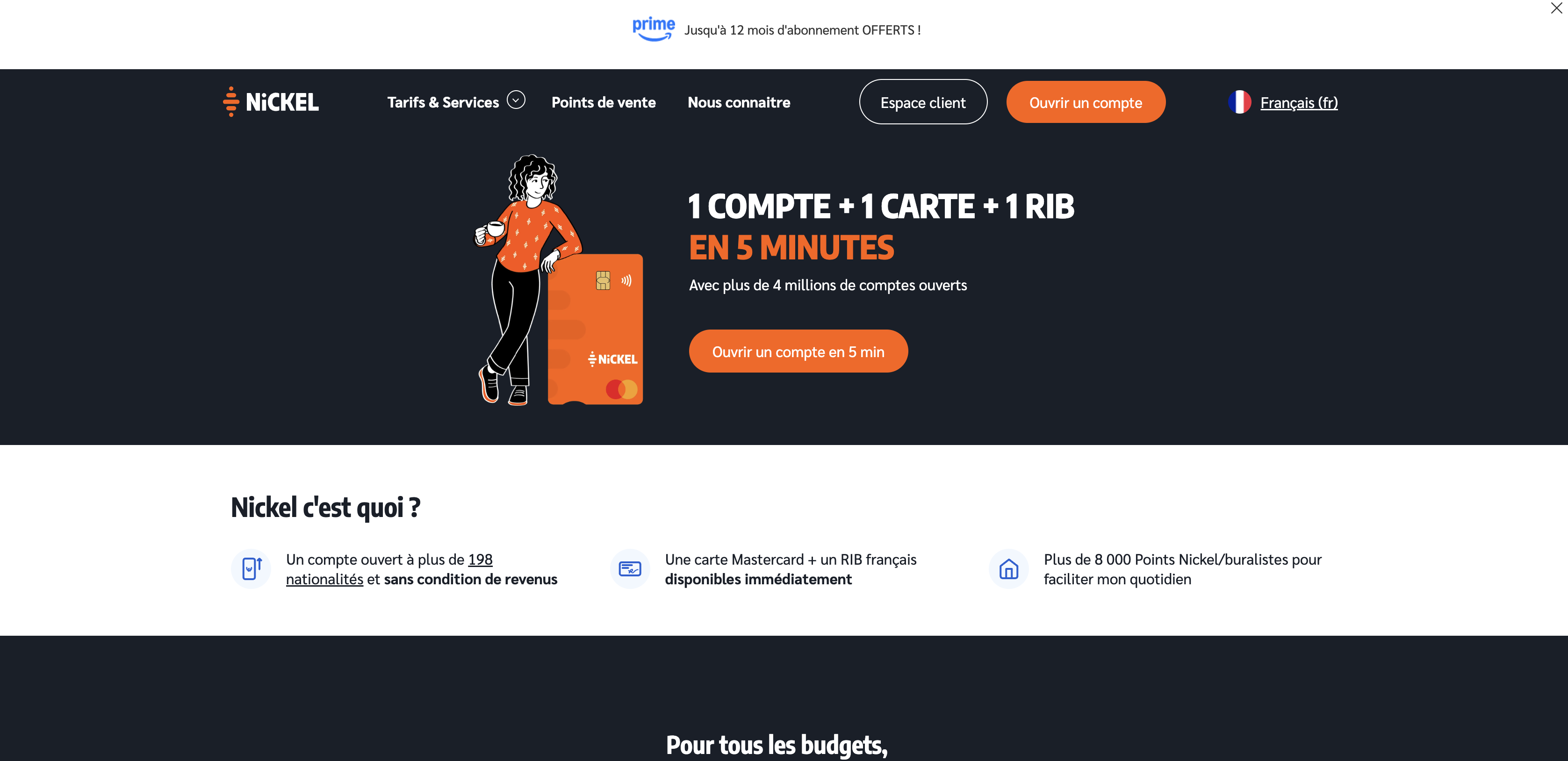
Nickel is a French-born neobank that treats banking as a public good rather than a premium service. It emerged in the early 2010s with a radical premise: everyone deserves access to basic financial tools, regardless of income or credit history. The platform offers no-frills digital accounts, card payments, and essential money management features at a fraction of traditional bank costs.
Unlike the gamified, feature-heavy challenger banks flooding the European market, Nickel stays deliberately minimal. Its appeal lies in straightforward functionality and transparency—no hidden fees, no algorithmic nudges toward credit products, no complexity. The company operates a hybrid model, partnering with physical retailers to provide account opening and cash services, which sets it apart from fully digital competitors.
In the crowded Western European neobank space, Nickel occupies a distinct position: it's inclusive by design, not by accident. While competitors target affluent early adopters with investment tools and lifestyle integrations, Nickel focuses on financial stability for underserved populations—students, gig workers, immigrants, and those excluded from traditional banking. This mission-driven approach has earned it a loyal user base and growing recognition as a serious alternative to incumbent banks.
Nickel represents a quietly powerful force in European fintech: proof that sustainable disruption doesn't require endless feature releases, just genuine accessibility and trust.
Founded 2012
View profile →