DatabaseCategoriesServicesCountriesArticlesNewsletterRequest listing
HomeCategoriesFraud & SecurityPayment protection
Fraud & Security

Payment protection Companies in Europe

5 companies·4 countries·Updated August 2026

Payment protection encompasses the tools and processes that secure individual payment transactions against fraud, chargebacks, and unauthorised use. This includes 3D Secure authentication for card payments, device fingerprinting, velocity checks, geolocation verification, and machine learning models that score individual transactions for risk. Payment protection is increasingly important as instant payments reduce the window available to detect and stop fraudulent transactions before funds leave an account.

European Payment protection companies in our database

Notable payment protection companies include Ravelin, Trustpayments, Netcetera, Brite Payments and Nethone.
Ravelin
Ravelin🇬🇧
Est. 2014

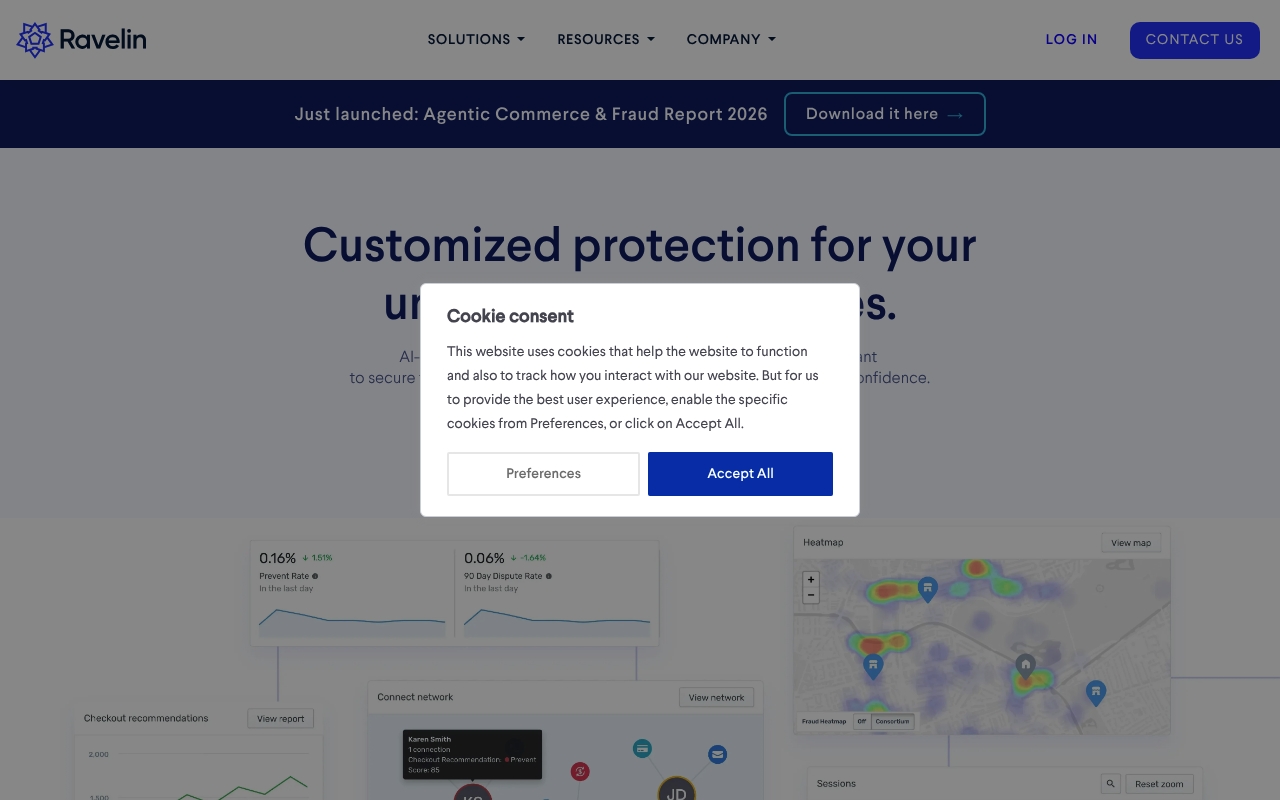
Ravelin is a fraud prevention and risk intelligence platform built for the modern payment landscape. Rather than relying on outdated blacklists and rule engines, the company uses behavioral analytics and machine learning to distinguish legitimate transactions from fraudulent ones in real time. The platform sits between merchants and payment processors, analyzing transaction patterns, user behavior, and contextual signals to catch fraud before it hits the books. Ravelin's approach acknowledges a fundamental tension in fintech: overly aggressive fraud screening kills conversions, while loose controls breed chargebacks. The company's API-first architecture means it integrates directly into checkout flows without requiring merchants to rebuild their payments infrastructure. What sets Ravelin apart is its focus on the nuance between fraud risk and business risk. Many competitors offer binary accept-or-decline decisions; Ravelin surfaces risk scores and behavioral indicators, letting merchants make informed decisions about which transactions to challenge, approve, or send to manual review. This flexibility matters especially for high-value or unusual transactions where false positives hurt revenue. Ravelin operates primarily in the B2B space, serving mid-market and enterprise merchants across e-commerce, travel, and fintech. The company competes in a crowded fraud detection market dominated by established players, but gains ground through superior machine learning models and a merchant-centric product philosophy. As payment volumes continue to surge across Europe and digital fraud becomes increasingly sophisticated, Ravelin's technology sits at a critical chokepoint in the transaction flow.

Trustpayments
Trustpayments🇬🇧
Est. 2014

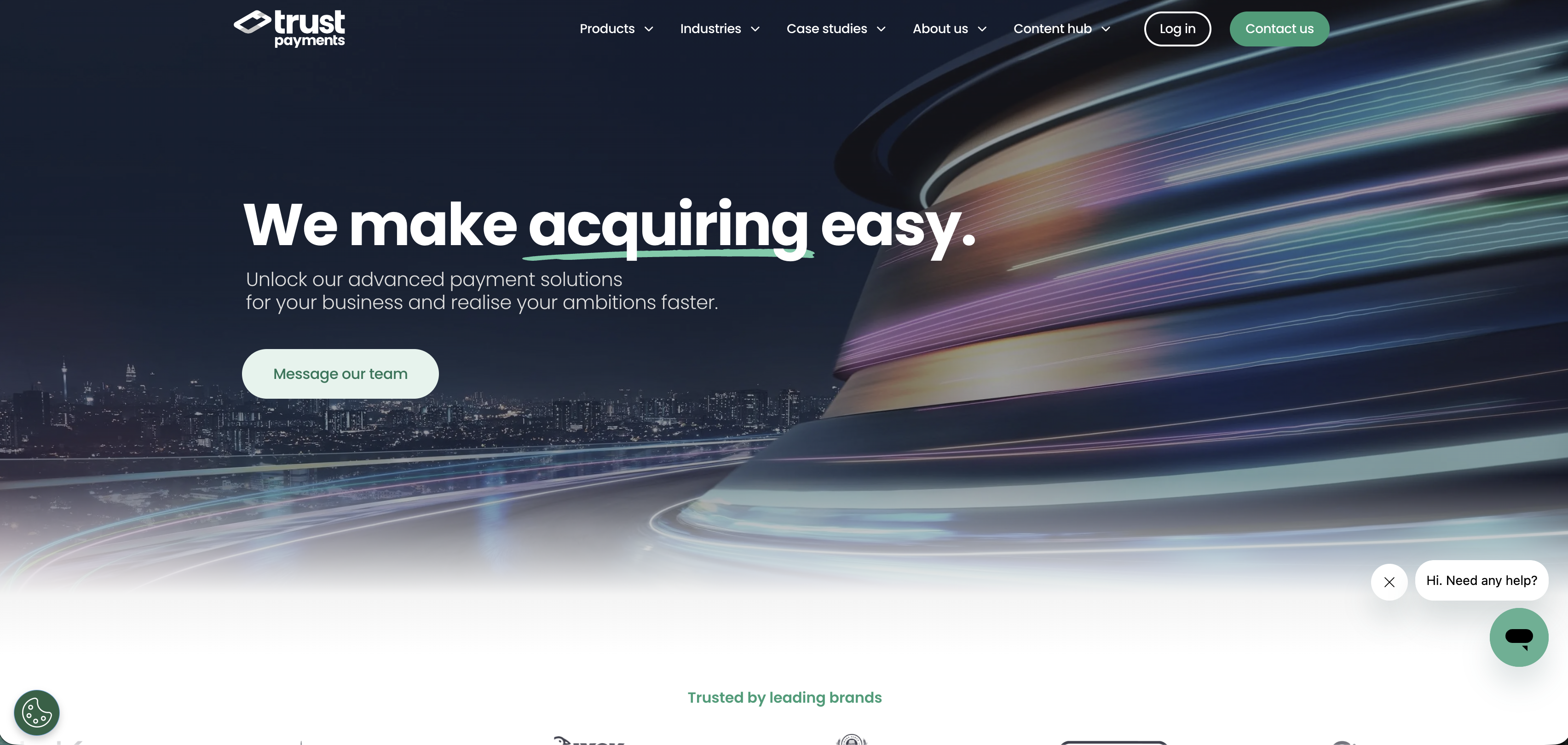
Modern enterprise payment infrastructure for the omnichannel era. Trustpayments sits at the intersection of commerce and financial services, handling the plumbing that lets retailers, marketplaces, and platforms accept payments across every surface—online checkouts, physical stores, subscription models, invoices, you name it. Rather than stitching together five different providers, enterprises get a unified orchestration layer that routes transactions intelligently, manages recurring billing without friction, and gives finance teams visibility they actually want. The company targets the complexity that emerges when scale matters. A retailer with a chain of 200 stores, an e-commerce platform with dozens of payment methods, or a SaaS company billing in 15 currencies—these are the problems Trustpayments solves. It's a European alternative to the Adyens and Stripes of the world, though with particular strength in enterprise clients who need sophistication without the overhead of custom integration. Trustpayments competes on transparency and control. While many payment processors obscure the mechanics, Trustpayments gives merchants the ability to orchestrate payment flows, customize retry logic, and access real-time settlement data. It's the operating system for payments rather than just a processor. In the broader fintech landscape, Trustpayments represents the European push to regionalize critical infrastructure. Payment processing has long been dominated by American-born giants, and companies like this are shifting the conversation—proving that European enterprises can build the complexity-handling platforms multinationals actually need.

Netcetera
Netcetera🇨🇭
Est. 1996

Netcetera is a Swiss-based financial software company that builds infrastructure for digital payments and banking. Rather than chasing flashy consumer apps, they focus on the unsexy but essential work of connecting banks, payment networks, and merchants through APIs and platforms that handle the plumbing beneath every transaction. Their reach spans card payments, mobile banking, and open banking rails—serving a global roster of financial institutions that need rock-solid, scalable technology rather than venture-backed disruption narratives. In markets where regulatory complexity and legacy system integration matter more than speed-to-market, Netcetera has quietly become indispensable. They approach fintech as a B2B engineering problem, not a consumer trend, which is exactly why you've never heard of them despite their work touching millions of transactions daily. The company represents a particular strain of European fintech: deeply technical, institution-friendly, and skeptical of hype. They're the kind of partner that traditional banks and payment processors turn to when they need to modernize without tearing everything down. In an ecosystem crowded with neobanks and consumer lending apps, Netcetera's unglamorous expertise in payment orchestration, card processing, and banking APIs underscores a fundamental truth about fintech infrastructure: the real value often hides behind the scenes, in systems nobody sees but everyone depends on.

Brite Payments
Brite Payments🇸🇪
Est. 2021

Brite Payments operates in the unglamorous but essential middle of European payments infrastructure, solving the one problem every online merchant dreads: chargebacks and payment disputes. Rather than building another payment gateway or adding another layer to the stack, Brite focuses on the friction that happens after the transaction settles—when customers dispute charges, fraudsters claim they never authorized a payment, or acquirers demand evidence of legitimacy. The company automates the collection and management of transaction evidence, turning what used to be manual spreadsheet hell into a streamlined workflow. For e-commerce teams and payment processors alike, this means faster dispute resolution, lower chargeback rates, and fewer abandoned cases because the right documentation was never dug up in time. Where traditional payment providers treat disputes as a grudging afterthought, Brite has built the entire operation around winning them. The platform integrates with major payment gateways and acquirers, capturing data at the moment of transaction so that when a dispute lands, you're not scrambling to reconstruct what happened six months ago. In a market obsessed with growth and conversion, Brite focuses on the less sexy metric that actually protects margin: keeping more of the money you thought you earned. European merchants and their payment partners recognize the value immediately—this is not innovation theater, it's operational necessity.

Nethone
Nethone🇵🇱
Est. 2012

Fraud detection and prevention used to be reactive—companies would build rule engines and hope for the best, watching transactions after they happened. Nethone inverts that. The platform spots fraudsters before they strike, using behavioral analytics and device intelligence to identify bad actors in real time across payments, lending, and marketplaces. It's not just rule-based flagging; Nethone learns from every interaction, continuously adapting to new fraud tactics as they emerge. The company serves mid-market and enterprise clients across Europe, particularly in Poland and the broader Central European market, where it's become trusted infrastructure for preventing losses. Unlike generic fraud tools that rely on blacklists and static rules, Nethone combines machine learning with behavioral signals—how someone moves their mouse, types their password, navigates your app—to build a detailed risk picture. This approach catches both account takeovers and credential stuffing before legitimate users even realize something's wrong. In a market crowded with legacy fraud solutions and newer point tools, Nethone stands apart through device-centric intelligence and a focus on reducing false positives. Most fraud platforms block too much; Nethone aims for precision. For fintech companies, lenders, and payment networks that need fraud prevention without friction, it offers a middle ground between being too permissive and too paranoid. It's become a standard choice for European fintechs building trust at scale.

Related in Fraud & Security
Transaction monitoring (12)Identity fraud detection (9)Behavioral analytics (5)
Browse all Fraud & Security companies →

Frequently asked questions

How many Payment protection companies are there in Europe?
The fintechdatabase.eu directory lists 5 Payment protection companies across 4 European countries.
What are the biggest Payment protection companies in Europe?
The most popular Payment protection companies in the directory are Ravelin, Trustpayments and Netcetera.
Which European countries have the most Payment protection companies?
United Kingdom, Switzerland and Poland have the most Payment protection companies in Europe.