Custody Companies in Europe
Institutional crypto custody provides secure storage of digital assets for financial institutions, asset managers, and corporate treasuries — using multi-signature key management, cold storage infrastructure, insurance, and audit trails that traditional securities custody cannot provide.
European Custody companies in our database
Notable custody companies include Paymium, Ledger, Blockchain.com, Coinhouse and Sygnum.
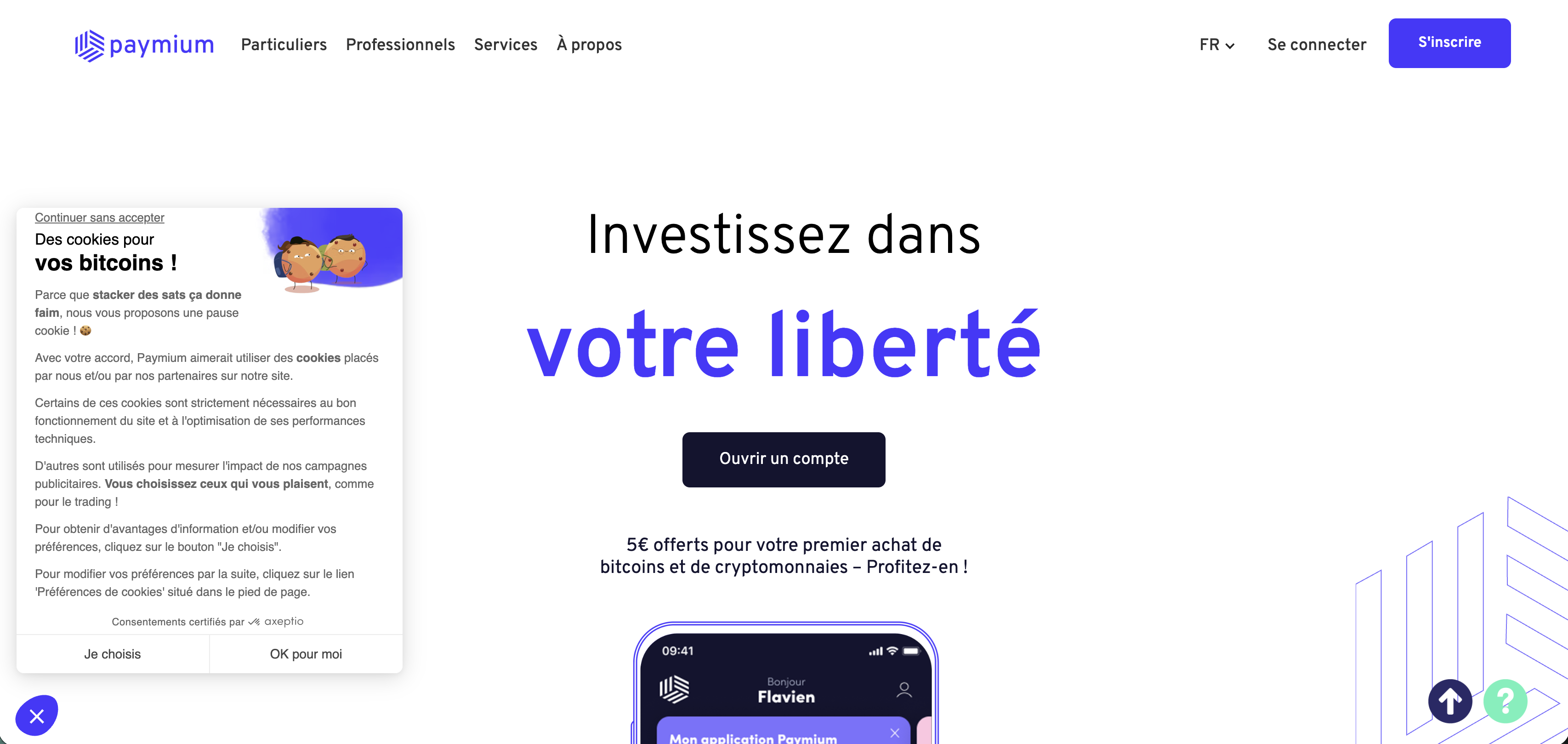
Bitcoin exchanges in Europe's early crypto years were characterised by technical fragility, regulatory opacity, and the constant possibility that the platform you were using would simply disappear. Paymium was founded in Paris in 2011 as one of Europe's first Bitcoin exchanges and has the unusual distinction of still operating today — a survival record that sets it apart from the majority of its early-era peers. Its longevity reflects a deliberate choice to operate as a regulated financial institution from the beginning, obtaining French regulatory authorisation and maintaining compliance standards that many early crypto platforms treated as optional. Paymium serves both retail and institutional users in the French market, offering Bitcoin trading with the regulatory framework and consumer protection standards of a licensed payment institution. In the contemporary European crypto landscape — dominated by Coinbase, Binance, and Kraken — Paymium is a niche player by volume but a significant one by longevity and regulatory credibility. For French institutional investors and the segment of retail users who prioritise regulatory protection over trading fees, Paymium's fifteen-year track record of compliant operation is a genuine differentiator in an industry where that record is extraordinarily rare.
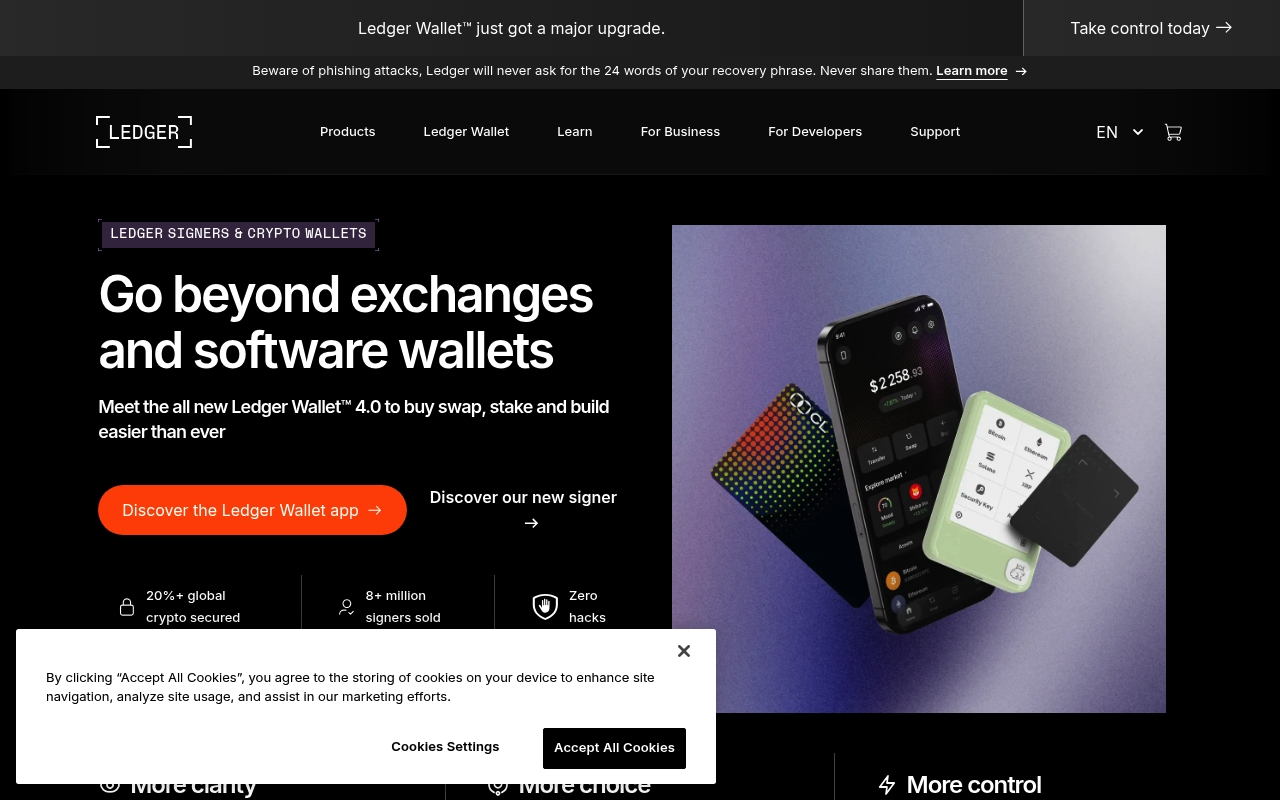
Ledger is the world's most recognizable cryptocurrency hardware wallet manufacturer, though the company has evolved well beyond that single product. Founded in 2014, it pioneered the idea that self-custody of digital assets could be both secure and user-friendly, making crypto accessible to millions who otherwise would have left their holdings on exchanges. The company operates as a full-stack crypto infrastructure provider, offering hardware wallets (Ledger Nano S and X), a software wallet platform, and developer APIs that let third-party services integrate Ledger's security model into their own products. What sets Ledger apart in the crypto space is its obsessive focus on security through isolation. While competitors often offer software wallets or custodial solutions, Ledger's approach keeps private keys permanently offline, eliminating the attack surface that plagues hot wallets. The company has successfully maintained that zero-breach record for a decade, which matters enormously in an industry built on trust and skepticism. Beyond hardware, Ledger has quietly built a platform ecosystem—Ledger Live (the official app) aggregates portfolio tracking, staking, swaps, and third-party integrations, turning the wallet into something closer to a financial operating system for crypto natives. Ledger operates at a fascinating intersection of consumer hardware business and B2B infrastructure play. Millions of individual users buy Ledger devices directly, but the company also licenses its technology to banks, exchanges, and other financial institutions looking to offer institutional-grade custody. It's a rare position in fintech: simultaneously a consumer brand (few non-crypto companies sell physical products as recognizable as a Ledger Nano) and an enterprise security provider. That duality has made Ledger one of Europe's most valuable fintech unicorns, though it remains private. In the broader fintech ecosystem, Ledger represents the backbone layer—the infrastructure that makes decentralized finance possible without requiring users to become security experts themselves.
Blockchain.com is one of the oldest and most-visited crypto infrastructure platforms in the world, operating as a bridge between traditional finance and digital assets. The company runs a full-stack crypto ecosystem—a blockchain explorer that millions use to track transactions, a self-custody wallet that puts users in control of their private keys, and a suite of institutional-grade services for serious players. Where most crypto platforms treat blockchain as a trading venue, Blockchain.com treats it as infrastructure. The platform serves retail users seeking transparency and control, developers building on-chain applications, and institutions entering crypto with proper compliance frameworks. The company has maintained a distinctly crypto-native stance while gradually building enterprise services that acknowledge regulatory reality. Its wallet remains one of the most downloaded in the space, offering both simplicity for newcomers and advanced features for power users. Blockchain.com sits at an interesting inflection point in fintech—old enough to have survived multiple market cycles, serious enough to work with regulators, yet still fundamentally aligned with decentralized principles. The platform's role in the broader landscape is foundational: it enables crypto participation across the entire user spectrum, from curious individuals to multinational corporations managing digital asset reserves.
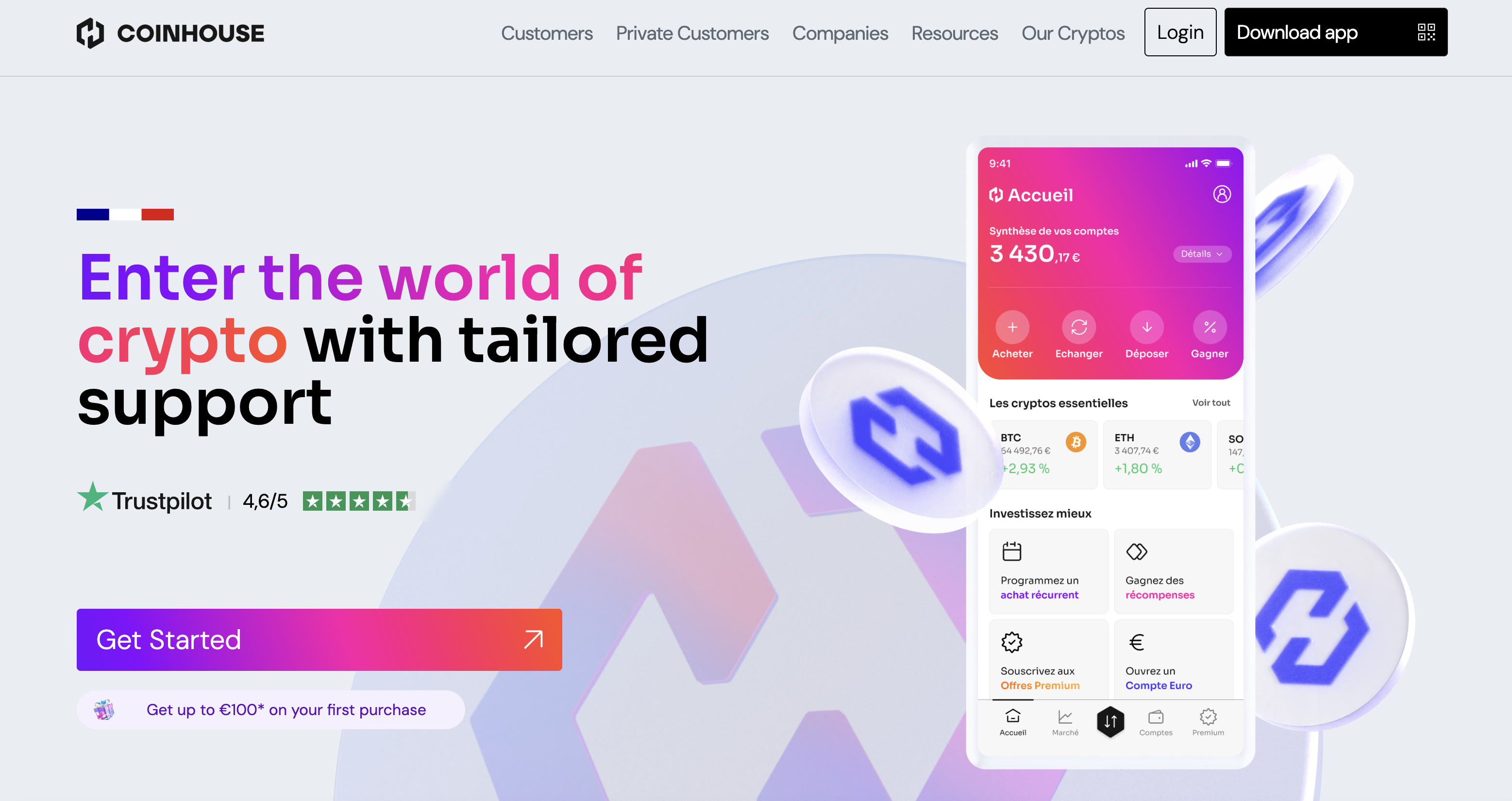
Crypto for institutions requires a different product than crypto for retail. The compliance requirements, the custody standards, the reporting obligations, and the client servicing expectations of professional investors are categorically different from those of an individual buying Bitcoin through an app. Coinhouse was founded in Paris in 2014 as one of France's first regulated crypto asset service providers, building a platform designed for the higher standards that institutional and professional clients require. Its services cover crypto trading, custody, staking, and portfolio management for professional investors — with the regulatory standing of a PSAN (Prestataire de Services sur Actifs Numériques) registration under France's crypto asset framework. Coinhouse has positioned itself as the French institutional crypto bridge — the regulated, professional-grade alternative to the consumer exchanges that dominate by volume but not by client sophistication. In the European institutional crypto market, where MiCA regulation is creating clearer requirements for crypto asset service providers, platforms that have already built their compliance infrastructure to institutional standards are better positioned than those scrambling to retrofit regulation onto consumer products.
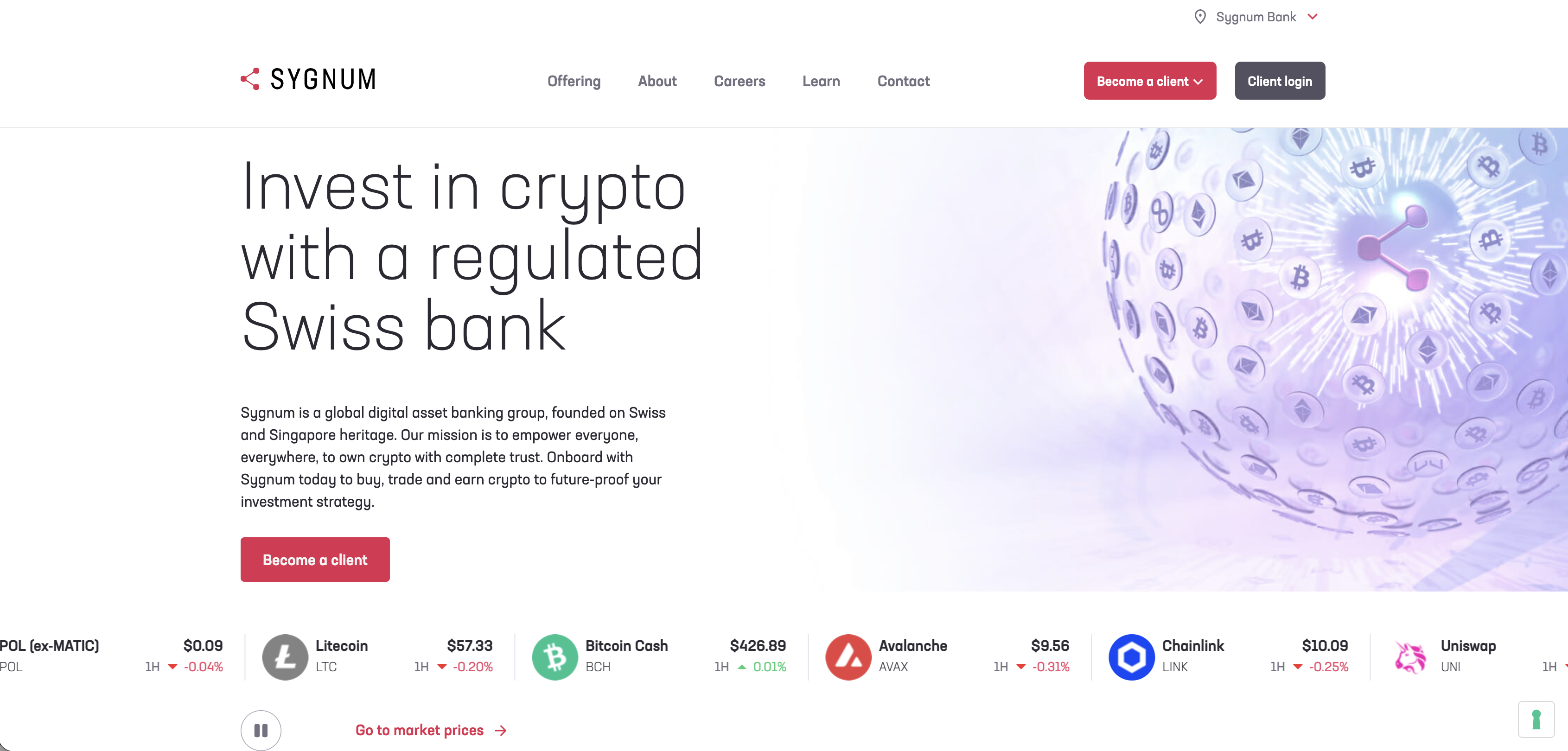
If traditional banking and crypto assets lived on opposite sides of a chasm, Sygnum has built the bridge. The Swiss digital bank is purpose-built to serve institutions that want to work with digital assets—everything from Bitcoin and Ethereum to tokenized real-world securities—without abandoning the regulatory rigor and operational discipline that traditional finance demands. It's not a crypto exchange, and it's not a legacy bank pretending to understand blockchain. Sygnum is a fully licensed, Swiss-regulated bank (founded 2018) that treats digital assets with the same institutional seriousness as fiat currency. Think of it as infrastructure for the convergence: custody, payments, settlement, and full banking services, all designed for the digital asset economy. While most banks still treat crypto clients as a compliance headache, Sygnum has built its entire stack around serving them properly. The company sits at an inflection point in fintech—the moment when digital assets stop being a niche speculation play and become a legitimate asset class that institutions need to hold, trade, and settle. Sygnum's positioning reflects this: it's not selling you a speculative product or a get-rich-quick scheme. It's selling trust, regulation, and the plumbing that lets serious money move in and out of the digital asset space without regulatory friction. In the broader European fintech landscape, Sygnum represents the maturing of crypto infrastructure—the shift from Wild West exchanges to regulated, institutional-grade platforms that bridge traditional finance and digital assets.
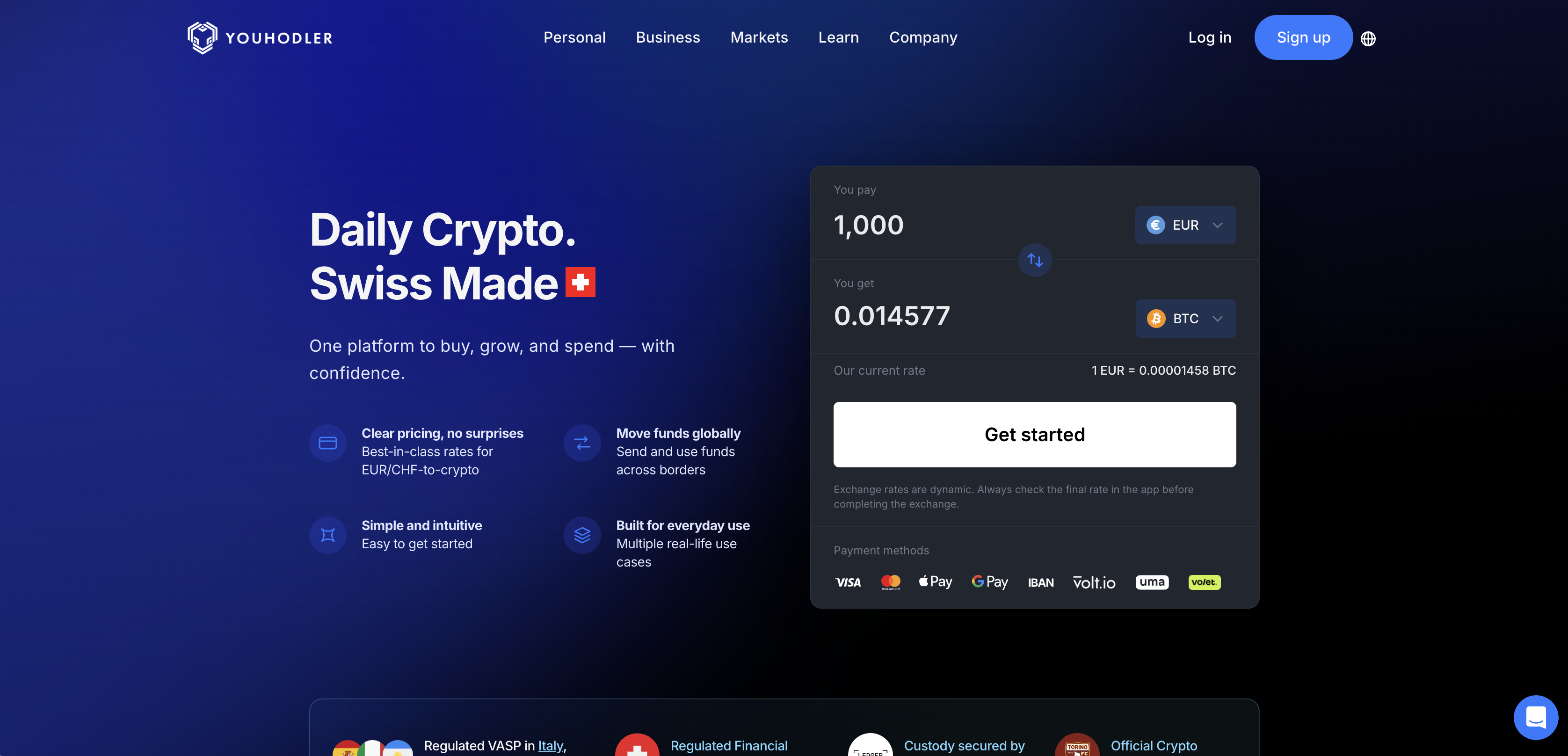
Swiss-regulated crypto financial products combine the technical innovation of crypto lending with the regulatory standing of Swiss financial services regulation — a combination that has appealed to international users who value regulatory clarity over the more permissive frameworks of some other crypto jurisdictions. YouHodler was founded in 2017 with operations in Switzerland and offers crypto-backed loans, savings products, and trading services to consumers across multiple international markets. Its model gives users the ability to borrow against cryptocurrency holdings, earn yield on deposited crypto, and trade between cryptocurrencies and stablecoins through a unified platform. The Swiss base has been operationally significant — Swiss financial regulation under FINMA provides clearer standing than the unregulated environment that defined early crypto lending, while still allowing the product range that crypto users seek. YouHodler has navigated the same crypto market dynamics that affected the broader category through the 2022-2023 period, including regulatory scrutiny and the broader market correction that reshaped crypto lending. In the European crypto financial services landscape, YouHodler occupies a position that combines crypto-native product capability with European regulatory infrastructure — a positioning that has become more rather than less relevant as MiCA implementation progresses and as the regulatory expectations for crypto financial services across Europe converge.