Wallets Companies in Europe
Crypto wallets are software applications that allow users to store, send, and receive cryptocurrency. Custodial wallets hold private keys on the user's behalf; non-custodial wallets give users direct control. Hardware wallets store private keys offline for maximum security.
European Wallets companies in our database
Notable wallets companies include Revolut, Safello, Ledger, MoonPay and Blockchain.com.
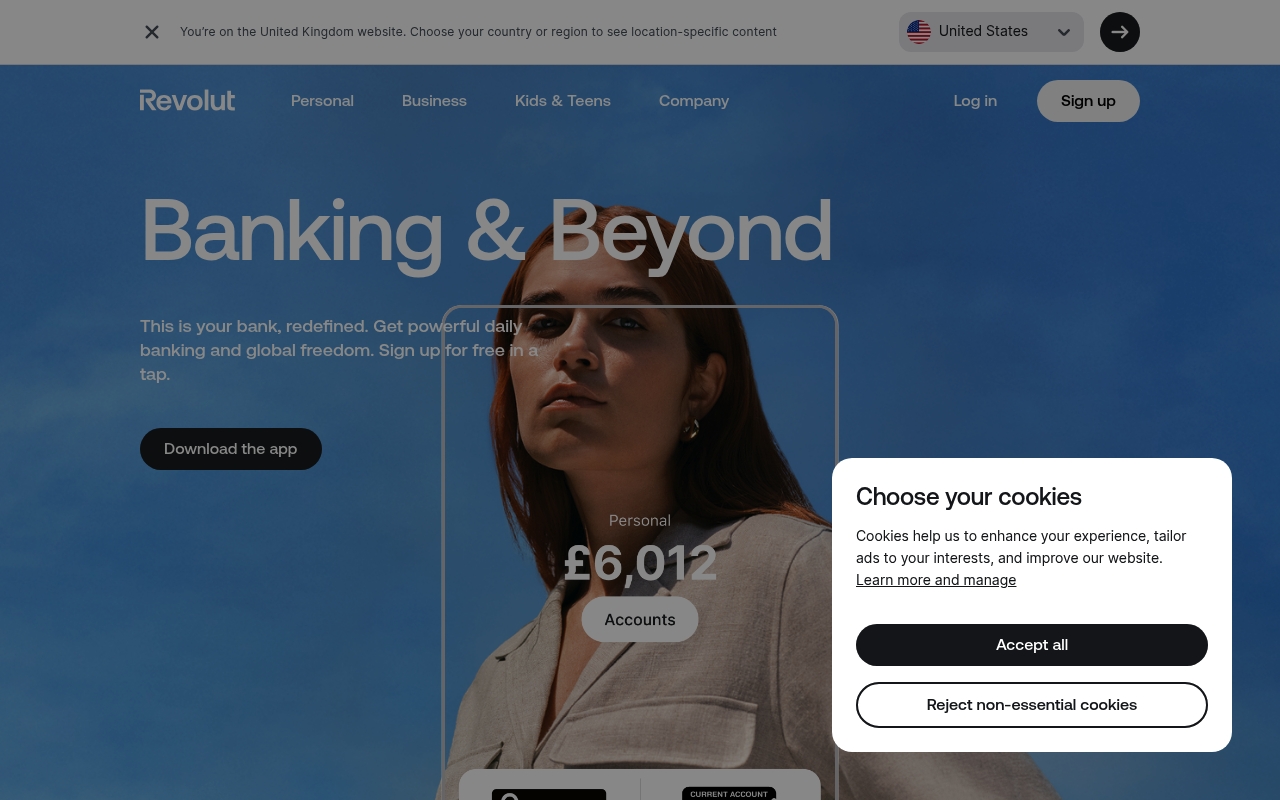
Nik Storonsky was born in Dolgoprudny, Russia, and moved to London in 2006 to work as an equity derivatives trader, first at Lehman Brothers and later at Credit Suisse. Vlad Yatsenko was a software engineer who'd spent years building financial systems. In 2015 they sat down and asked a question that should have occurred to banks years earlier: why does spending money abroad still cost so much? The answer they built was Revolut — initially a prepaid card with no foreign exchange fees, then a multi-currency account, then a trading platform, then an insurance product, then a business banking offering, then something that's increasingly hard to describe as anything other than a full financial operating system. Revolut didn't unbundle banking so much as rebuild it from scratch for people who found the existing version frustrating and expensive. The numbers now are genuinely striking for a company that started with two people and a card. Revenue reached £4.5 billion in 2025, up 46% year on year, with pre-tax profit rising 57% to £1.7 billion. The customer base has passed 75 million retail users, plus 767,000 businesses. The company employs more than 12,000 people and operates in more than 40 markets. In July 2026, a secondary share sale valued Revolut at $115 billion — up from $75 billion just eight months earlier, and more than the market capitalisation of Barclays. It remains Europe's most valuable private technology company by a wide margin. The milestone that mattered most arrived in March 2026: a full UK banking licence from the Prudential Regulation Authority, ending a five-year application process that had become one of the most-watched regulatory sagas in European fintech. The licence means Revolut can now protect UK deposits up to £120,000, offer authorised consumer credit, and compete directly with high street banks for mortgage and lending business. It's the piece that transforms Revolut from a very successful payments app into a regulated bank. The global licensing map is filling in quickly, with one persistent gap. In July 2026 Revolut became the first global fintech granted a full Australian Deposit-taking Institution licence by APRA — a regulator whose capital requirements have defeated several domestic neobanks — and launched Revolut Bank Australia. In August it secured a French banking licence, a significant step given that France is its largest European market outside the UK and that holding a local licence rather than passporting from Lithuania changes how it can compete there on lending and deposits. It has also opened its first bank outside Europe, in Mexico. The exception is the United States, where a banking charter application filed in 2024 remains pending — in a period when the OCC has rejected applications from both Wise and bunq. Around the licences, the product keeps widening past banking: private markets access for European retail customers through funds from Apollo, Ares and Partners Group; a partnership with OpenAI bringing ChatGPT Go to premium tiers; eSIM data plans; and an airport lounge network starting in Copenhagen. The original thesis — that banking could be cheaper, faster, and simpler — hasn't changed. What has changed is that Revolut is no longer only selling banking.
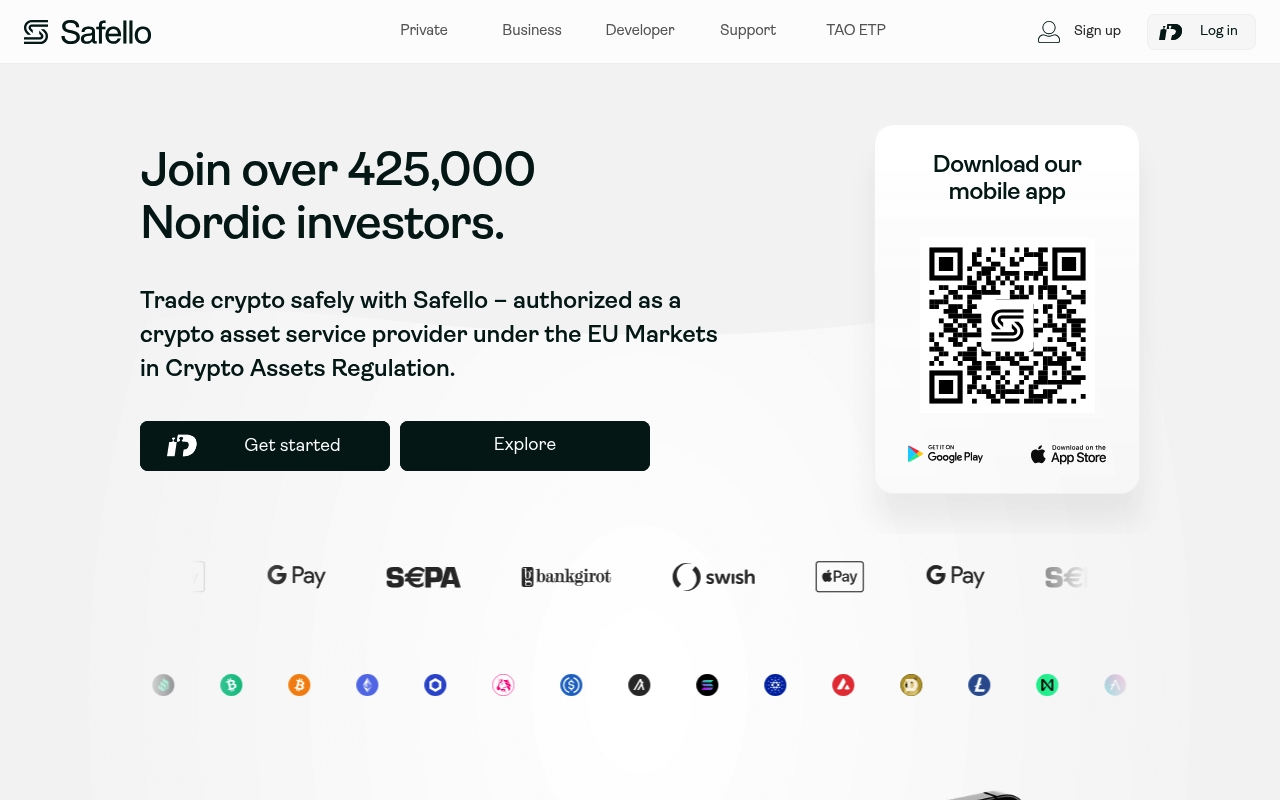
Safello lets Nordic users buy, sell, and manage crypto through a regulated platform.
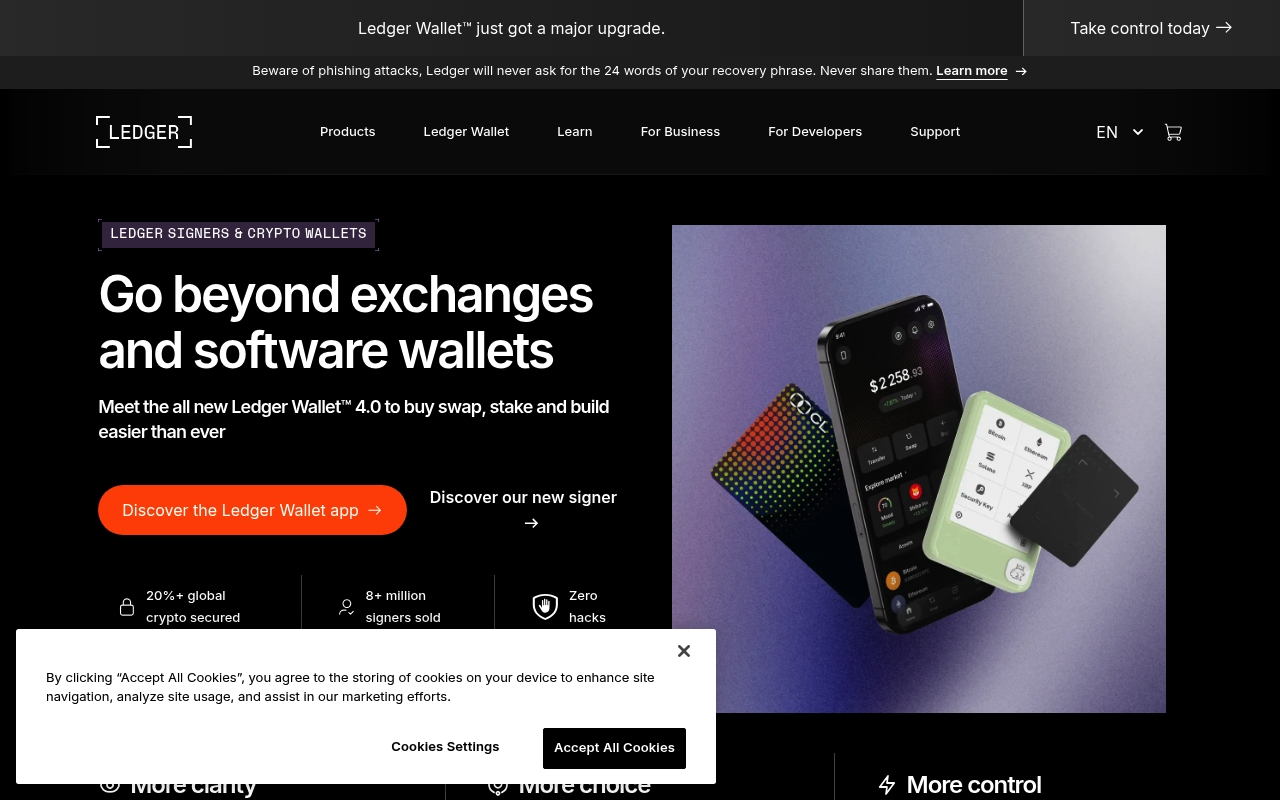
Ledger is the world's most recognizable cryptocurrency hardware wallet manufacturer, though the company has evolved well beyond that single product. Founded in 2014, it pioneered the idea that self-custody of digital assets could be both secure and user-friendly, making crypto accessible to millions who otherwise would have left their holdings on exchanges. The company operates as a full-stack crypto infrastructure provider, offering hardware wallets (Ledger Nano S and X), a software wallet platform, and developer APIs that let third-party services integrate Ledger's security model into their own products. What sets Ledger apart in the crypto space is its obsessive focus on security through isolation. While competitors often offer software wallets or custodial solutions, Ledger's approach keeps private keys permanently offline, eliminating the attack surface that plagues hot wallets. The company has successfully maintained that zero-breach record for a decade, which matters enormously in an industry built on trust and skepticism. Beyond hardware, Ledger has quietly built a platform ecosystem—Ledger Live (the official app) aggregates portfolio tracking, staking, swaps, and third-party integrations, turning the wallet into something closer to a financial operating system for crypto natives. Ledger operates at a fascinating intersection of consumer hardware business and B2B infrastructure play. Millions of individual users buy Ledger devices directly, but the company also licenses its technology to banks, exchanges, and other financial institutions looking to offer institutional-grade custody. It's a rare position in fintech: simultaneously a consumer brand (few non-crypto companies sell physical products as recognizable as a Ledger Nano) and an enterprise security provider. That duality has made Ledger one of Europe's most valuable fintech unicorns, though it remains private. In the broader fintech ecosystem, Ledger represents the backbone layer—the infrastructure that makes decentralized finance possible without requiring users to become security experts themselves.
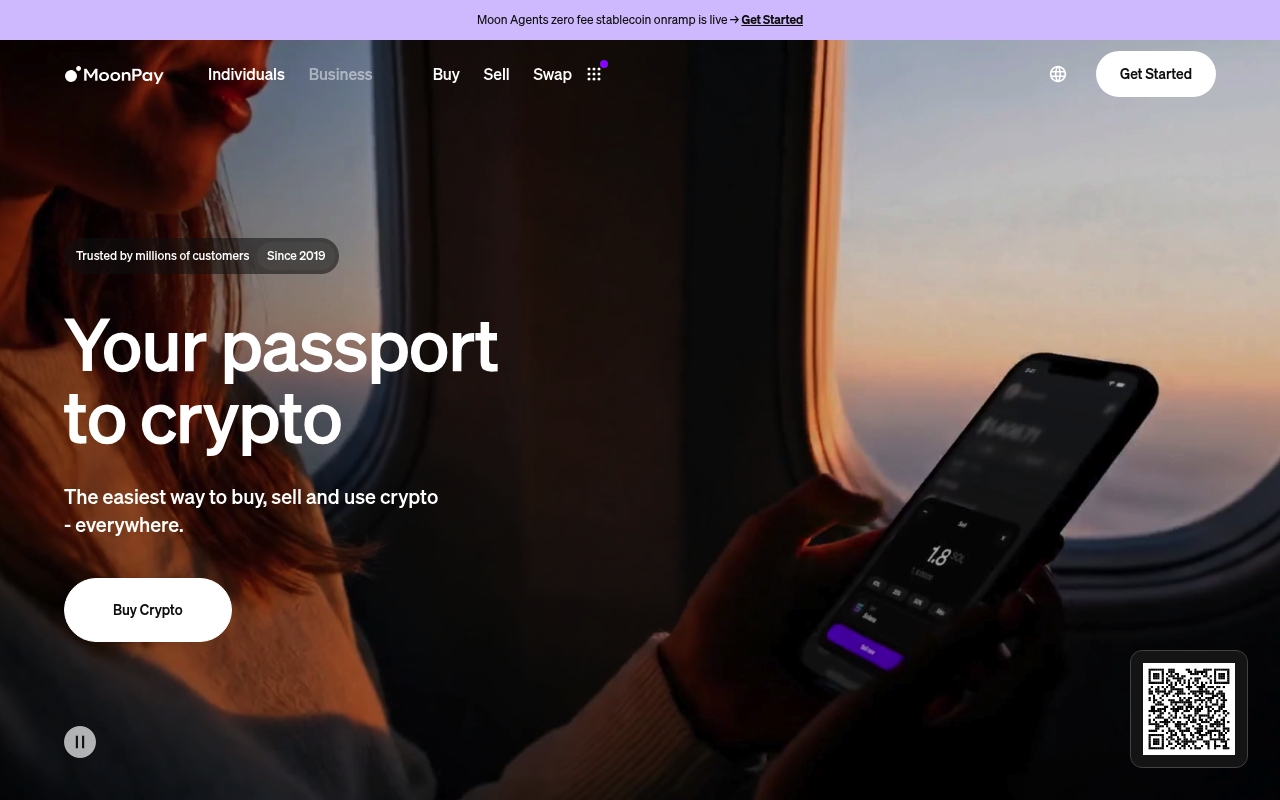
MoonPay sits at the intersection of crypto and traditional finance, offering on and off-ramps that let people move money between their bank account and crypto wallets with minimal friction. Founded in 2018, the London-based company has quietly become one of Europe's most important infrastructure plays in the emerging crypto economy, handling billions in transactions across more than 150 countries. What sets MoonPay apart is its unglamorous but essential positioning: it's not trying to be a crypto exchange or a trading platform. Instead, it's the plumbing layer that makes crypto accessible to ordinary people. You buy crypto through MoonPay the same way you'd buy a digital service—seamless, compliant, and fast. The company operates with full EU regulation, holding licenses across multiple jurisdictions while maintaining the kind of compliance rigor that traditional banks expect. MoonPay's API-first approach means startups, wallets, and even traditional fintech apps can embed crypto purchasing directly into their user experience. This white-label capability has attracted partnerships with everyone from music platforms to gaming studios. The company has raised substantial funding and is valued at over a billion dollars, a testament to how critical crypto infrastructure has become. In a market obsessed with trading speculation and yield farming, MoonPay represents something more fundamental: the normalization of crypto as a payment asset class. It's doing for cryptocurrency what Stripe did for online payments—removing the technical and regulatory barriers that kept it confined to specialists.
Blockchain.com is one of the oldest and most-visited crypto infrastructure platforms in the world, operating as a bridge between traditional finance and digital assets. The company runs a full-stack crypto ecosystem—a blockchain explorer that millions use to track transactions, a self-custody wallet that puts users in control of their private keys, and a suite of institutional-grade services for serious players. Where most crypto platforms treat blockchain as a trading venue, Blockchain.com treats it as infrastructure. The platform serves retail users seeking transparency and control, developers building on-chain applications, and institutions entering crypto with proper compliance frameworks. The company has maintained a distinctly crypto-native stance while gradually building enterprise services that acknowledge regulatory reality. Its wallet remains one of the most downloaded in the space, offering both simplicity for newcomers and advanced features for power users. Blockchain.com sits at an interesting inflection point in fintech—old enough to have survived multiple market cycles, serious enough to work with regulators, yet still fundamentally aligned with decentralized principles. The platform's role in the broader landscape is foundational: it enables crypto participation across the entire user spectrum, from curious individuals to multinational corporations managing digital asset reserves.
Tonkeeper is a mobile wallet built for the TON blockchain, designed to make crypto accessible to people who've never touched digital assets before. It strips away the complexity that typically comes with self-custody, offering a clean interface for sending, receiving, and storing TON tokens without requiring deep technical knowledge. The app handles key management transparently, so users can focus on their money rather than their keys. What sets Tonkeeper apart is its unapologetic simplicity. While most wallets load their interfaces with charts, advanced trading features, and portfolio analytics, Tonkeeper keeps things focused and minimal. It's built for people who want a wallet that works, not a platform that tries to be everything. The team clearly understands that friction is the enemy of adoption. Tonkeeper sits at the intersection of consumer-friendly design and genuine decentralization. It's not a custodial service, so users retain full control of their assets, but the UX suggests that security and usability don't have to be enemies. As the TON ecosystem grows beyond crypto enthusiasts into mainstream use, Tonkeeper's approachable design makes it the natural entry point for newcomers. In a space often dominated by overwrought interfaces and jargon, it feels almost refreshingly straightforward.