DatabaseCategoriesServicesCountriesArticlesNewsletterRequest listing
HomeCategoriesCrypto & BlockchainDeFi protocols
Crypto & Blockchain

DeFi protocols Companies in Europe

4 companies·3 countries·Updated August 2026

Decentralised Finance (DeFi) protocols are financial services — lending, trading, derivatives, yield generation — built on public blockchain infrastructure and governed by smart contracts rather than centralised intermediaries. DeFi protocols operate without a central company; rules are encoded in software and executed automatically. European DeFi companies are navigating an evolving regulatory landscape as MiCA and forthcoming digital asset regulations define the boundary between regulated and unregulated on-chain financial activity.

European DeFi protocols companies in our database

Notable defi protocols companies include Lavanet, Tonkeeper, OKX and Cream Finance.
Lavanet
Lavanet🇮🇸
Est. 2022

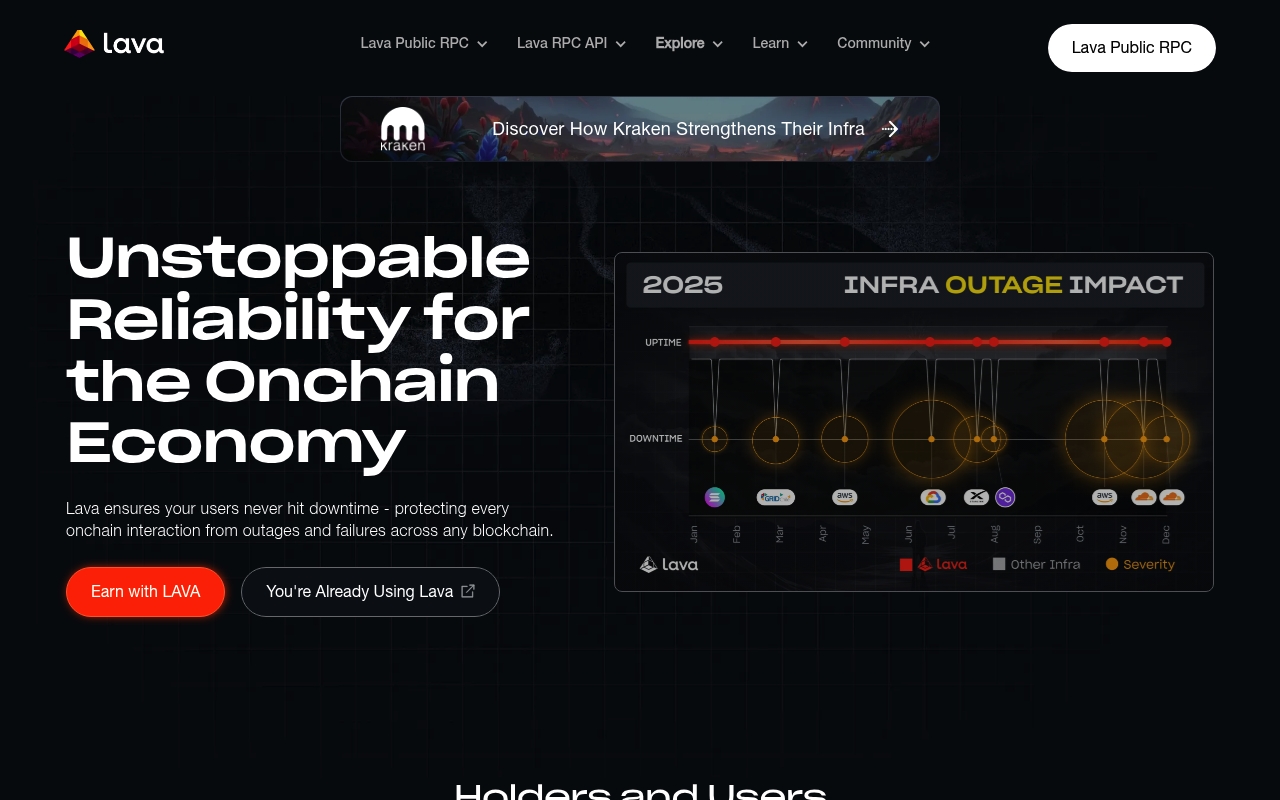
Lavanet is building a decentralized infrastructure network that lets applications and services tap into blockchain resources without the usual constraints of centralized providers. Think of it as a peer-to-peer marketplace for computational power, but for Web3 apps. Instead of relying on a single RPC provider or node operator, developers can access redundant, distributed infrastructure that's both more reliable and resistant to censorship. The network operates through a token-incentivized model where node operators earn rewards for serving requests, creating an open market for blockchain infrastructure rather than a walled garden controlled by a few large players. This approach addresses a real friction point in crypto adoption: the dependency on centralized infrastructure providers that can throttle, monitor, or shut down access. Lavanet democratizes access to blockchain resources by spreading that responsibility across thousands of independent operators. For developers, it means faster, cheaper, and more resilient connections to blockchains. For node operators, it's an opportunity to monetize spare computational capacity. In the broader context of decentralized finance and Web3, Lavanet represents infrastructure-layer innovation—the kind of plumbing work that rarely gets headlines but is essential for making the entire ecosystem more robust and genuinely decentralized.

Tonkeeper
Tonkeeper🇮🇸
Est. 2021

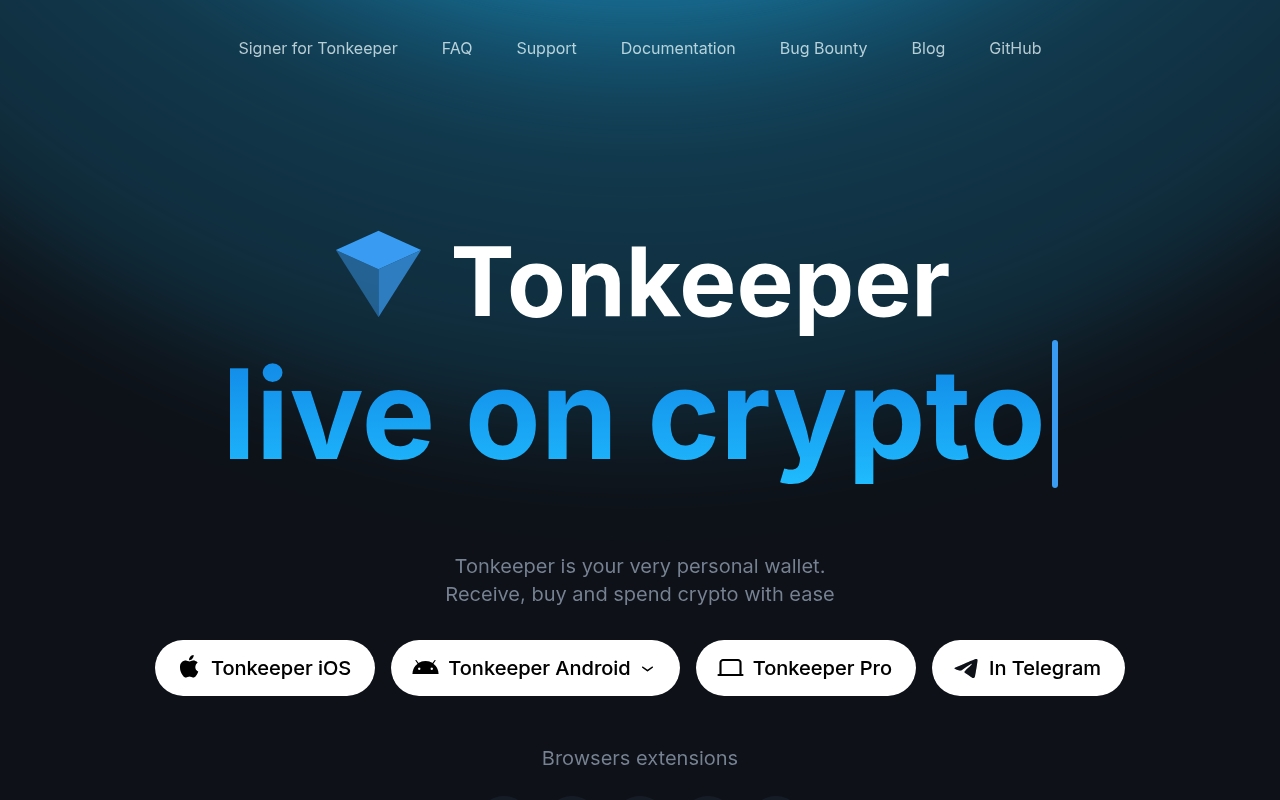
Tonkeeper is a mobile wallet built for the TON blockchain, designed to make crypto accessible to people who've never touched digital assets before. It strips away the complexity that typically comes with self-custody, offering a clean interface for sending, receiving, and storing TON tokens without requiring deep technical knowledge. The app handles key management transparently, so users can focus on their money rather than their keys. What sets Tonkeeper apart is its unapologetic simplicity. While most wallets load their interfaces with charts, advanced trading features, and portfolio analytics, Tonkeeper keeps things focused and minimal. It's built for people who want a wallet that works, not a platform that tries to be everything. The team clearly understands that friction is the enemy of adoption. Tonkeeper sits at the intersection of consumer-friendly design and genuine decentralization. It's not a custodial service, so users retain full control of their assets, but the UX suggests that security and usability don't have to be enemies. As the TON ecosystem grows beyond crypto enthusiasts into mainstream use, Tonkeeper's approachable design makes it the natural entry point for newcomers. In a space often dominated by overwrought interfaces and jargon, it feels almost refreshingly straightforward.

OKX
OKX🇲🇹
Est. 2017

OKX is a cryptocurrency exchange and Web3 infrastructure platform that has become one of Europe's most active crypto trading destinations. The platform combines spot and derivatives trading with a growing suite of Web3 tools, positioning itself as more than just an exchange—it's a gateway to decentralized finance and digital assets for European traders and institutions alike. The exchange operates with institutional-grade infrastructure, offering sophisticated order types, leverage trading, and options markets that rival traditional capital markets platforms. What sets OKX apart is its commitment to European regulatory compliance and its investment in Web3 ecosystem tools, including an integrated wallet and support for blockchain exploration across multiple networks. While most traditional exchanges struggle to navigate crypto's regulatory complexity, OKX has built operational depth in multiple European jurisdictions. It serves everyone from retail traders seeking exposure to digital assets to institutions building Web3 strategies, making it a central hub in Europe's growing crypto infrastructure layer. In the broader fintech landscape, OKX represents the convergence of trading sophistication and Web3 accessibility—a platform built for the next generation of financial infrastructure rather than merely replicating legacy models.

Cream Finance
Cream Finance🇱🇻
Est. 2020

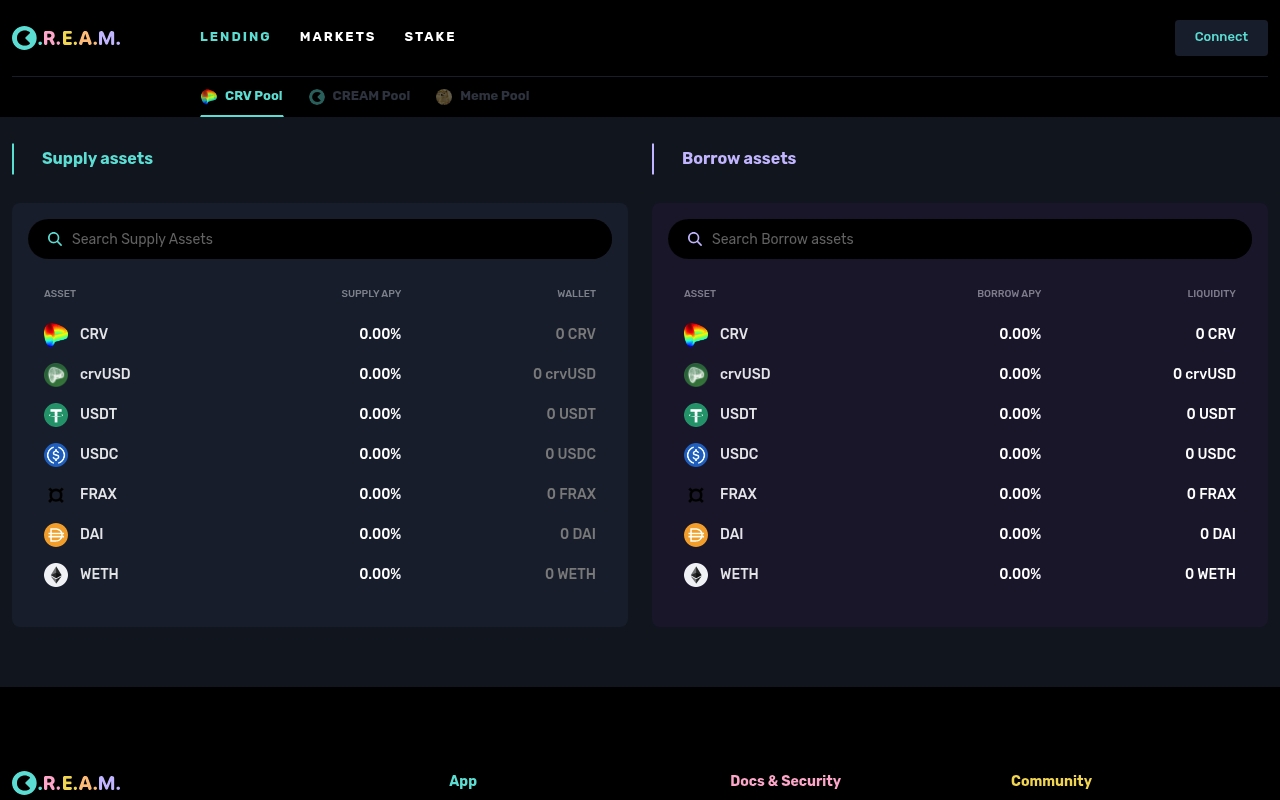
Cream Finance is a decentralized lending protocol built on multiple blockchains that lets users deposit crypto assets to earn yield or borrow against their holdings. It's essentially a crypto money market where traditional finance logic meets blockchain efficiency—collateralize your tokens, borrow stablecoins, and earn interest on idle assets, all without intermediaries standing between you and your capital. The platform operates as an algorithmic money market, meaning interest rates adjust dynamically based on supply and demand rather than some distant bank deciding what you earn. Users can lend assets into liquidity pools and receive cTokens representing their stake, or use their crypto as collateral to borrow other assets. It's DeFi infrastructure that treats lending like a transparent, composable utility rather than a gatekept service. Cream competes in a crowded DeFi lending space against giants like Aave and Compound, but differentiates through its focus on cross-chain deployment and support for more experimental or smaller-cap assets. The protocol has weathered the volatility that defined the 2022–2023 crypto cycle and positions itself as a core piece of the decentralized credit system. As part of the broader movement to tokenize finance and remove intermediaries, Cream represents how lending infrastructure itself can become transparent, permissionless, and verifiable on-chain—a fundamental shift in how capital markets could operate.

Related in Crypto & Blockchain
Wallets (30)Exchanges (25)Custody (17)Tokenization (6)
Browse all Crypto & Blockchain companies →

Frequently asked questions

How many DeFi protocols companies are there in Europe?
The fintechdatabase.eu directory lists 4 DeFi protocols companies across 3 European countries.
What are the biggest DeFi protocols companies in Europe?
The most popular DeFi protocols companies in the directory are Lavanet, Tonkeeper and OKX.
Which European countries have the most DeFi protocols companies?
Iceland, Latvia and Malta have the most DeFi protocols companies in Europe.