Banking APIs Companies in Europe
Banking APIs are the technical interfaces through which banks expose their data and functionality to authorised third parties and their own digital products. Open banking regulation under PSD2 required European banks to provide standardised APIs for account data and payment initiation. Beyond regulatory compliance, banks increasingly use APIs to power their own mobile apps, enable third-party integrations, and participate in embedded finance ecosystems.
European Banking APIs companies in our database
Notable banking apis companies include Solaris, Paysera, Thought Machine, Unblu and Netcetera.
Solaris is a Berlin-based fintech infrastructure platform that lets financial institutions and fintechs launch their own digital banking products without building tech from scratch. Rather than wrestling with legacy core banking systems, clients plug into Solaris's cloud-native API layer to issue cards, manage accounts, and process payments at speed. The company operates in the shadows of most consumer apps—you won't see the Solaris logo in an app store—but its backbone runs through dozens of European fintechs, neobanks, and traditional financial institutions. Think of it as the plumbing that powers other people's banking ambitions. Solaris dominates a specific niche: the BaaS (Banking-as-a-Service) and embedded finance layer for Europe. While competitors like Thought Machine and Temenos chase enterprise banking overhauls, Solaris stays focused on the modern fintech workflow. Its modular design appeals to companies that need speed and flexibility, not a 10-year implementation project. In a market crowded with infrastructure plays, Solaris has become essential plumbing for European digital banking. It sits at the intersection of regulatory compliance, technical simplicity, and startup ambition—precisely where the next wave of European fintech is being built.
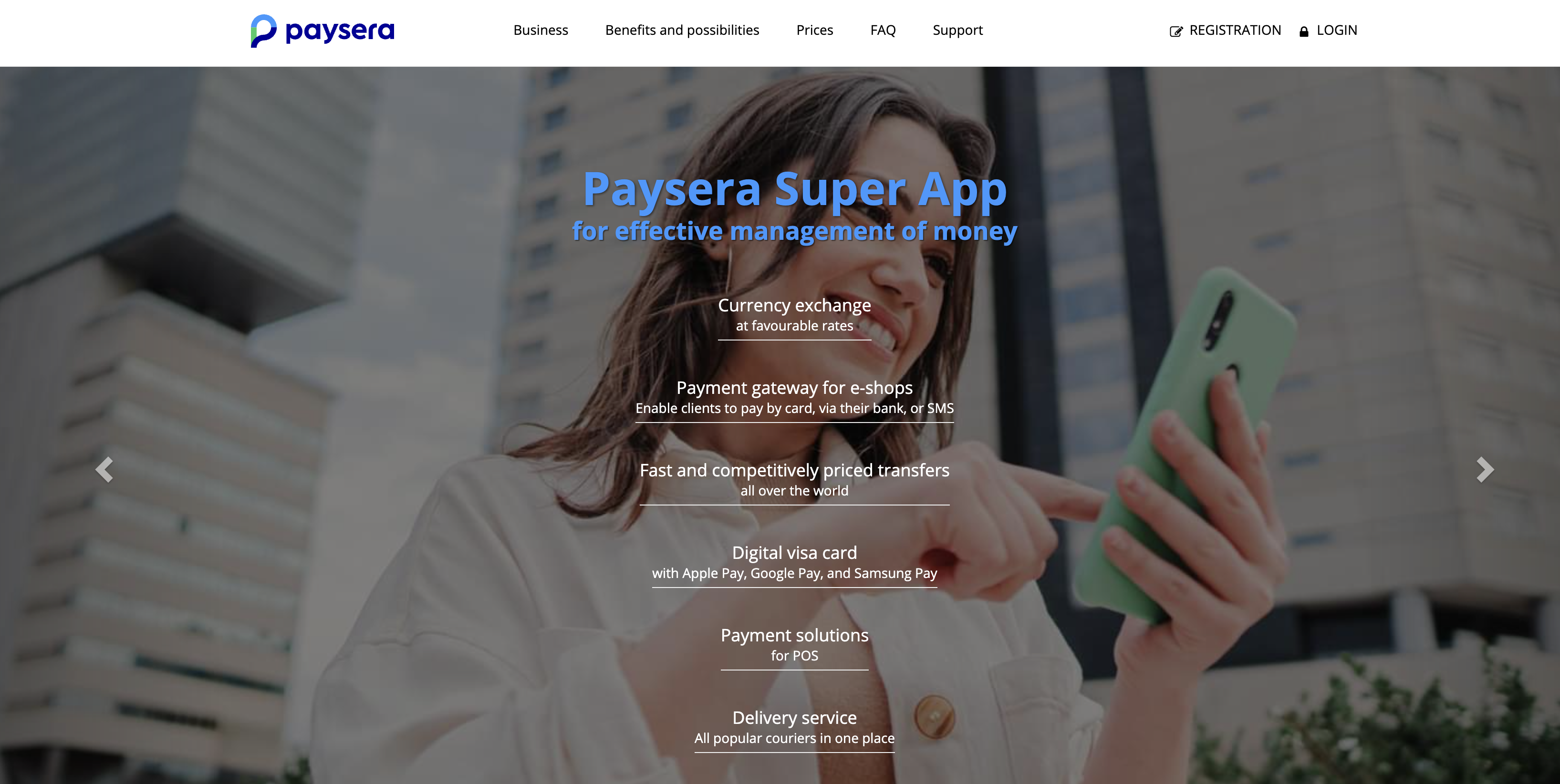
Paysera is a Lithuanian fintech company that has quietly built one of Europe's most comprehensive payment and banking platforms, serving millions of users across the continent. Rather than chasing hype, Paysera focuses on practical utility—combining payment processing, digital accounts, currency exchange, and invoicing tools into a single interface that works across borders and languages. The platform powers everything from freelancers managing invoices to SMEs handling payroll, while also offering consumer-facing services like multi-currency wallets and competitive exchange rates. What sets Paysera apart is its unglamorous pragmatism: it solves real friction in how Europeans move, spend, and manage money across different countries, without the startup theatrics. It's the kind of company that doesn't dominate headlines but has become indispensable infrastructure for a significant portion of the continent's digital economy. In the crowded European fintech landscape, where newer players chase consumer attention and legacy banks chase compliance, Paysera operates in the profitable middle—trusted by businesses and individuals who value reliability and cross-border simplicity over brand prestige.
Thought Machine builds the operating system for modern banking. Its Vault platform is a cloud-native core banking system that replaces the legacy infrastructure most banks still depend on—the kind that was written when personal computers were novel and the internet was optional. Rather than patching decades-old mainframes with band-aids, Vault lets banks modernize from the ground up, moving away from monolithic systems toward modular architecture that can actually adapt to change. The platform serves as the nervous system for digital banking, payment processing, and lending at scale, handling everything from transactions to regulatory compliance in real time. Thought Machine competes directly against vendors like Temenos and Finastra, but with a fundamentally different philosophy: born in the cloud, designed for APIs, built for speed. The company works with tier-one banks and ambitious challengers alike, essentially selling them the technical freedom to compete in fintech's pace rather than their legacy system's glacial timeline. In the broader European fintech ecosystem, Thought Machine represents the infrastructure layer that makes everything else possible—without modern core banking, the rest of the fintech revolution stays locked in legacy constraints.

Unblu operates in the unglamorous but essential territory where financial services meet customer service—the moment a bank customer needs live help and picks up their phone instead of abandoning their application. Rather than building another chatbot, Unblu created a platform that lets banks embed co-browsing and real-time video conversations directly into their digital channels, turning web pages and apps into collaborative workspaces where advisors and customers can actually see what the other is doing. The company targets financial institutions tired of losing conversions because their digital experiences feel abandoned. Unblu's platform sits between your app and your customer, enabling seamless handoffs from self-service to human guidance without the friction of traditional call centers. A user can be filling out a mortgage application, hit a question, and instantly video-call a specialist who sees their screen and can annotate, guide, and help in real time. What distinguishes Unblu in the European fintech infrastructure space is its focus on regulated financial use cases. Banks don't need another Silicon Valley-style collaboration tool; they need compliance-first interactions that work within PSD2, open banking, and data protection frameworks. Unblu has embedded this rigor into its platform rather than bolting it on afterward. The company serves a specific but high-value niche: banks and financial institutions that want to reduce abandonment rates, increase conversion, and do it through genuine human connection rather than algorithmic band-aids. In a landscape obsessed with APIs and automation, Unblu's bet is that sometimes the best digital experience is one that knows when to hand you a human.
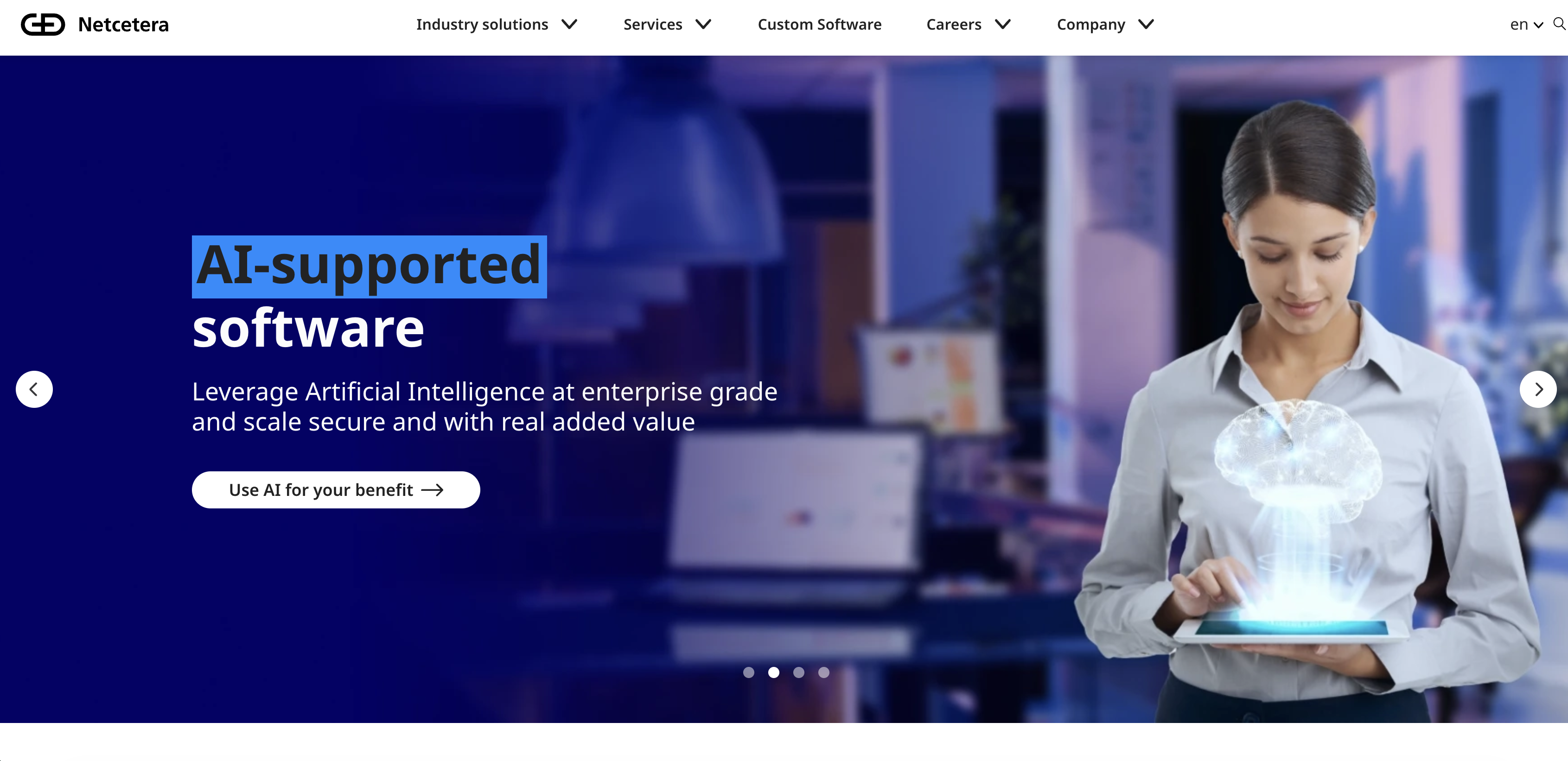
Netcetera is a Swiss-based financial software company that builds infrastructure for digital payments and banking. Rather than chasing flashy consumer apps, they focus on the unsexy but essential work of connecting banks, payment networks, and merchants through APIs and platforms that handle the plumbing beneath every transaction. Their reach spans card payments, mobile banking, and open banking rails—serving a global roster of financial institutions that need rock-solid, scalable technology rather than venture-backed disruption narratives. In markets where regulatory complexity and legacy system integration matter more than speed-to-market, Netcetera has quietly become indispensable. They approach fintech as a B2B engineering problem, not a consumer trend, which is exactly why you've never heard of them despite their work touching millions of transactions daily. The company represents a particular strain of European fintech: deeply technical, institution-friendly, and skeptical of hype. They're the kind of partner that traditional banks and payment processors turn to when they need to modernize without tearing everything down. In an ecosystem crowded with neobanks and consumer lending apps, Netcetera's unglamorous expertise in payment orchestration, card processing, and banking APIs underscores a fundamental truth about fintech infrastructure: the real value often hides behind the scenes, in systems nobody sees but everyone depends on.
Salt Edge is the open banking aggregator that sells to both sides of the same regulation. Its Open Banking Gateway is the familiar product: one API giving lenders, accounting software, personal finance apps and banks access to customer account data and — in the EU — payment initiation, with enrichment tools for transaction categorisation and merchant identification layered on top. Its second product is the mirror image: a PSD2 and open banking compliance solution sold to banks and EMIs that need to expose compliant APIs, including TPP verification, mobile SCA and consent management. That dual position is genuinely unusual and commercially clever. Every regulation that forces banks to open up creates two customers — the institution that must comply and the fintech that wants access — and Salt Edge sells to both. It also explains the distribution strategy: partnerships with core banking and engagement platforms including Finastra and Backbase, which put the compliance product inside the stack banks already run. On coverage, Salt Edge is at the broad end of the market — connections to over 5,000 financial institutions across 50-plus countries spanning Europe, APAC and the Americas, though payment initiation is EU-only. It was named a Strong Performer in Forrester's Open Banking Intermediaries Wave. The comparison worth drawing for this directory is with Enable Banking: both are aggregators, but Enable Banking is a fifteen-person Finnish company competing on a privacy-first, no-data-retention architecture with its own FIN-FSA registration, while Salt Edge competes on global breadth and the bank-side compliance product. One verification note before publishing: Salt Edge's corporate structure spans a Latvian presence and a registered entity in Ottawa, Canada, and different sources give different primary locations — worth confirming which entity you want in the country field.