Challenger banks Companies in Europe
Challenger banks are regulated banks that compete with established incumbent banks by offering better products, lower fees, and superior digital experiences. The term emerged in the UK to describe banks like Monzo, Starling, and Revolut that challenged the dominance of the high street banks. Unlike neobanks (which may operate as e-money institutions without a full banking licence), challenger banks typically hold banking licences and offer deposit-protected accounts.
European Challenger banks companies in our database
Notable challenger banks companies include Monzo, N26, Starling Bank, Inbank and Coverflex.
The founding team that built Monzo had all worked together before — at Starling Bank, another challenger startup that didn't survive its internal conflicts. Tom Blomfield, Gary Dolman, Jonas Huckestein, Jason Bates, and Paul Rippon left together in 2015 and started again. The product was initially a prepaid card — a coral-coloured piece of plastic that became one of the most recognisable objects in British fintech — before becoming a fully licensed current account in 2017. The early community was unusual for a bank: public engineering blogs, user forums, beta programmes, and a 2016 crowdfunding round that raised £1 million in 96 seconds, a world record. People felt ownership of the product in a way no high street bank had ever achieved, and that emotional connection became a durable competitive advantage. A decade on, the results have caught up with the mythology. For the year to March 2026, Monzo reported revenue of £1.71 billion, up 39%, with gross profit crossing £1 billion for the first time and a third consecutive year in the black — statutory pre-tax profit of £87.3 million, up 44%, or £172.6 million adjusted for restructuring charges and a roughly £21 million FCA fine over historical financial-crime control failings. The bank added a record three million customers to reach 15.2 million — one in five UK adults — with deposits up 55% to £25.7 billion, 1.6 million paying subscribers, and business banking growing 45% to 905,000 customers and 14% of revenue. Four separate income streams — current account balances, borrowing, payments, and wealth — each now clear £300 million. Half of active customers use Monzo as their primary bank, which shows up in the metric that anchors every valuation conversation: revenue per active personal customer of £167, against Revolut's £66. The gap is the difference between being someone's bank and being their travel card. Leadership and strategy both turned over during the year. Diana Layfield, a former Google executive, took over as CEO in February 2026 following TS Anil's departure — a transition shaped in part by board tensions over IPO venue and the company's UK concentration. Her first significant moves were decisive: Monzo closed its US operations entirely, and redirected the international ambition at Europe, where it secured a banking licence from the Central Bank of Ireland, launched in Ireland to a 100,000-person waitlist, and named Spain as the next market. The acquisition of digital mortgage broker Habito completed on 1 April 2026, giving the bank a capital-efficient route into mortgages — a product more than 550,000 customers were already tracking in the app. Costs rose with the ambition: the cost-to-income ratio ticked up to 74% as hiring and marketing accelerated. Monzo remains private, valued at approximately $5.9 billion in its 2024 secondary sale, and Layfield has told the FT she is "not in a hurry" to list. The strategic bet of this chapter is clear and genuinely contestable: that Monzo's deep-relationship, primary-bank model — expensive to build, lucrative per customer — can be exported to European markets where Revolut arrived a decade earlier with the opposite playbook. The UK numbers say the model works. Europe will say whether it travels.
Valentin Stalf and Maximilian Tayenthal started in Vienna in 2013 with a product that sounds strange now and sounded stranger then: a prepaid card for teenagers, controlled by their parents through an app. The pivot came quickly. What they had actually built was a mobile-first banking interface, and the teenagers were incidental. Relaunched as N26 and relocated to Berlin, it became the first of the European neobanks to look genuinely modern — instant push notifications on every transaction, sign-up in minutes by video identification, an interface that made incumbent German banking apps look like they had been designed by a committee, which they had. In 2016 N26 received its own full German banking licence from BaFin, three years after founding, an unusually fast route to becoming a real bank. Growth followed, and then the growth became the problem. BaFin, which had granted the licence, concluded that N26's controls had not scaled with its customer base. In 2021 the regulator imposed a growth cap limiting the bank to roughly 50,000 new customers per month — a restriction with no real precedent for a German bank — alongside a special monitor and fines relating to late suspicious activity reports. The cap was lifted in 2024 after substantial investment in compliance, financial crime prevention, and internal controls, but it cost N26 the better part of three years at exactly the moment Revolut and Monzo were compounding. The company also withdrew from the UK after Brexit and exited the US, narrowing to its European core. The company that emerged is a different one, and its leadership reflects that. Both founders have stepped back from executive roles, with Mike Dargan — previously group technology head at UBS — appointed chief executive. In August 2026 the refresh reached the rest of the C-suite: CFO Arnd Schwierholz, who steered the bank through the BaFin period, announced he is stepping away with a search under way for a successor, while N26 hired Nathalie Picquot from Santander as Chief Growth and Marketing Officer and Marcin Pakulnicki from ING as Chief Technology Officer. The pattern is unmistakable and increasingly common among mature neobanks: the executives now being recruited come from the incumbent banks the challengers were built to replace, because the problems have changed from product-market fit to regulatory scale. N26 serves millions of customers across the eurozone with a product set that has broadened well past the original current account — savings, investments including ETFs and crypto, insurance, and a subscription tier structure that has been the company's answer to interchange-dependent economics since long before that became fashionable. Its onboarding runs on Fourthline's identity verification, one of several European fintech supply-chain relationships this directory tracks. The strategic position is coherent but no longer leading: N26 is the eurozone-native neobank, strongest in Germany, Austria, France, Italy, and Spain, competing against a Revolut that is now valued at $115 billion and licensed on three continents, and a Monzo generating £1.7 billion in revenue from a single market. The three years spent fixing what BaFin found were three years not spent building, and the current chapter is about whether an institutionally rebuilt N26 can convert regulatory soundness back into growth.
Starling is a UK digital bank offering personal and business current accounts entirely through a mobile app, with no branches. Founded in January 2014 by Anne Boden, a former Allied Irish Banks COO, it secured a full UK banking licence in 2016 — a distinction that matters more than it sounds. Unlike neobanks that operate on a partner institution's licence, Starling is a bank in its own right, regulated by the FCA and PRA, with deposits FSCS-protected. It also built its own core banking technology rather than licensing someone else's, and that decision turned out to have a second act. Engine by Starling packages that technology as software-as-a-service and sells it to other banks: Salt Bank in Romania and AMP Bank in Australia were the first clients live on the platform, and Starling is now pushing Engine into North America and the Middle East, targeting what CEO Raman Bhatia has called a £100 billion addressable market. For a bank whose retail footprint stops at the UK border, Engine is the international growth story — and the reason Starling turns up in Banking-as-a-Service conversations as often as digital banking ones. The core bank remains strong but is no longer on a simple upward curve. Starling reported its fifth consecutive profitable year in 2026, with pre-tax profit of roughly £217 million on £887 million of revenue, serving around 3.5 million personal and business customers, and it has been named Which? Banking Brand of the Year three years running. But that result marked a second straight annual decline, after a 26% profit drop the year before, driven by provisions for pandemic-era Bounce Back Loan issues and a regulatory penalty. That penalty is the part most profiles leave out. In October 2024 the FCA fined Starling £29 million over anti-money laundering and sanctions screening failures, finding the bank had opened more than 54,000 accounts for high-risk customers in breach of an agreed restriction, and that its screening system had been checking customers against only a fraction of the UK sanctions list since 2017. Starling accepted the findings, apologised, and has invested heavily in remediation — but the episode illustrates the defining challenge of the challenger-bank model: compliance infrastructure that struggles to keep pace with customer growth. Anne Boden stepped down as CEO in 2023 and left the board in 2024. Raman Bhatia, formerly CEO of OVO and head of HSBC's UK and European digital bank, took over in 2024 and has spent his tenure working through the legacy issues while repositioning the company's growth story around Engine. The bank dropped "Bank" from its name in a September 2025 rebrand.
Specialised banking for consumer credit — focused on lending products distributed through merchant partnerships rather than building general-purpose retail banking — is a model with deeper European roots than the venture-backed BNPL conversation suggests. Inbank was founded in Tallinn in 2011 as a specialist lender focused on point-of-sale consumer credit, partnering with retailers across Estonia and the broader Baltic and Central European region to offer instalment finance at the moment of purchase. The company received a full Estonian banking licence and has built operations across Estonia, Latvia, Lithuania, Poland, and the Czech Republic, expanding from a domestic specialist into a Pan-European consumer finance bank. Inbank is publicly listed on the Nasdaq Tallinn exchange — one of the few publicly traded Baltic fintechs — giving it both the regulatory standing of a licensed bank and the funding access of a public company. Its product range covers point-of-sale finance, BNPL, and consumer deposit products, with merchant partnerships across automotive, electronics, home improvement, and other categories where consumers commonly finance purchases. In the European specialist consumer banking landscape, Inbank represents one of the more successful examples of a focused operator scaling across borders while maintaining the operational discipline of a regulated bank.
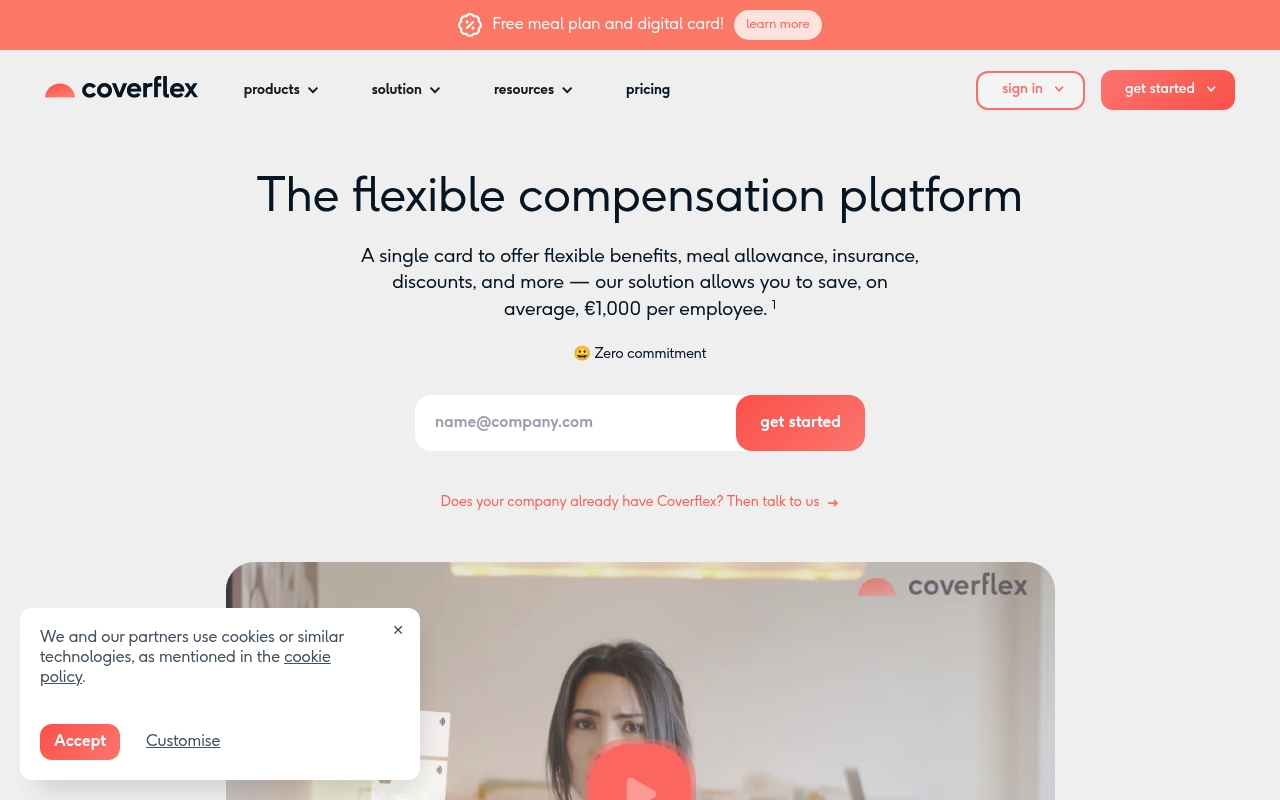
Coverflex is rewriting how freelancers and gig workers access financial security in Europe. Instead of the traditional employment model, the platform bundles flexible work with genuine benefits—health insurance, pension contributions, and paid leave—creating a middle path between employment and total independence. The company essentially flips the script on gig economy precarity. Workers stay independent contractors but gain access to protections that were previously locked behind 9-to-5 employment. Employers get a simpler way to hire flexible talent without managing traditional payroll complexity. It's a fundamentally different architecture for modern work. Coverflex operates across multiple European markets and has built a B2B2C model where companies use the platform to offer benefits to their contractor workforce. The business combines insurance brokerage, financial services coordination, and workplace infrastructure into one interface. In a landscape where gig work remains fragmented and precarious, Coverflex sits at the intersection of fintech and HR tech, solving a genuine gap in how Europe's growing contingent workforce accesses security and stability.
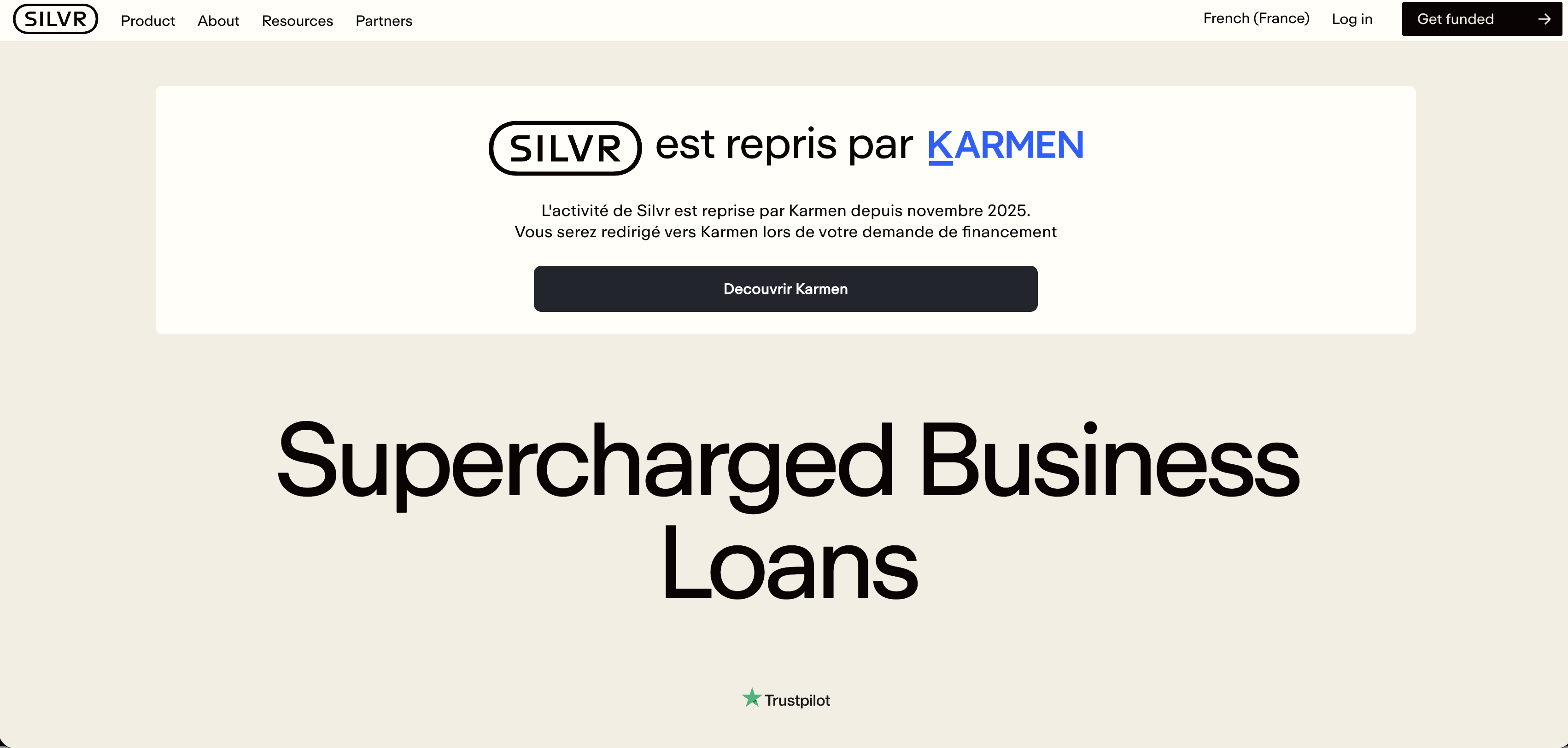
Silvr is a digital banking platform built specifically for the self-employed and freelance economy. The company targets creators, gig workers, and independent professionals who fall through the cracks of traditional banking—people running legitimate businesses but operating outside conventional employment structures. Rather than forcing them into generic business bank accounts designed for SMEs, Silvr offers tailored financial tools that actually reflect how modern independent work operates. The platform combines a business current account with integrated financial management features: invoicing, expense tracking, tax planning, and automated bookkeeping. Silvr handles the friction points that plague freelancers—irregular income patterns, complex tax obligations, cash flow volatility—by building visibility and automation directly into the banking layer. It's not a neobank trying to be all things to all people; it's purpose-built around the specific financial rhythm of self-employment. In a market dominated by legacy banks treating freelancers as afterthoughts and generic challenger banks treating them as just another customer segment, Silvr occupies a distinct position. It understands that the self-employed need different banking primitives, not just a prettier interface. The company sits at the intersection of business banking, fintech, and the creator economy—a segment the traditional sector has largely ignored. Silvr represents a broader fintech trend toward hyper-segmentation and behavioral specificity. Rather than chasing scale through mass-market appeal, it's building moat through deep product fit with an underserved but economically significant cohort.