Budgeting apps Companies in Europe
Budgeting apps help individuals and households plan and track spending against predefined targets across categories — groceries, rent, transport, subscriptions, and discretionary spending. Modern budgeting apps connect to bank accounts via open banking APIs, automatically categorise transactions, and provide real-time visibility into spending patterns. The best apps reduce the effort of budgeting to near zero by automating the data collection that manual budgeting has always required.
European Budgeting apps companies in our database
Notable budgeting apps companies include Fintonic, Avanza, Blackcat, FinFrog and Cleo.
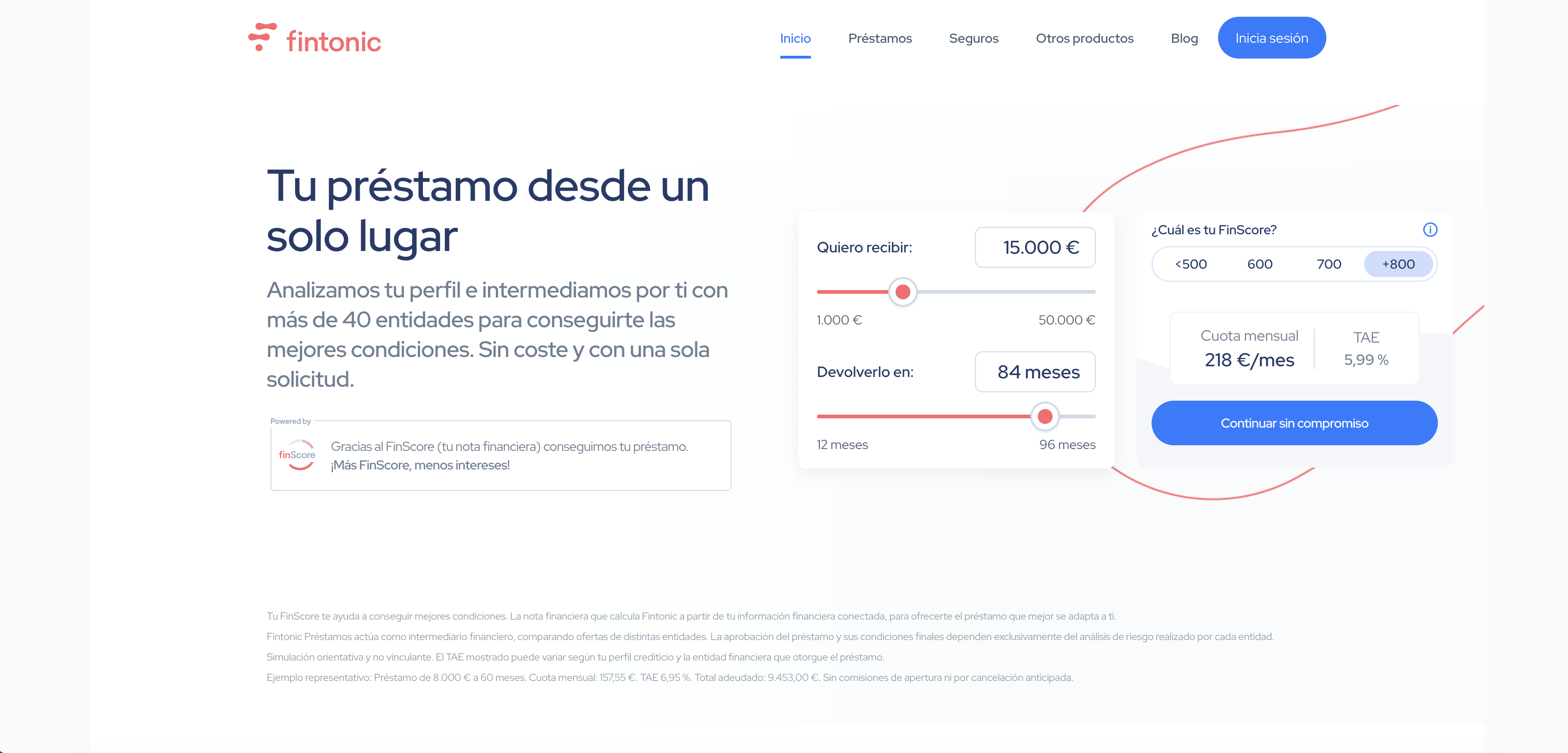
Fintonic is a Spanish fintech that has spent the better part of a decade helping everyday Europeans understand what they're actually spending money on. Rather than reinvent banking from scratch, it acts as a layer on top of your existing accounts—aggregating transactions, categorizing expenses, and surfacing insights that most banks still bury in PDF statements. The app feels less like financial software and more like a personal finance companion that speaks plain language. You link your bank accounts, and Fintonic does the unglamorous work: tracking subscriptions you forgot about, highlighting spending patterns, flagging unusual transactions. It's deliberately unglamorous work, because the real value sits in simplicity. What sets Fintonic apart in a crowded personal finance space is its focus on the European user. The platform understands local banking infrastructure, multi-currency households, and the specific pain points of cross-border living. It's not trying to be your investment platform or your savings app or your lending provider—it's trying to be the one thing most people actually need: clarity on money that's already moving. For a generation that finds traditional banking UX infuriating, Fintonic occupies the pragmatic middle ground: minimal, useful, and genuinely designed for how Europeans actually manage money.
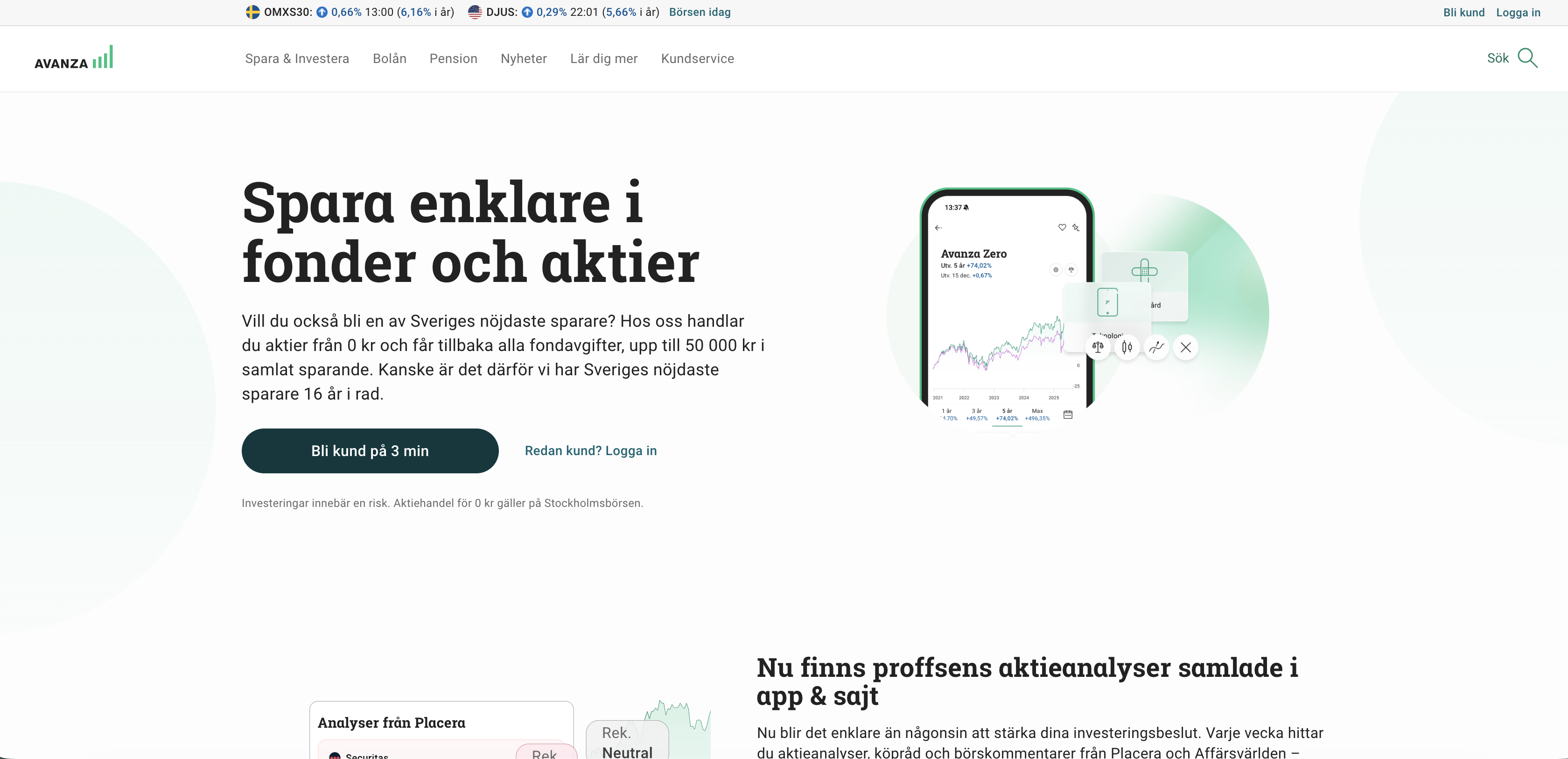
Avanza is Sweden's largest independent online brokerage, a no-frills investment platform that democratized stock trading for Swedish retail investors two decades ago. What started as a scrappy alternative to traditional banks has become the go-to app for millennials and Gen Z who want to trade, invest, and save without paying legacy banking fees. The platform strips away unnecessary complexity—no advisors, no jargon, just direct market access at transparent prices. Avanza operates in that interesting middle ground between a neobank and a pure trading platform. It offers savings accounts, pension accounts, and investment accounts with a sharp focus on user experience and low costs. The company has built a cultural following in Sweden, becoming almost synonymous with retail investing for a generation that views traditional brokers as relics. Beyond just equities and funds, Avanza has expanded into savings products, retirement planning, and financial education—positioning itself as a genuine financial companion rather than just a transaction layer. Its dominance in the Nordic market reflects a broader European shift toward direct-to-consumer investment platforms that compete on transparency, speed, and mobile-first design. Avanza exemplifies how fintech can win by doing one thing exceptionally well and then expanding thoughtfully into adjacent categories. The company's influence extends beyond Sweden into a broader shift in how younger Europeans think about investing: without gatekeepers, without unnecessary fees, and entirely on their own terms.
Blackcat is a German fintech platform designed to help freelancers and self-employed professionals manage their finances with minimal friction. Rather than forcing users into complex accounting workflows, Blackcat simplifies the entire money flow—from invoicing to tax filing—with a mobile-first interface that feels more like a consumer app than enterprise software. The platform tackles a real pain point in the European freelance economy: most existing tools are either bloated legacy systems or fragmented point solutions that don't talk to each other. Blackcat bundles invoicing, expense tracking, tax preparation, and business banking into one coherent experience, removing the cognitive load of juggling multiple services. What sets Blackcat apart is its opinionated approach to simplicity. Rather than mirroring traditional accounting software's feature sprawl, it prioritizes the workflows that matter most to freelancers—getting paid faster, documenting expenses, and staying tax-compliant without the headache. The platform's integration with German tax authorities and compliance frameworks positions it as particularly valuable in the DACH region, where self-employed taxation can be notoriously complex. In a market crowded with accounting tools and SME platforms, Blackcat represents a new generation of fintech that starts with the freelancer's actual needs rather than retrofitting legacy processes into a digital wrapper. It's part of a broader shift toward consolidated SME finance platforms that understand that complexity itself is the problem.
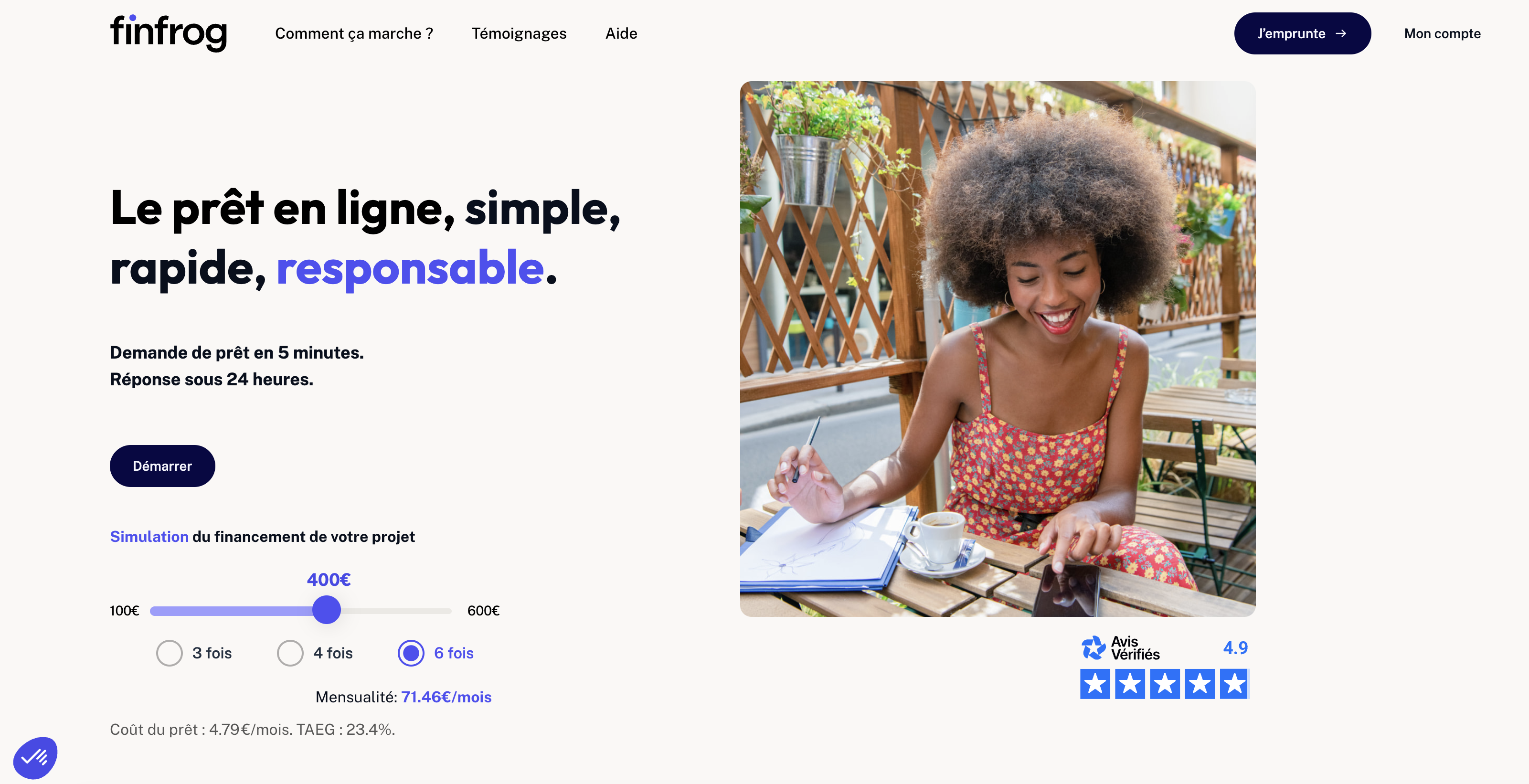
FinFrog is a French neobank designed for the Instagram generation—a mobile-first challenger that strips away the pretense of traditional banking and treats financial management like a social experience. Rather than positioning itself as a replacement for your main bank, FinFrog positions as the fun account you actually use, complete with spending analytics that actually make sense and a card that feels like an extension of your lifestyle rather than a financial obligation. The platform focuses on real-time spending visibility, automated savings mechanisms, and a philosophy that younger Europeans shouldn't have to tolerate clunky interfaces or hidden fees just to manage their money. It's built on the premise that financial literacy and engagement happen through friction-free, mobile-native experiences, not through apps bolted onto legacy systems. Within the European challenger banking landscape, FinFrog carves out space by leaning heavily into design and user experience clarity rather than attempting to be everything at once. While competitors chase feature bloat, FinFrog has maintained focus on core banking and budgeting fundamentals executed at a level that feels genuinely differentiated. As part of the broader shift toward mobile-first financial services in continental Europe, FinFrog represents the next wave of neobanks that treat banking as a utility that should be boring, fast, and actually yours—no corporate messaging, no pretense, just money that works.
Cleo is a financial wellness app that meets you where you actually live: in your phone. Rather than another banking dashboard or budgeting spreadsheet, Cleo uses conversational AI to help you understand your money in real time, spot spending patterns you'd otherwise miss, and make better decisions without the friction of traditional finance apps. The platform works as an intelligent money assistant embedded directly in your messaging apps—think of it as having a no-judgment financial coach in your pocket. It analyzes your transactions as they happen, flags unusual spending, alerts you to bills you might forget, and helps you save by automating small deposits when you have breathing room in your account. The experience feels less like finance and more like having a smart friend who actually knows your money. Cleo operates in a crowded personal finance space, but its conversational, AI-first approach sets it apart from traditional budgeting apps that rely on charts and dashboards. Where most money apps treat finance as a problem to be solved with data visualization, Cleo treats it as a conversation. The company has built significant traction across Europe and North America by making financial management feel natural and accessible rather than intimidating. In a fintech landscape increasingly built on APIs and automation, Cleo represents the human side of the equation—proving that sometimes the best financial tool is the one that feels less like a tool and more like advice from someone who gets it.
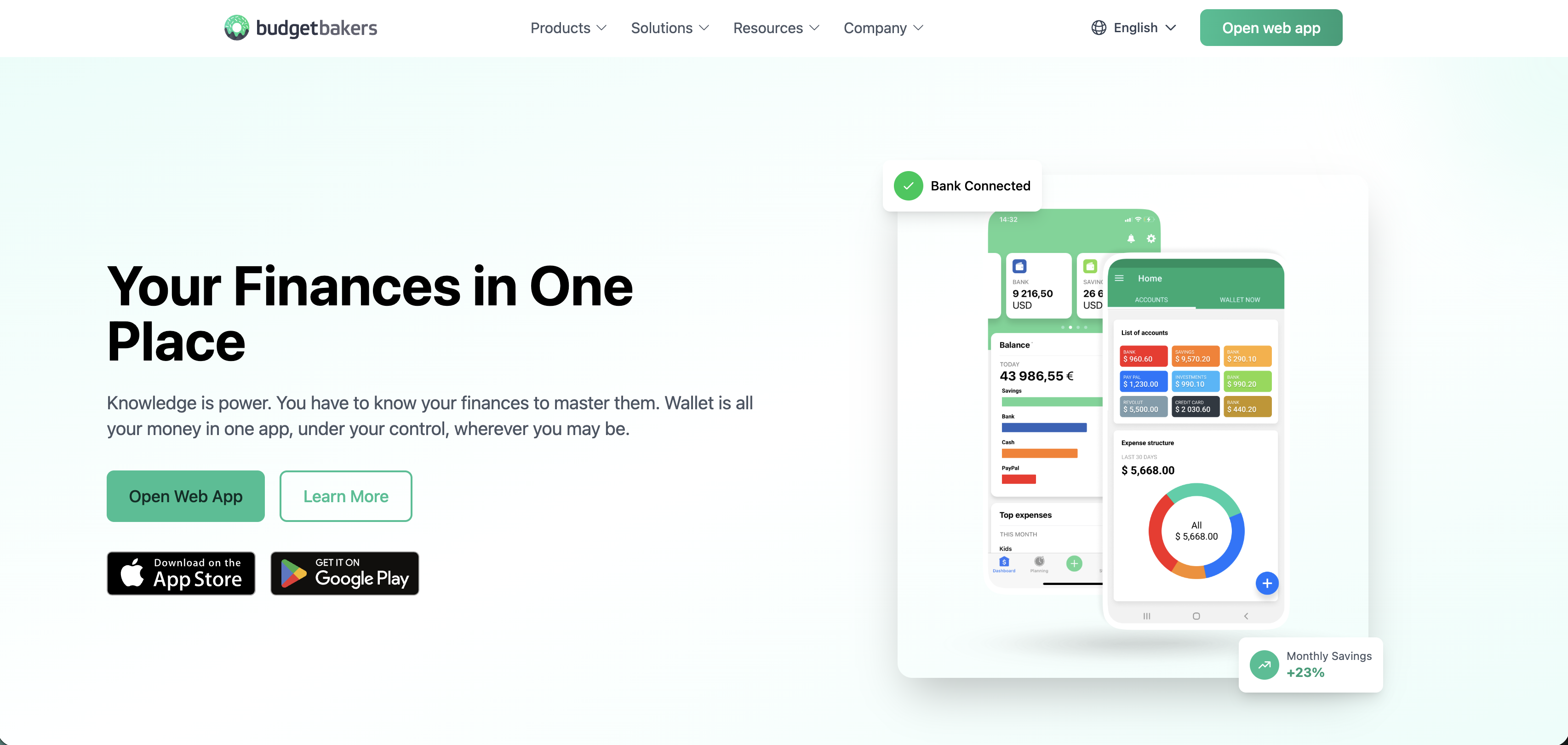
Budgeting apps have a retention problem. Most people download them enthusiastically, categorise their transactions for two weeks, and then quietly stop. BudgetBakers was founded in Prague in 2010 with a product philosophy built around making budgeting habitual rather than heroic — designing for the person who wants to be better with money but doesn't want budgeting to feel like a second job. Its Wallet app offers manual and automatic transaction tracking, budget management, and financial reporting across more than 50 countries and multiple currencies, with a clean interface that has earned it consistent recognition in app store rankings across Europe and beyond. The multi-currency, multi-country capability reflects a deliberate decision to build for a global audience rather than a single market — unusual for a Central European fintech that could easily have focused on the Czech and Slovak markets. BudgetBakers has built a substantial user base across Europe and emerging markets, monetising through a freemium subscription model that keeps the core product accessible while offering premium features to engaged users. In the personal finance app landscape, where most products are tied to specific banking ecosystems or regional markets, BudgetBakers' geographic neutrality is both a challenge and a genuine strength.