Private wealth tech Companies in Europe
Private wealth technology serves the specific needs of high-net-worth individuals and family offices — portfolio analytics, alternative investment access, consolidated reporting across asset classes, estate planning tools, and the complex tax and reporting requirements of significant wealth. Private wealth tech has been slower to digitise than mass-market investing, but platforms are emerging that bring the reporting transparency and operational efficiency of institutional investment management to private clients.
European Private wealth tech companies in our database
Notable private wealth tech companies include Artemundi, Anaxago, Liqid, Crealogix and Genome.
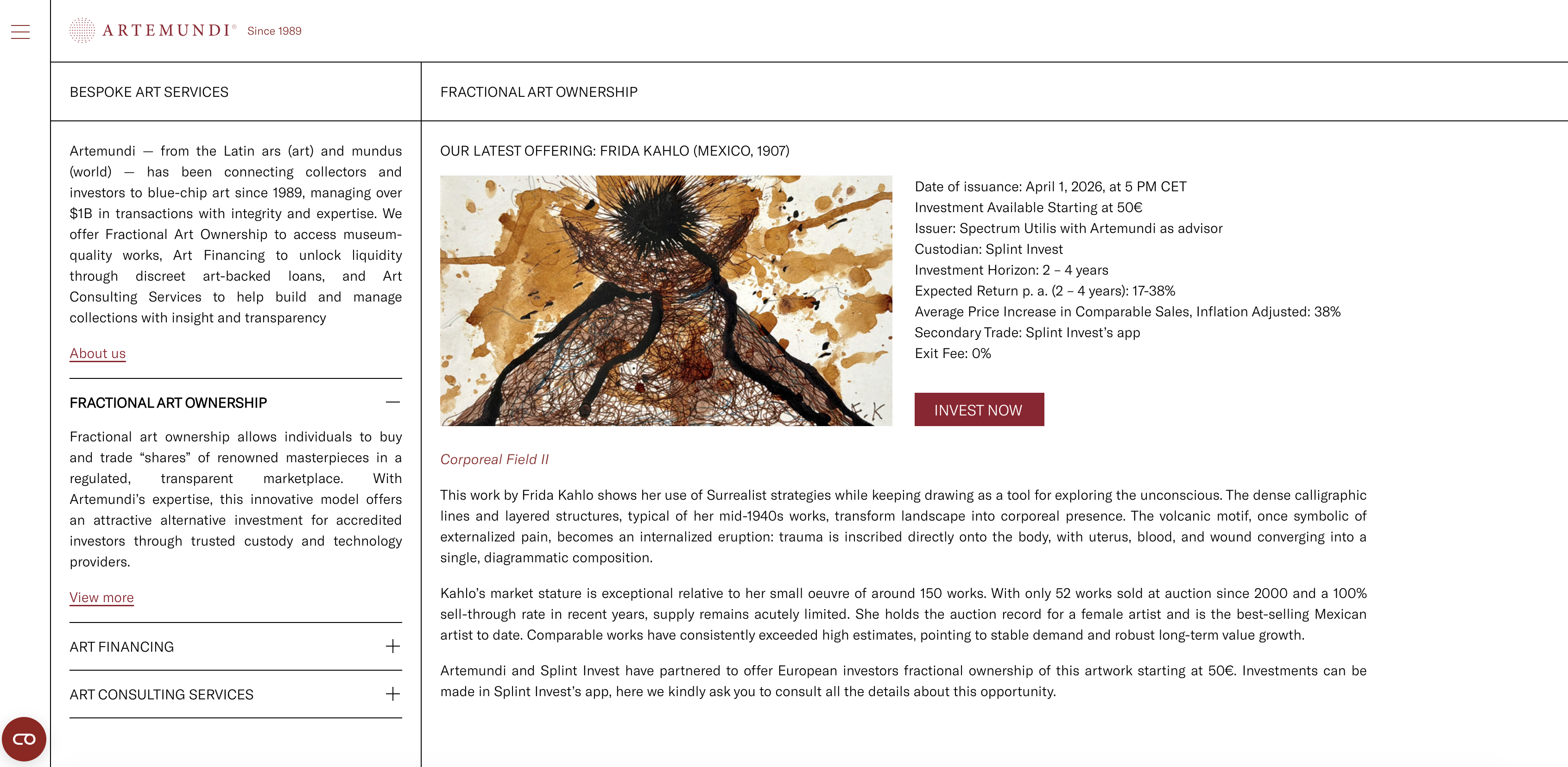
Artemundi is an alternative asset manager built for the modern wealth ecosystem. Rather than chasing traditional markets, the firm specializes in emerging market debt, private equity, and distressed assets—seeking returns where conventional investors see opacity. It's positioned at the intersection of hedge fund sophistication and institutional rigor, attracting wealth managers and sophisticated investors who understand that real returns often live outside the mainstream. The company runs multiple investment vehicles targeting different risk appetites and timeframes, each managed with the discipline of a tier-one institutional shop. Their approach combines deep emerging market expertise with operational rigor, allowing them to navigate complexity that smaller competitors cannot. This isn't retail wealth management repackaged; it's institutional-grade alternative investing for those who can access it. In the European wealth tech landscape, Artemundi represents the alternative asset class gatekeepers—firms that manage substantial capital across non-traditional strategies. While the fintech world obsesses over fractional shares and gamified trading, Artemundi operates in the space where serious capital allocation happens. They cater to family offices, pension funds, and institutional investors who view alternative assets as core portfolio components rather than exotic bets. The firm embodies a particular European investment philosophy: skepticism of index-heavy approaches, appetite for frontier markets, and belief that skilled managers can exploit inefficiencies where passive strategies cannot. In an era of wealth fragmentation and advisor tech disruption, Artemundi remains a destination for institutional-grade alternative returns.
Anaxago is a European investment platform that democratizes access to private market deals, letting retail investors back startups and SMEs that would normally require deep pockets and insider connections. The platform sidesteps the gatekeeping that has long defined venture capital, offering curated equity stakes in growth-stage companies across tech, real estate, and other sectors. Founded in 2014, it operates across multiple European markets and has processed hundreds of millions in investments, positioning itself as a bridge between ambitious entrepreneurs and everyday investors seeking portfolio diversification beyond public markets. What sets Anaxago apart is its focus on transparency and accessibility. Rather than opaque fund structures or minimum investment requirements that exclude ordinary savers, it lets users invest from relatively modest amounts while maintaining rigorous due diligence on every deal. The platform handles the mechanics of investment management, shareholder rights, and secondary market liquidity—functions that typically require armies of lawyers and compliance teams. It's part of a broader shift toward democratized finance, where technology makes previously exclusive opportunities available to anyone with capital and appetite for risk. In the European fintech landscape, where crowdfunding and alternative investment platforms have proliferated, Anaxago has carved out credibility through regulatory compliance, deal flow quality, and a genuine commitment to investor protection. It represents how fintech can unbundle traditional wealth management, making private market exposure a normal part of retail investing rather than a privilege reserved for the wealthy.

Liqid sits at the intersection of wealth management and digital-first banking, targeting European high-net-worth individuals who've outgrown traditional wealth advisors but cringe at the thought of a faceless robo-advisor. The platform bundles a private banking account with curated investment options and automated portfolio rebalancing, all wrapped in a sleek, mobile-native interface that feels more fintech than dusty wealth management. Unlike the gatekeeping of legacy private banks—where "advisor relationships" still mean lengthy phone calls with suits—Liqid lets you move money, adjust allocations, and access wealth tools on your own terms. It's pitched toward entrepreneurs, professionals, and inheritors who want sophistication without the theatrical relationship management. In the crowded European wealth tech space, Liqid differentiates through a combination of low account minimums relative to traditional private banking and a genuine focus on seamless digital experience. The platform also emphasizes transparency on fees and performance, a direct rebuke to the opaque commission structures that have defined wealth management for decades. Liqid represents a broader shift: the erosion of the exclusivity moat that private banking once enjoyed, replaced by meritocratic access and algorithmic precision.
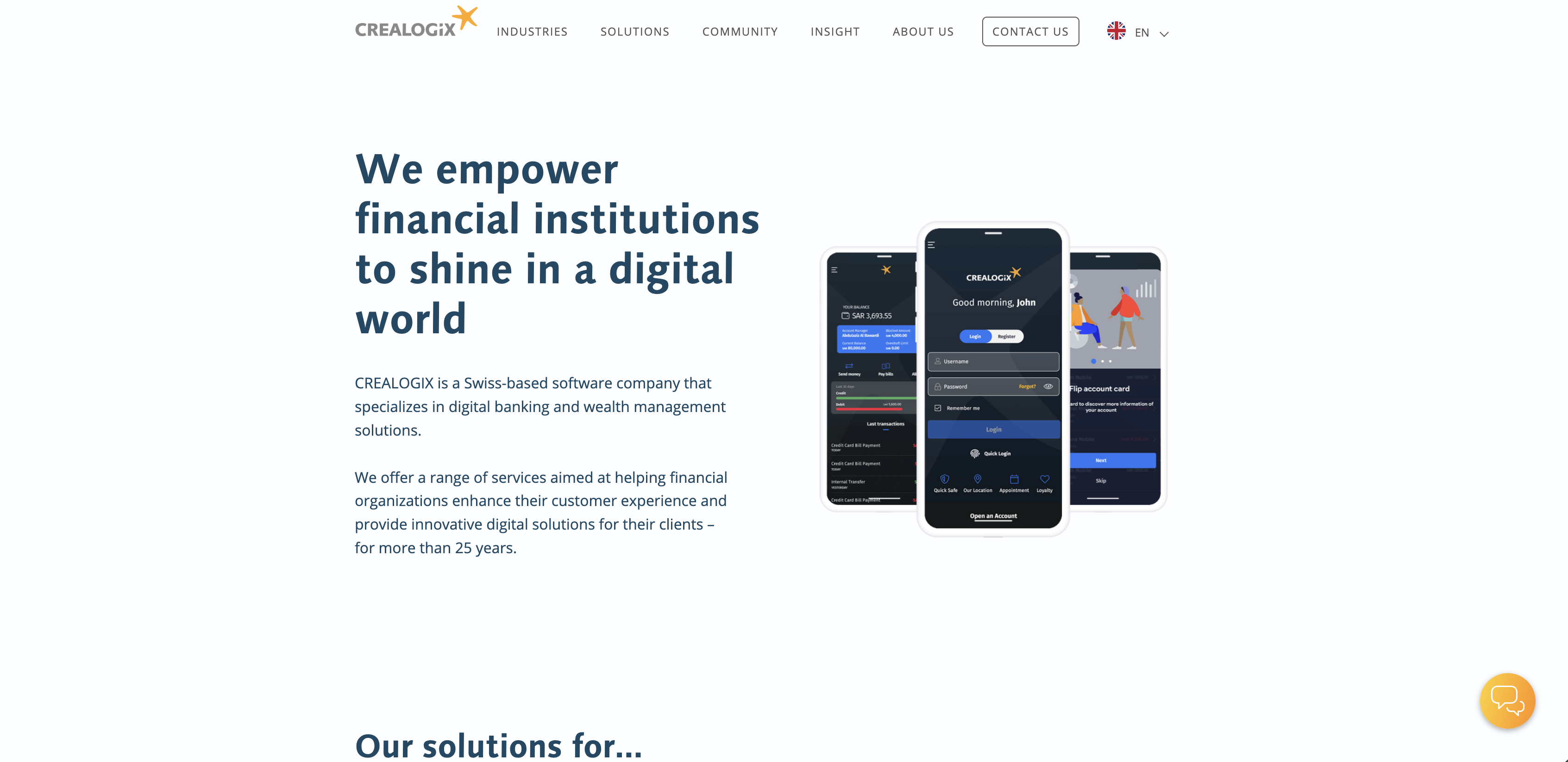
Crealogix is a Swiss fintech company that builds digital banking platforms for financial institutions across Europe. Rather than starting from scratch, banks and wealth managers plug into Crealogix's modular software suite to modernize their customer experience—covering everything from retail and corporate banking interfaces to wealth management portals and mobile apps. The company operates as an infrastructure play in the digital transformation space. Its platforms run on a microservices architecture, letting financial institutions pick and choose the components they need rather than ripping out legacy systems entirely. This approach has gained traction with mid-market and enterprise banks looking to compete with neobanks without the cost of a complete rebuild. Crealogix sits in a pragmatic middle ground between traditional banking software vendors and modern fintech disruptors. It's not trying to be a bank itself; instead, it partners with incumbents and increasingly with smaller financial institutions across German-speaking Europe and beyond. The company's strength lies in understanding both the technical demands of modern digital banking and the regulatory complexity that traditional banks navigate daily. In the evolving European fintech landscape, Crealogix represents the infrastructure generation—the companies enabling the banking industry's digital transition rather than replacing it entirely.

Genome is a Berlin-based fintech that turns fragmented financial data into actionable intelligence for wealth managers and family offices. Rather than forcing advisors to manually piece together client portfolios across multiple custodians and platforms, Genome aggregates real-time data and delivers a unified view—think of it as the operating system for complex wealth. The platform handles everything from portfolio monitoring and risk analysis to reporting and compliance, automating the grunt work that still consumes hours of advisor time each week. What sets Genome apart is its focus on the enterprise wealth management market, where institutional-grade infrastructure matters more than flashy consumer features. It works directly with private banks, wealth managers, and fintech platforms that need bulletproof data integration and regulatory compliance built in from day one. Most competitors in this space either build for consumers or offer clunky, legacy-style solutions; Genome approaches it like a modern API-first infrastructure layer. In the European context, where wealth management remains fragmented across countries and custody models, Genome's cross-border capabilities and multi-asset support address a real pain point. It's positioned as the connective tissue between traditional private banking and a new generation of digital-first advisors—not replacing advisors, but giving them the tools to scale and focus on actual strategy instead of data management.

Invesdor is a European equity crowdfunding platform that lets retail investors back early-stage companies and SMEs with growth potential. Founded in 2012, it operates across the Nordic and Baltic regions, democratizing access to private company investments that were once reserved for institutional players and high-net-worth individuals. The platform handles everything from deal sourcing and due diligence to investor communication and cap table management, removing friction from what is traditionally a complex, opaque process. Unlike traditional venture capital, which concentrates returns among a select few, Invesdor allows ordinary Europeans to own pieces of interesting companies—from deeptech startups to established SMEs looking to scale. The company has facilitated hundreds of millions in funding across its markets, positioning itself as the go-to platform for anyone serious about alternative investing. In a landscape crowded with robo-advisors and passive ETF apps, Invesdor stands apart by offering real company ownership and direct founder engagement. It's become essential infrastructure for the European entrepreneurial ecosystem, bridging the funding gap for companies too ambitious for traditional bank loans but too early for institutional VCs.