DatabaseCategoriesServicesCountriesArticlesNewsletterRequest listing
HomeCategoriesEmbedded FinanceEmbedded insurance (fin)
Embedded Finance

Embedded insurance (fin) Companies in Europe

4 companies·4 countries·Updated August 2026

Embedded insurance integrates insurance products directly into the purchase or usage journey of a product or service — flight cancellation cover at a travel booking checkout, device insurance alongside a purchase, or gig worker injury cover within a platform app. Distribution at the point of need dramatically increases insurance uptake compared to standalone marketing, and the data available from the distribution partner often enables more accurate underwriting and better pricing.

European Embedded insurance (fin) companies in our database

Notable embedded insurance (fin) companies include Zego, Coverflex, Qover and wefox.
Zego
Zego🇬🇧
Est. 2016

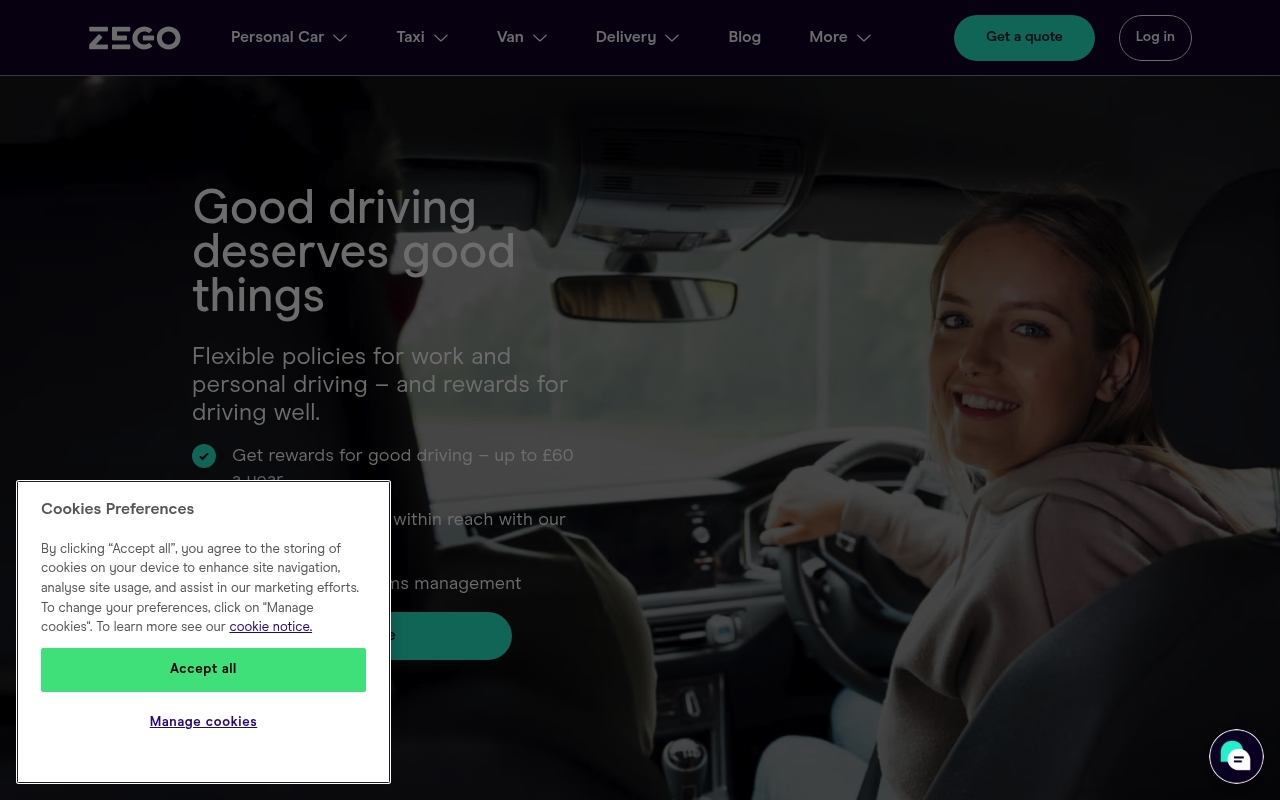
Zego sells insurance built for the gig economy—a category that barely existed five years ago and now moves faster than traditional underwriting can handle. The London-based insurtech operates in a space where traditional insurers still treat gig workers as afterthoughts, bundling them into outdated categories. Zego flips this. It offers flexible, pay-as-you-go coverage for delivery riders, couriers, and other flexible workers across Europe, with pricing that reflects actual usage rather than punishing people for working on their own terms. The product feels native to how gig workers actually live. Rather than forcing annual commitments or minimum coverage periods, Zego lets users activate insurance by the hour or day, paying only for what they use. The claims process is digital and friction-light—something traditional insurers have promised but rarely delivered. Behind the interface sits real underwriting AI that prices risk dynamically, allowing Zego to write policies that make sense for both the worker and the business. In Europe's fragmented insurance market, Zego stands apart from pure distribution plays and legacy brokers by owning the underwriting function. It's not an aggregator slapping a UI on existing products; it's a real insurer rethinking the fundamentals. The company has grown quickly because it identified a timing mismatch: millions of people already working in the gig economy waiting for insurance that matched their reality, not their employment status. Zego represents the emerging pattern in European insurtech: not trying to replace all insurance, but dominating one slice deeply and building unit economics that work. It's carved out a defensible position in a category that traditional players still don't quite understand.

Coverflex
Coverflex🇵🇹
Est. 2020

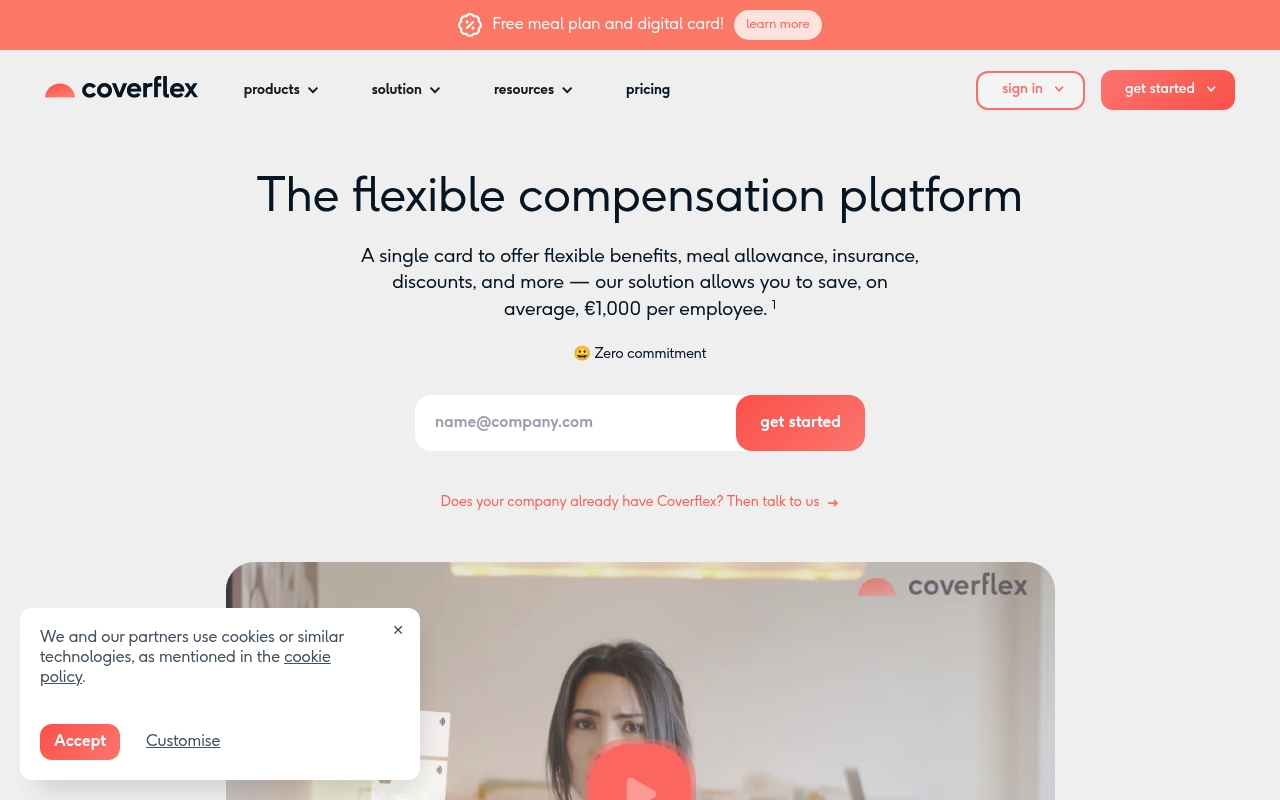
Coverflex is rewriting how freelancers and gig workers access financial security in Europe. Instead of the traditional employment model, the platform bundles flexible work with genuine benefits—health insurance, pension contributions, and paid leave—creating a middle path between employment and total independence. The company essentially flips the script on gig economy precarity. Workers stay independent contractors but gain access to protections that were previously locked behind 9-to-5 employment. Employers get a simpler way to hire flexible talent without managing traditional payroll complexity. It's a fundamentally different architecture for modern work. Coverflex operates across multiple European markets and has built a B2B2C model where companies use the platform to offer benefits to their contractor workforce. The business combines insurance brokerage, financial services coordination, and workplace infrastructure into one interface. In a landscape where gig work remains fragmented and precarious, Coverflex sits at the intersection of fintech and HR tech, solving a genuine gap in how Europe's growing contingent workforce accesses security and stability.

Qover
Qover🇧🇪
Est. 2016

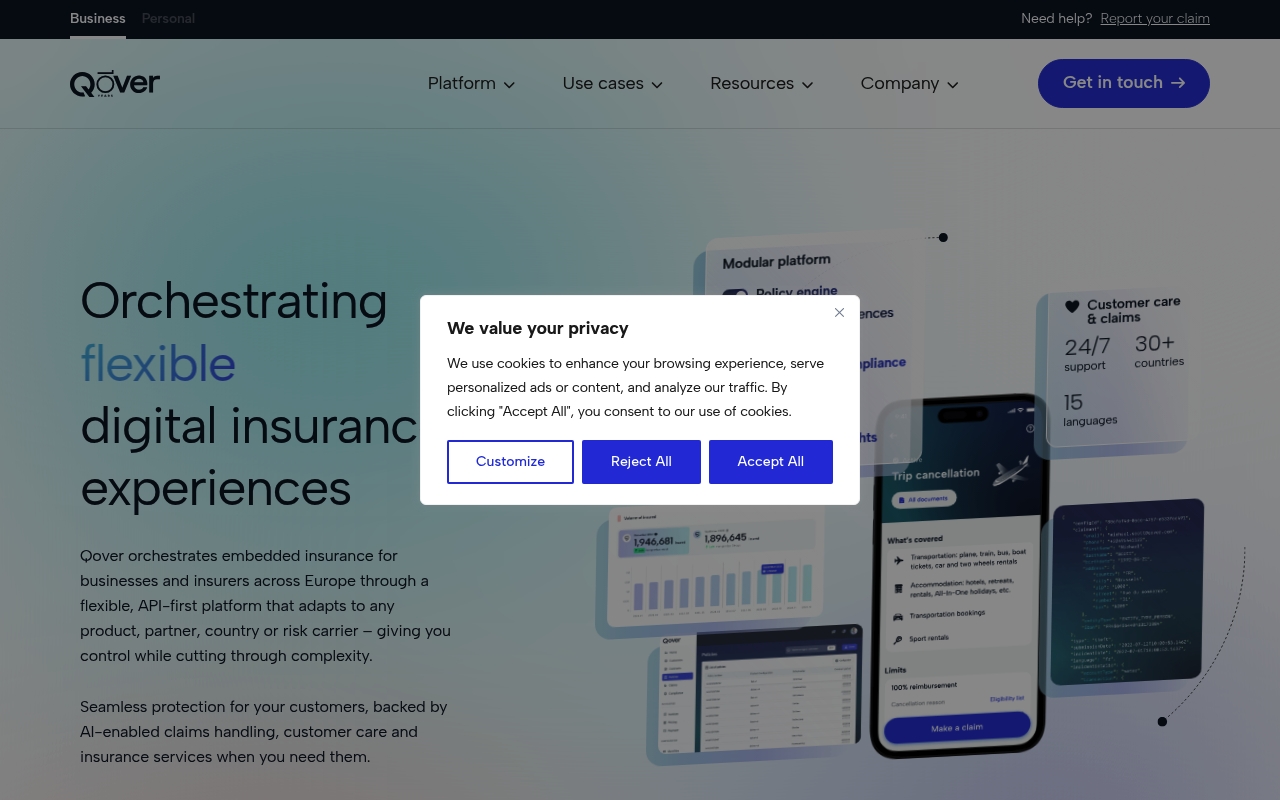
Qover sits in the gap between insurance carriers, who have capital and licences but poor distribution, and consumer brands, who have millions of engaged users but no interest in becoming insurers. Founded in Brussels in 2016 by Quentin Colmant — previously a senior figure at Allianz Benelux — and Jean-Charles Velge, it built an API-first orchestration platform that lets a company embed insurance as a native feature of its own product, with Qover handling the regulatory, carrier and lifecycle complexity underneath. The partner list is the argument. Qover powers embedded insurance programmes for Revolut, Monzo, bunq, Mastercard, BMW, Deliveroo, Canyon, Cowboy and Trust Travel (a TUI brand), across more than 32 countries. Those are wildly different use cases — travel cover inside a banking app, device protection alongside a purchase, injury cover for gig workers — running on the same orchestration layer, which is the point: the platform's value is that cross-border insurance distribution becomes a configuration problem rather than a licensing project in every market. Ten years in, the numbers are respectable rather than explosive: around 15 million people protected, over $173 million in gross written premiums, revenue tripled over four years, and total funding past $100 million. The most recent raise, in March 2026, is itself informative — a $12 million growth capital facility from CIBC Innovation Banking rather than an equity round, which is what a company does when it wants runway without dilution and believes its economics support debt. The stated targets are ambitious to the point of requiring scrutiny: 55 million people protected by the end of 2026, up from 15 million, and 100 million by 2030. That trajectory depends almost entirely on a small number of very large partners rolling out programmes on schedule — which is both the strength and the concentration risk of the orchestration model.

wefox
wefox🇨🇭
Est. 2015

Wefox is a digital insurance broker that cuts through the noise of traditional insurance shopping. Rather than piecing together quotes from multiple providers, customers get personalized coverage recommendations through a streamlined mobile-first platform. The company bundles home, auto, and pet insurance into a single digital experience, handling everything from comparison to claims—no brokers in grey suits required. What sets wefox apart in Europe's insurance landscape is its focus on simplicity. While legacy brokers still rely on phone calls and paperwork, wefox does the legwork algorithmically, comparing hundreds of policies in seconds and presenting only the relevant options. The interface feels less like insurance shopping and more like opening a fintech app. The company operates across multiple European markets, building a tech-forward alternative to the tired insurance broker model. It's positioned as insurance for people who'd rather not think about insurance—until they need to claim. In the broader fintech ecosystem, wefox represents a straightforward play on distribution innovation: taking an opaque, offline-first industry and making it transparent, fast, and mobile-native.

Related in Embedded Finance
Embedded payments (46)Embedded lending (17)White-label finance (8)Fintech APIs for SaaS (7)
Browse all Embedded Finance companies →

Frequently asked questions

How many Embedded insurance (fin) companies are there in Europe?
The fintechdatabase.eu directory lists 4 Embedded insurance (fin) companies across 4 European countries.
What are the biggest Embedded insurance (fin) companies in Europe?
The most popular Embedded insurance (fin) companies in the directory are Zego, Coverflex and Qover.
Which European countries have the most Embedded insurance (fin) companies?
Belgium, Switzerland and Portugal have the most Embedded insurance (fin) companies in Europe.