Claims automation Companies in Europe
Claims automation platforms reduce the time and cost of processing insurance claims by replacing manual assessment workflows with software. Computer vision can assess damage from photographs; rules engines can approve straightforward claims automatically; AI can flag potentially fraudulent claims for human review. Faster claims processing directly improves customer satisfaction — the moment of claiming is when insurance relationships are made or broken — while reducing the operational cost that makes insurance expensive.
European Claims automation companies in our database
Notable claims automation companies include Omnius, Zego, Friday, Qover and KBC.

Omnius is a European fintech infrastructure player that builds the plumbing for digital finance. Rather than launching consumer apps or chasing trends, the company focuses on giving financial institutions and fintech operators the core technology to move faster. The platform handles payment processing, account management, and the underlying APIs that let banks and non-banks operate at scale without reinventing the wheel. What distinguishes Omnius in a crowded infrastructure market is its pragmatic approach to complexity. European banks still manage legacy core systems alongside new digital channels—a messy, expensive reality most fintech companies ignore. Omnius doesn't fight that; it sits in the middle, connecting old and new, and abstracts the chaos away from the business logic above it. The company targets institutions that need to modernize faster than their technology stacks allow. That includes challenger banks that need banking-as-a-service foundations, traditional banks building new digital channels, and fintech companies that want to scale without owning every layer. It's unsexy infrastructure work—the kind that doesn't generate headlines but quietly powers the financial services layer that consumers interact with. In the European fintech stack, Omnius occupies a critical but overlooked position: the vendor that lets faster companies stay fast, and slower ones move at all.
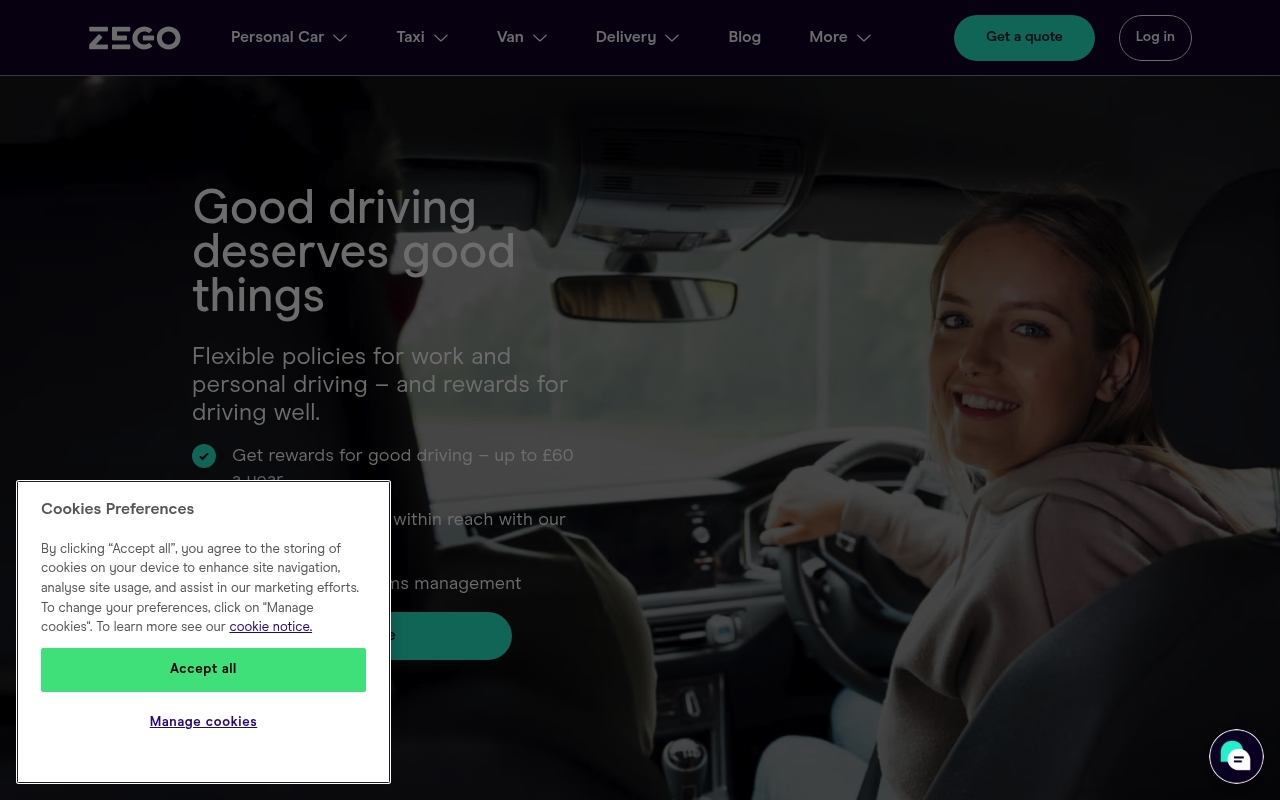
Zego sells insurance built for the gig economy—a category that barely existed five years ago and now moves faster than traditional underwriting can handle. The London-based insurtech operates in a space where traditional insurers still treat gig workers as afterthoughts, bundling them into outdated categories. Zego flips this. It offers flexible, pay-as-you-go coverage for delivery riders, couriers, and other flexible workers across Europe, with pricing that reflects actual usage rather than punishing people for working on their own terms. The product feels native to how gig workers actually live. Rather than forcing annual commitments or minimum coverage periods, Zego lets users activate insurance by the hour or day, paying only for what they use. The claims process is digital and friction-light—something traditional insurers have promised but rarely delivered. Behind the interface sits real underwriting AI that prices risk dynamically, allowing Zego to write policies that make sense for both the worker and the business. In Europe's fragmented insurance market, Zego stands apart from pure distribution plays and legacy brokers by owning the underwriting function. It's not an aggregator slapping a UI on existing products; it's a real insurer rethinking the fundamentals. The company has grown quickly because it identified a timing mismatch: millions of people already working in the gig economy waiting for insurance that matched their reality, not their employment status. Zego represents the emerging pattern in European insurtech: not trying to replace all insurance, but dominating one slice deeply and building unit economics that work. It's carved out a defensible position in a category that traditional players still don't quite understand.
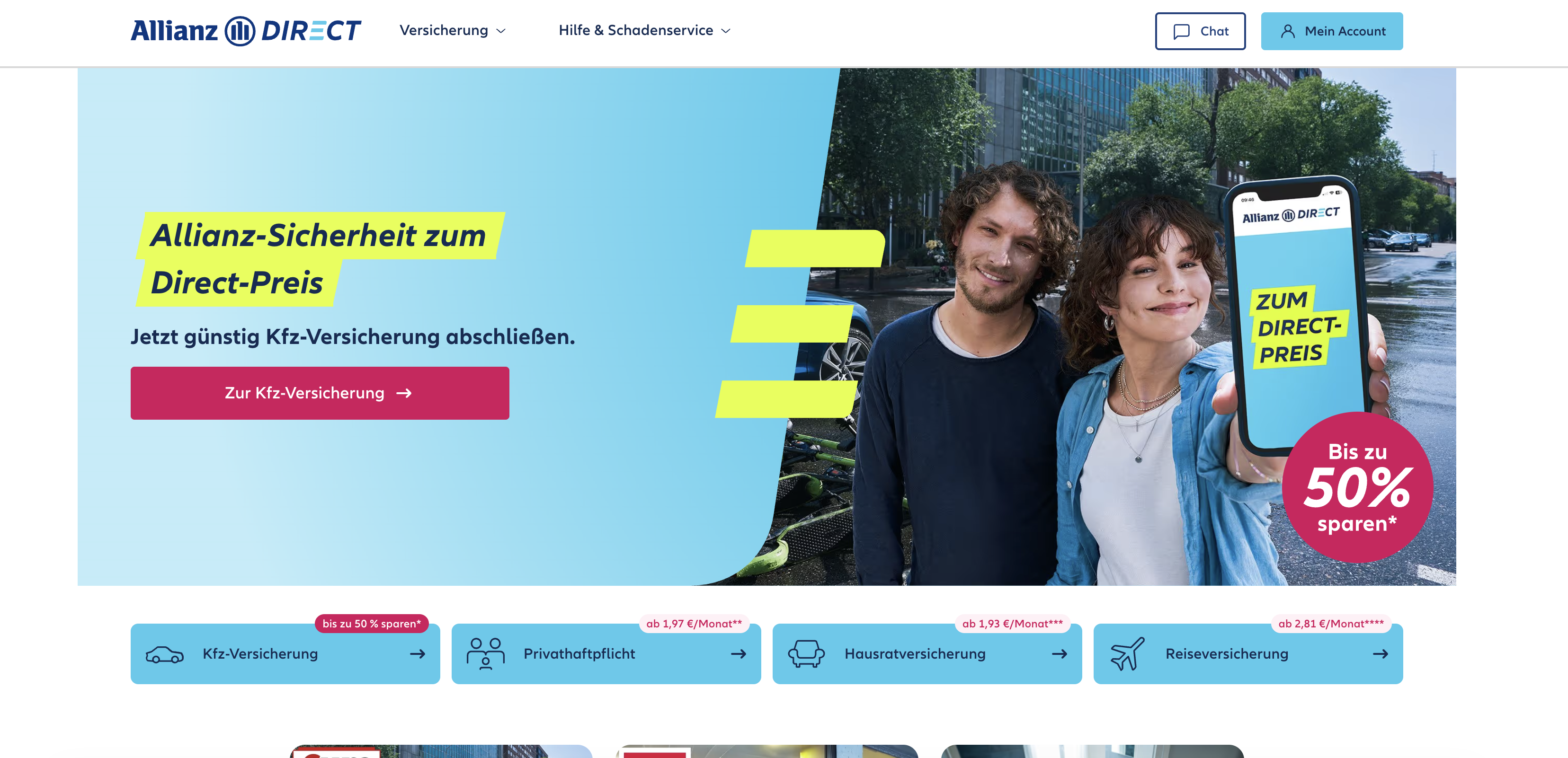
Friday is a German insurtech startup that strips away the complexity of traditional insurance by letting customers buy, manage, and claim on policies entirely through a mobile app. Rather than navigating websites or calling customer service, you open your phone and handle everything in minutes—policies update in real time, claims process faster, and the whole experience feels less like insurance bureaucracy and more like using any other modern app. The company has built its own digital infrastructure to power this, partnering with established insurers to distribute coverage while keeping the interface simple and user-centric. That approach—and the traction it generated—ultimately drew the attention of major industry players. Friday was acquired by Allianz Direct, the direct-to-consumer arm of Allianz. The acquisition signals a broader shift in the insurance industry: incumbents are no longer just competing with insurtech startups—they’re absorbing them to accelerate their own digital transformation. For Allianz Direct, Friday’s mobile-first infrastructure and user-centric design offer a ready-made blueprint for modernizing insurance at scale. What separates Friday from the legacy competition is its refusal to compromise on mobile-first design. Most traditional insurers treat their apps as an afterthought to their web platforms; Friday builds everything mobile-first from the ground up. You can buy comprehensive or liability coverage, adjust your policy mid-term without penalty, and file a claim with photos and geolocation data—no forms, no waiting on hold. The backend integrates with reinsurers and partners, but customers never see that complexity. In the crowded German insurtech space, Friday occupies a distinctive position as a pure-play mobile insurer focused on car insurance and extending into other categories. Now, under Allianz Direct, it sits at the intersection of startup agility and corporate scale. It competes with both digitally native players and the slow-moving incumbents, but its advantage lies in aggressive user experience combined with the financial strength and distribution reach of its parent. For younger Germans who grew up expecting frictionless digital services, Friday represents what insurance should feel like in the modern era—now backed by one of the largest insurance groups in the world.
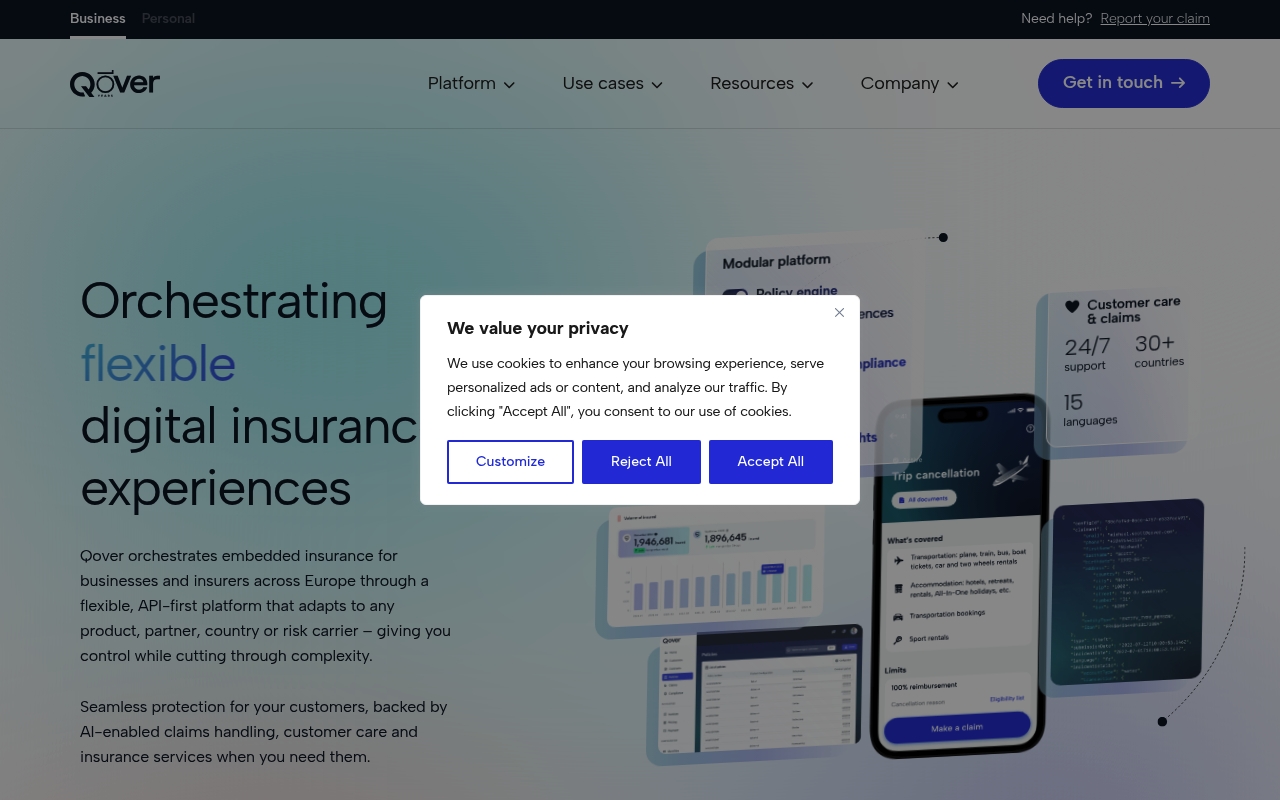
Qover sits in the gap between insurance carriers, who have capital and licences but poor distribution, and consumer brands, who have millions of engaged users but no interest in becoming insurers. Founded in Brussels in 2016 by Quentin Colmant — previously a senior figure at Allianz Benelux — and Jean-Charles Velge, it built an API-first orchestration platform that lets a company embed insurance as a native feature of its own product, with Qover handling the regulatory, carrier and lifecycle complexity underneath. The partner list is the argument. Qover powers embedded insurance programmes for Revolut, Monzo, bunq, Mastercard, BMW, Deliveroo, Canyon, Cowboy and Trust Travel (a TUI brand), across more than 32 countries. Those are wildly different use cases — travel cover inside a banking app, device protection alongside a purchase, injury cover for gig workers — running on the same orchestration layer, which is the point: the platform's value is that cross-border insurance distribution becomes a configuration problem rather than a licensing project in every market. Ten years in, the numbers are respectable rather than explosive: around 15 million people protected, over $173 million in gross written premiums, revenue tripled over four years, and total funding past $100 million. The most recent raise, in March 2026, is itself informative — a $12 million growth capital facility from CIBC Innovation Banking rather than an equity round, which is what a company does when it wants runway without dilution and believes its economics support debt. The stated targets are ambitious to the point of requiring scrutiny: 55 million people protected by the end of 2026, up from 15 million, and 100 million by 2030. That trajectory depends almost entirely on a small number of very large partners rolling out programmes on schedule — which is both the strength and the concentration risk of the orchestration model.
KBC is a large integrated financial services group headquartered in Belgium, offering retail banking, insurance, and investment services across Belgium, Czech Republic, Hungary, and Slovakia. Founded in 1998 through a merger, it operates as a universal bank serving millions of customers through its retail banking division, which provides checking accounts, savings products, mortgages, and personal loans alongside comprehensive insurance offerings and wealth management services. The group maintains a significant digital presence with mobile and online banking platforms, competing in a crowded European banking landscape where traditional universal banks are increasingly challenged by digital-native challengers and specialized fintech players. KBC represents the established institutional player—well-capitalized, heavily regulated, and built on decades of branch infrastructure—while navigating the shift toward digital-first customer expectations and open banking standards that are reshaping traditional banking economics across the continent.
Alan is rewriting health insurance for the digital age, stripping away the bureaucratic drag that makes traditional coverage feel like a relic. The Paris-based insurtech startup treats health protection as something that should integrate seamlessly into daily life rather than a quarterly bill you dread opening. Using AI and real-time data, Alan automates claims processing, cuts administrative friction, and lets users manage their coverage through a clean mobile app. What sets Alan apart is its focus on speed and transparency. Most European health insurers still operate like they're managing paper files; Alan processes claims in days, not months, and explains costs upfront instead of hiding them in fine print. The company serves both individuals and SMEs across France, Belgium, Spain, and beyond, positioning itself as the insurance provider for people who actually understand technology. In a market where health insurance feels synonymous with frustration, Alan's role is to prove that coverage can be simple, fast, and genuinely customer-centric.