Digital insurers Companies in Europe
Digital insurers are insurance companies that deliver consumer insurance products — health, travel, pet, home, life, and device coverage — entirely through digital channels. The digital insurance proposition focuses on experience: faster applications, clearer pricing, transparent policy terms, and claims submitted through an app rather than by post. European digital insurers like Wefox, Clark, and Getsafe have grown by offering a product experience that traditional insurers have been slow to match.
European Digital insurers companies in our database
Notable digital insurers companies include Clark, Zego, Coverflex, Friday and Admiral Group.
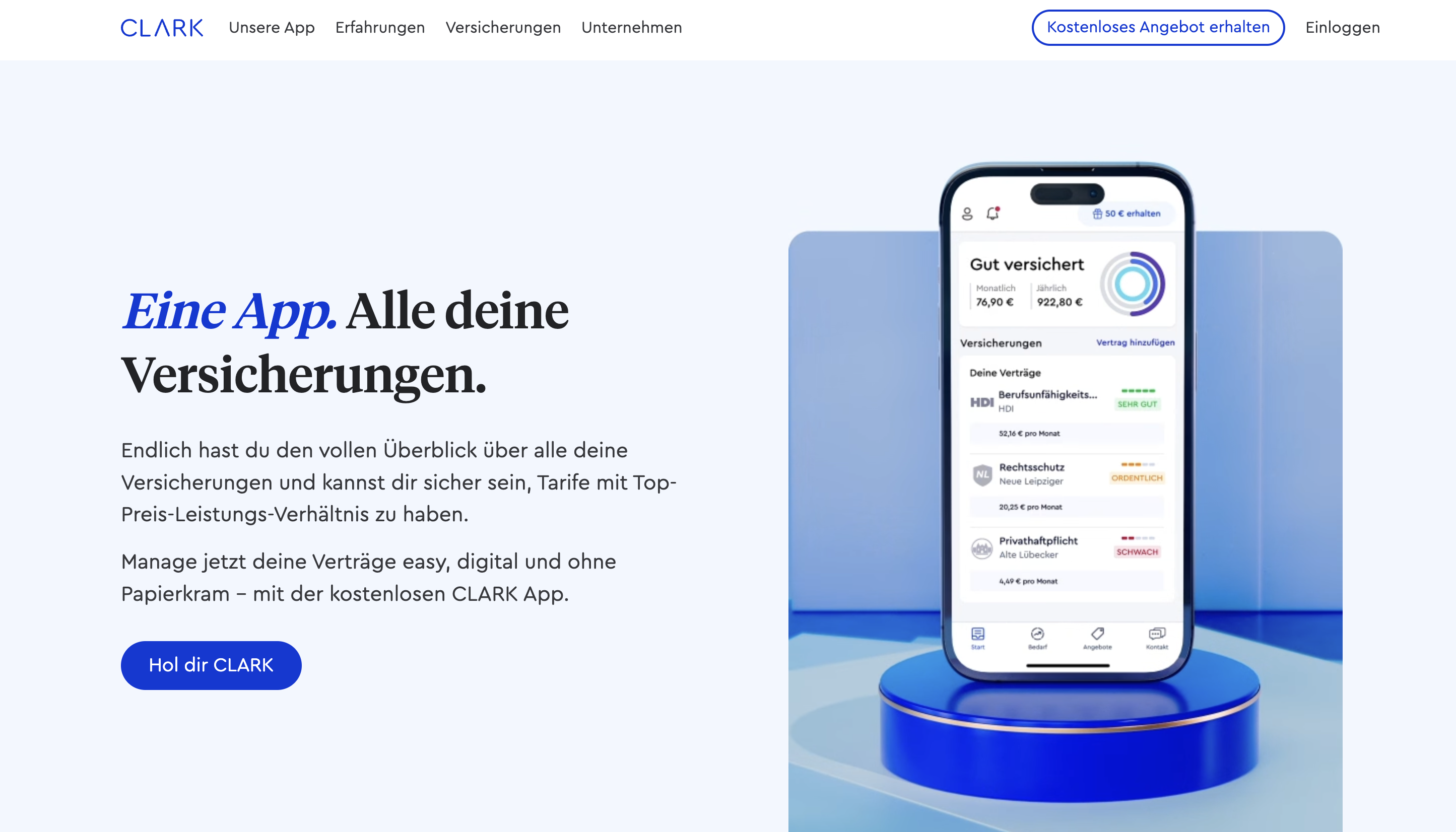
Clark is disrupting the messy business of insurance administration in Germany, Austria, and Switzerland by giving customers a single digital interface to manage all their policies—regardless of which insurer they're with. Rather than forcing people to juggle multiple providers and renewal notices, Clark aggregates everything into one place and handles the administrative grunt work: comparing coverage, finding better deals, and switching policies when it makes sense. The app has become the go-to way for tens of thousands of Europeans to actually understand what they're paying for and stop overpaying. What sets Clark apart is that it doesn't just manage policies after you buy them—it actively renegotiates on your behalf, leveraging collective bargaining power to find cheaper rates across competitors. You authorize the switch, Clark handles the paperwork. Most insurance platforms either sell you products or help you compare; Clark does neither. Instead, it sits between you and the entire market, keeping your interests first and taking a commission only when it saves you money. The company has essentially made insurance administration feel like it's from the 2020s rather than the 1990s. For millions of Europeans stuck with scattered policies, outdated coverage, and premium shock every renewal cycle, Clark has become infrastructure.
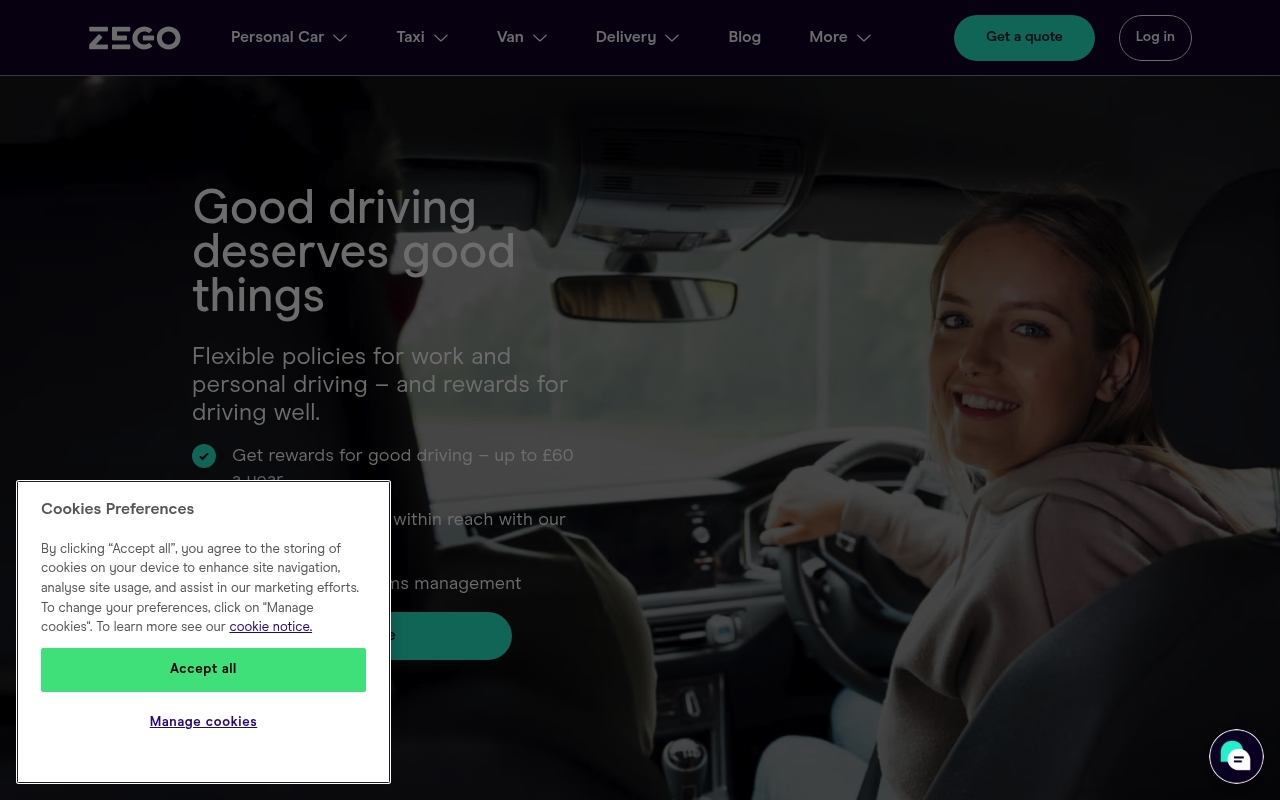
Zego sells insurance built for the gig economy—a category that barely existed five years ago and now moves faster than traditional underwriting can handle. The London-based insurtech operates in a space where traditional insurers still treat gig workers as afterthoughts, bundling them into outdated categories. Zego flips this. It offers flexible, pay-as-you-go coverage for delivery riders, couriers, and other flexible workers across Europe, with pricing that reflects actual usage rather than punishing people for working on their own terms. The product feels native to how gig workers actually live. Rather than forcing annual commitments or minimum coverage periods, Zego lets users activate insurance by the hour or day, paying only for what they use. The claims process is digital and friction-light—something traditional insurers have promised but rarely delivered. Behind the interface sits real underwriting AI that prices risk dynamically, allowing Zego to write policies that make sense for both the worker and the business. In Europe's fragmented insurance market, Zego stands apart from pure distribution plays and legacy brokers by owning the underwriting function. It's not an aggregator slapping a UI on existing products; it's a real insurer rethinking the fundamentals. The company has grown quickly because it identified a timing mismatch: millions of people already working in the gig economy waiting for insurance that matched their reality, not their employment status. Zego represents the emerging pattern in European insurtech: not trying to replace all insurance, but dominating one slice deeply and building unit economics that work. It's carved out a defensible position in a category that traditional players still don't quite understand.
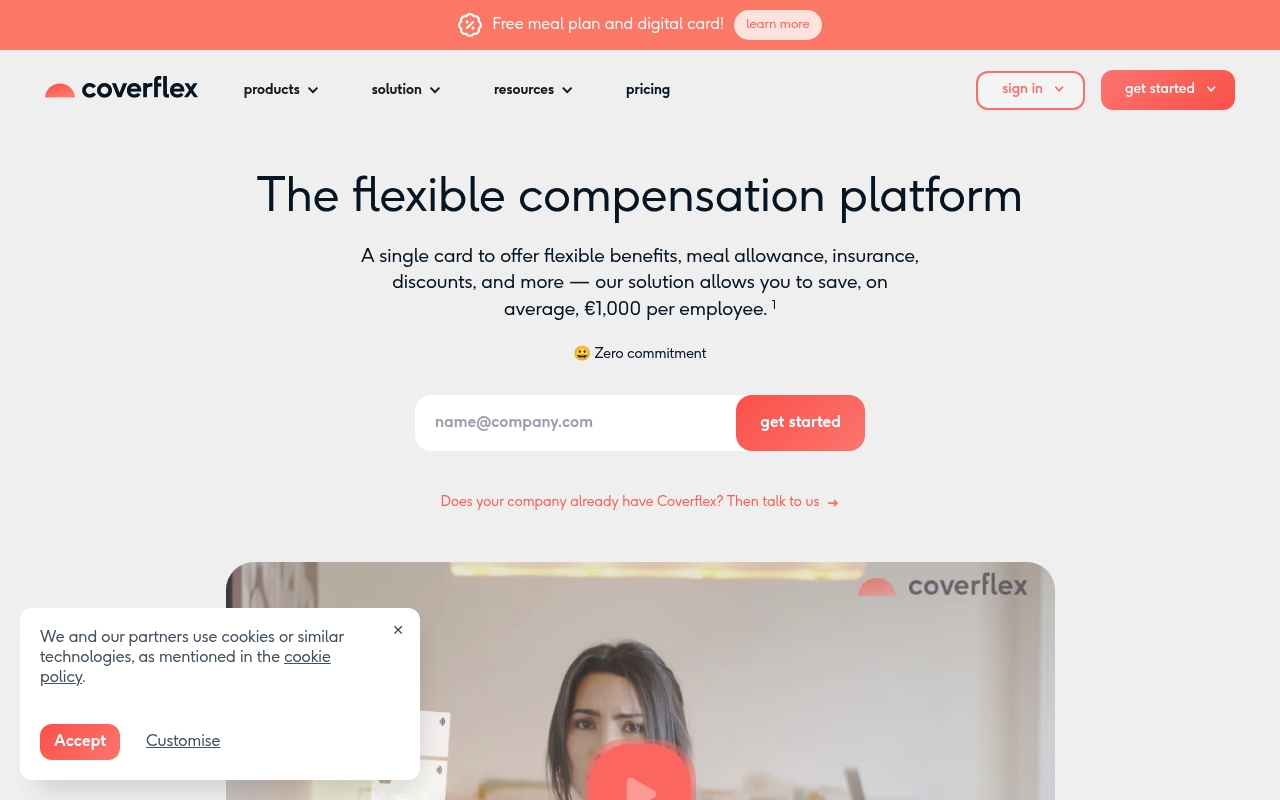
Coverflex is rewriting how freelancers and gig workers access financial security in Europe. Instead of the traditional employment model, the platform bundles flexible work with genuine benefits—health insurance, pension contributions, and paid leave—creating a middle path between employment and total independence. The company essentially flips the script on gig economy precarity. Workers stay independent contractors but gain access to protections that were previously locked behind 9-to-5 employment. Employers get a simpler way to hire flexible talent without managing traditional payroll complexity. It's a fundamentally different architecture for modern work. Coverflex operates across multiple European markets and has built a B2B2C model where companies use the platform to offer benefits to their contractor workforce. The business combines insurance brokerage, financial services coordination, and workplace infrastructure into one interface. In a landscape where gig work remains fragmented and precarious, Coverflex sits at the intersection of fintech and HR tech, solving a genuine gap in how Europe's growing contingent workforce accesses security and stability.
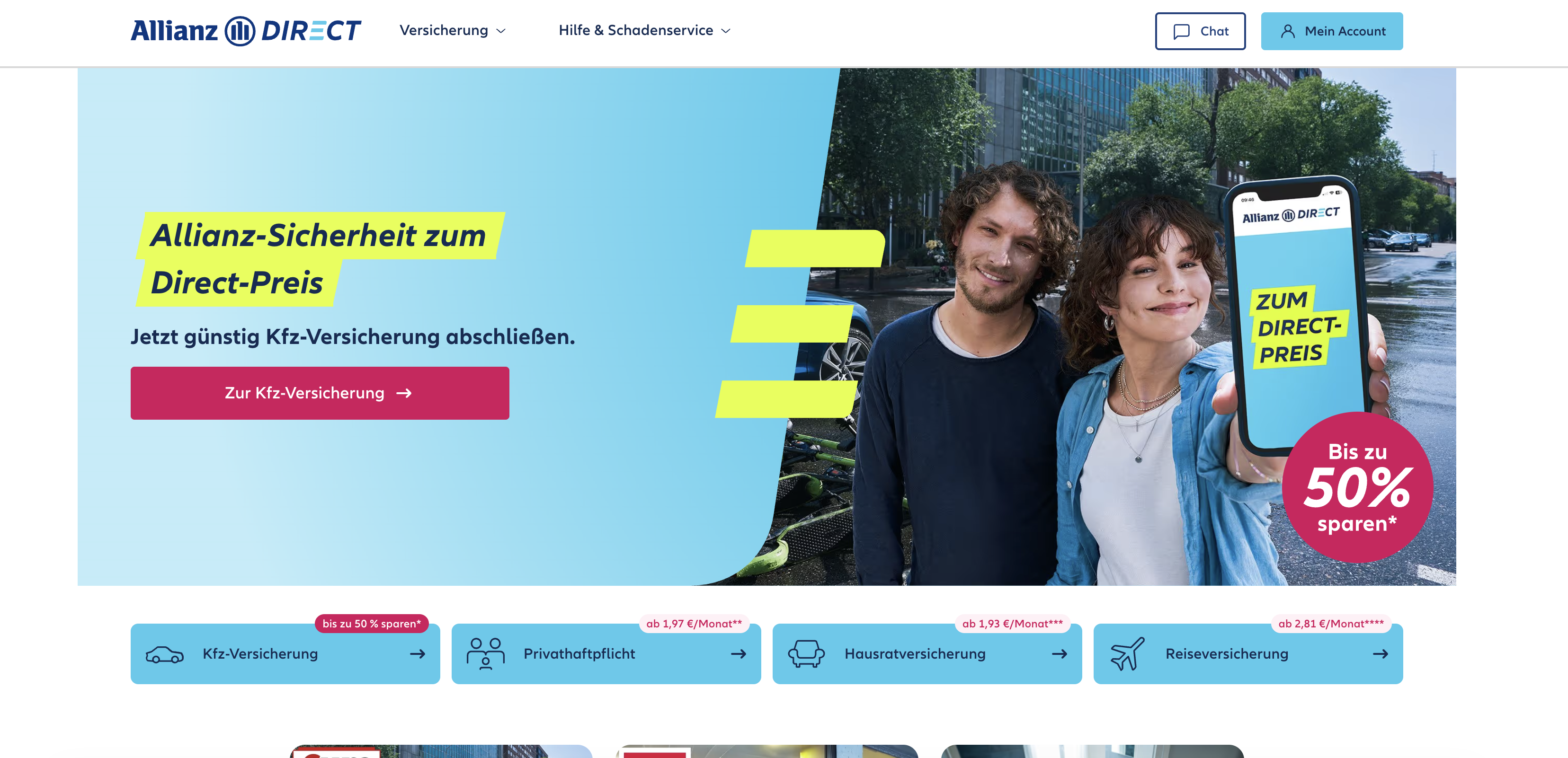
Friday is a German insurtech startup that strips away the complexity of traditional insurance by letting customers buy, manage, and claim on policies entirely through a mobile app. Rather than navigating websites or calling customer service, you open your phone and handle everything in minutes—policies update in real time, claims process faster, and the whole experience feels less like insurance bureaucracy and more like using any other modern app. The company has built its own digital infrastructure to power this, partnering with established insurers to distribute coverage while keeping the interface simple and user-centric. That approach—and the traction it generated—ultimately drew the attention of major industry players. Friday was acquired by Allianz Direct, the direct-to-consumer arm of Allianz. The acquisition signals a broader shift in the insurance industry: incumbents are no longer just competing with insurtech startups—they’re absorbing them to accelerate their own digital transformation. For Allianz Direct, Friday’s mobile-first infrastructure and user-centric design offer a ready-made blueprint for modernizing insurance at scale. What separates Friday from the legacy competition is its refusal to compromise on mobile-first design. Most traditional insurers treat their apps as an afterthought to their web platforms; Friday builds everything mobile-first from the ground up. You can buy comprehensive or liability coverage, adjust your policy mid-term without penalty, and file a claim with photos and geolocation data—no forms, no waiting on hold. The backend integrates with reinsurers and partners, but customers never see that complexity. In the crowded German insurtech space, Friday occupies a distinctive position as a pure-play mobile insurer focused on car insurance and extending into other categories. Now, under Allianz Direct, it sits at the intersection of startup agility and corporate scale. It competes with both digitally native players and the slow-moving incumbents, but its advantage lies in aggressive user experience combined with the financial strength and distribution reach of its parent. For younger Germans who grew up expecting frictionless digital services, Friday represents what insurance should feel like in the modern era—now backed by one of the largest insurance groups in the world.
Admiral Group is a UK-based financial services firm that has quietly built one of Europe's most distributed insurance operations, spanning car insurance, travel, pet, and home coverage across multiple markets. Rather than chasing the neobank hype cycle, Admiral has focused on what it does exceptionally well: underwriting consumer risk at scale while maintaining lean digital operations. The group operates through a portfolio of brands—including Admiral itself, Diamond, elephant, and others—each targeting distinct customer segments and geographies. Its core strength lies not in flashy mobile apps but in genuine pricing sophistication, data-driven risk assessment, and the operational discipline to make insurance work profitably in competitive markets. What sets Admiral apart in the European fintech landscape is its refusal to pretend insurance is something it isn't. It doesn't gamify claims, rebrand itself every quarter, or chase venture capital at the expense of underwriting discipline. Instead, Admiral has evolved into a genuinely multi-market insurer with operations spanning the UK, Europe, and beyond, proving that boring execution and customer profitability matter more than narrative hype. The group's role in fintech is that of a grounded, mature operator proving that traditional insurance—when run with modern data practices and digital efficiency—remains a defensible, profitable business in a landscape obsessed with disruption.
Bought by Many has carved out a distinctive corner in European insurance by treating group buying as a genuine force for better coverage and fairer prices. Rather than simply aggregating premiums, the platform lets users band together around shared needs—pet insurance, travel, gadget protection—to collectively negotiate with insurers. The result feels less like a comparison site and more like a buyers' union that happens to live on your phone. What separates Bought by Many from the insurance broker playbook is its transparency around group leverage. Users can see exactly how many people are buying a policy, watch the group grow in real time, and understand that their collective voice is pushing insurers toward better terms. It's crowdsourced negotiation dressed up in modern fintech clothing. The company operates across Western Europe with particular strength in the UK, where it launched, and has expanded into France and Germany. Most competitors in the insurance space still rely on algorithm-driven pricing or traditional agent networks. Bought by Many flips the script by making the group itself the product—the more members, the more negotiating power, the better the deal. In a landscape where insurance feels transactional and opaque, Bought by Many has found something genuine: a mechanism to give ordinary people actual leverage with massive insurers. It's not revolutionary in what insurance does, but it's genuinely different in how it gets bought.