DatabaseCategoriesServicesCountriesArticlesNewsletterRequest listing
HomeCategoriesSME FinanceBusiness accounts
SME Finance

Business accounts Companies in Europe

53 companies·18 countries·Updated August 2026

Business accounts are current accounts designed for companies rather than individuals — providing multi-user access, payment features, expense tracking, and financial management tools through modern digital interfaces. Digital business accounts from providers like Qonto, Pleo, and Countingup can be opened in minutes, integrate with accounting software, support team-based permissions, and provide real-time cash flow visibility. They have taken significant market share from traditional banks that have historically offered poor business banking products.

European Business accounts companies in our database

Notable business accounts companies include SumUp, Starling Bank, Blank, Payhawk and Divilo.
SumUp
SumUp🇩🇪
Est. 2012

SumUp is a payments company built for the merchants traditional providers never bothered with. Founded in 2012 and headquartered in London, it sells low-cost card readers and point-of-sale hardware to small businesses — market traders, cafés, hairdressers, tradespeople — who could never justify the monthly fees, multi-year contracts, and cumbersome terminals that legacy processors demanded. The core proposition has barely changed since launch: buy a card reader outright for a modest one-off price, pay a small percentage per transaction, and sign nothing. That model has scaled a long way past its origins. SumUp now serves more than 4 million merchants across roughly 35 markets, employs around 4,000 people, and was valued at about €8 billion in a 2022 round led by Bain Capital. In 2024 it raised a €1.5 billion private credit facility led by Goldman Sachs, and it has been weighing a stock market listing that could value it as high as $15 billion. The more significant shift is that SumUp is no longer a card reader company. Through a run of acquisitions — Payleven, the e-commerce platform Shoplo, the core banking provider Paysolut, POS software firm Tiller, and the US loyalty startup Fivestars — it has assembled a full financial stack for micro-businesses: a business account and card, invoicing, an online store, loyalty tools, self-service kiosks, and SDKs for developers who want to embed card acceptance in their own products. The ambition is to be the only software a small merchant needs to run their business. That leaves SumUp in an unusual competitive position. On hardware and in-person payments it faces Square, Zettle, and Dojo; as a broader business platform it edges toward Stripe, Mollie, and Revolut Business. Its defensibility rests on the segment most of the industry finds too small to serve properly — the micro and nano merchants that make up the long tail of European commerce.

Starling Bank
Starling Bank🇬🇧
Est. 2014

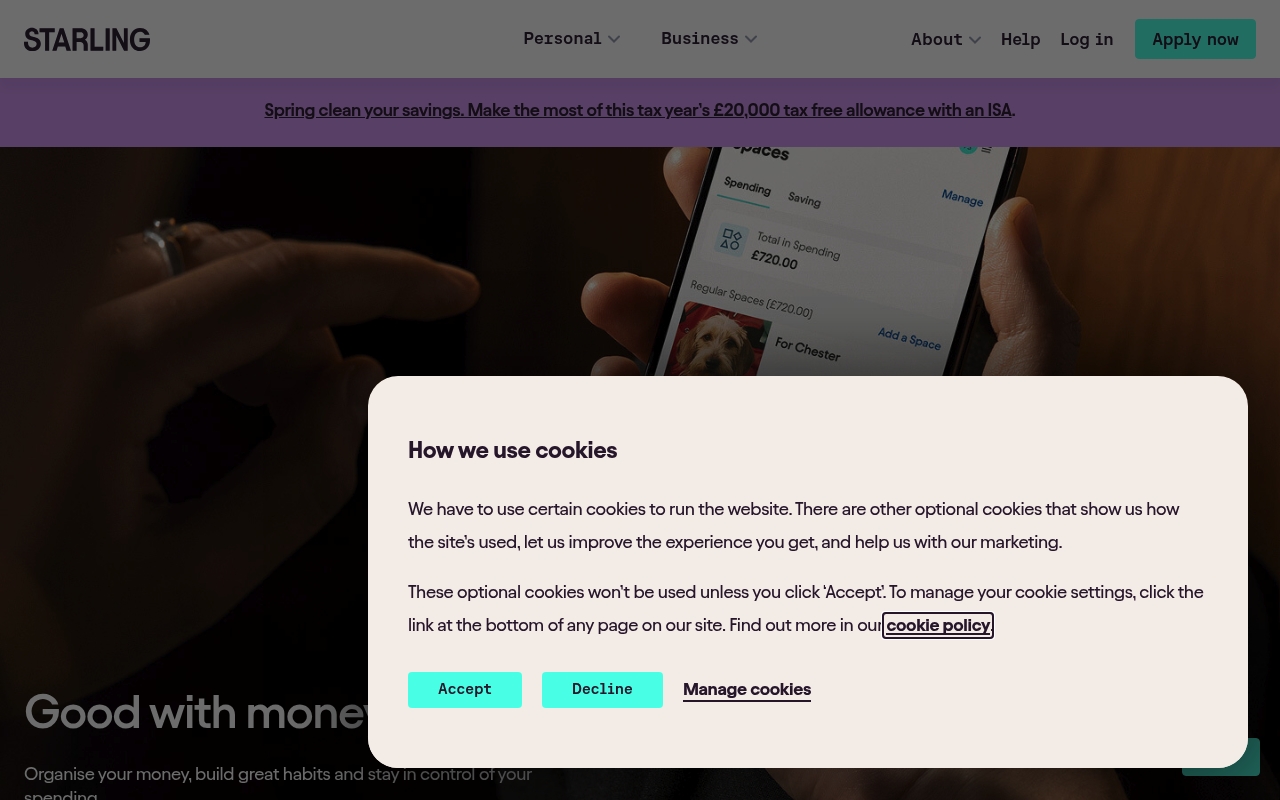
Starling is a UK digital bank offering personal and business current accounts entirely through a mobile app, with no branches. Founded in January 2014 by Anne Boden, a former Allied Irish Banks COO, it secured a full UK banking licence in 2016 — a distinction that matters more than it sounds. Unlike neobanks that operate on a partner institution's licence, Starling is a bank in its own right, regulated by the FCA and PRA, with deposits FSCS-protected. It also built its own core banking technology rather than licensing someone else's, and that decision turned out to have a second act. Engine by Starling packages that technology as software-as-a-service and sells it to other banks: Salt Bank in Romania and AMP Bank in Australia were the first clients live on the platform, and Starling is now pushing Engine into North America and the Middle East, targeting what CEO Raman Bhatia has called a £100 billion addressable market. For a bank whose retail footprint stops at the UK border, Engine is the international growth story — and the reason Starling turns up in Banking-as-a-Service conversations as often as digital banking ones. The core bank remains strong but is no longer on a simple upward curve. Starling reported its fifth consecutive profitable year in 2026, with pre-tax profit of roughly £217 million on £887 million of revenue, serving around 3.5 million personal and business customers, and it has been named Which? Banking Brand of the Year three years running. But that result marked a second straight annual decline, after a 26% profit drop the year before, driven by provisions for pandemic-era Bounce Back Loan issues and a regulatory penalty. That penalty is the part most profiles leave out. In October 2024 the FCA fined Starling £29 million over anti-money laundering and sanctions screening failures, finding the bank had opened more than 54,000 accounts for high-risk customers in breach of an agreed restriction, and that its screening system had been checking customers against only a fraction of the UK sanctions list since 2017. Starling accepted the findings, apologised, and has invested heavily in remediation — but the episode illustrates the defining challenge of the challenger-bank model: compliance infrastructure that struggles to keep pace with customer growth. Anne Boden stepped down as CEO in 2023 and left the board in 2024. Raman Bhatia, formerly CEO of OVO and head of HSBC's UK and European digital bank, took over in 2024 and has spent his tenure working through the legacy issues while repositioning the company's growth story around Engine. The bank dropped "Bank" from its name in a September 2025 rebrand.

Blank
Blank🇫🇷

Blank provides freelancers with a business account, insurance, and admin support.

Payhawk
Payhawk🇧🇬
Est. 2019

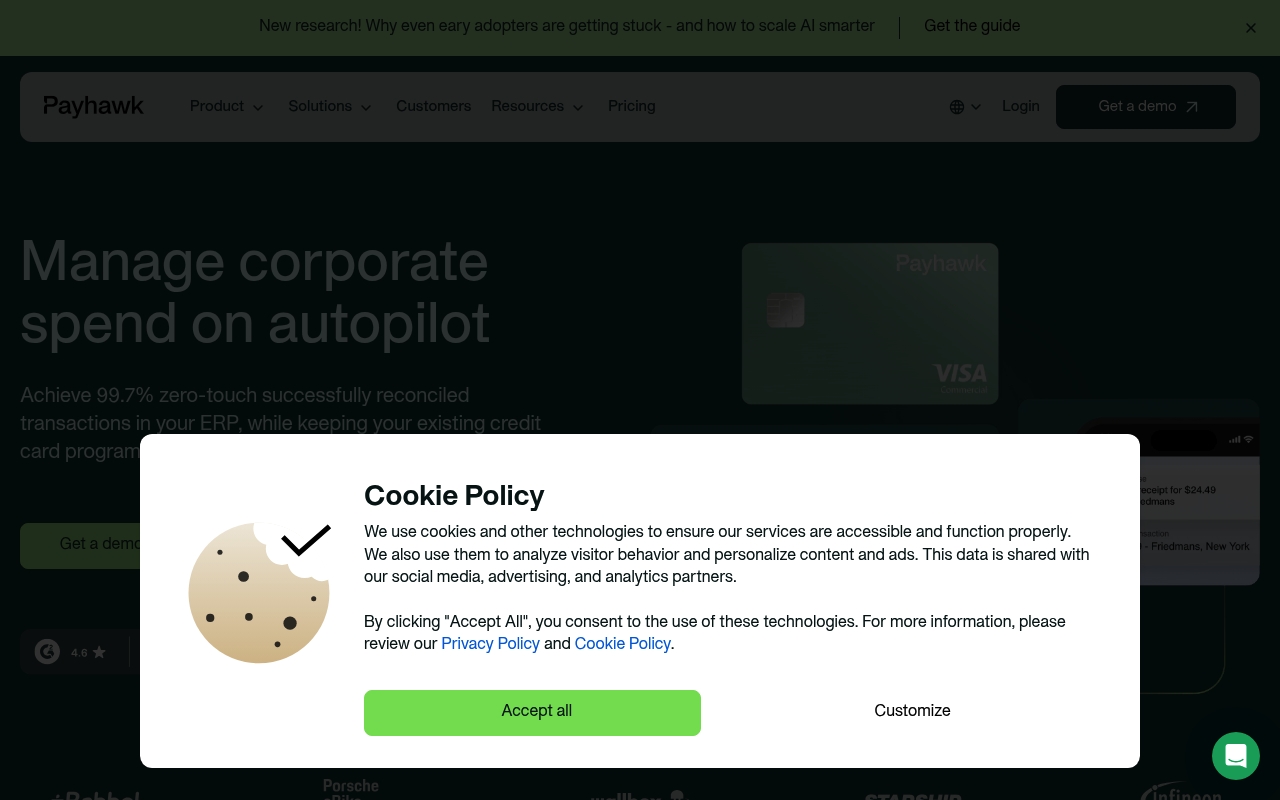
Most companies still manage corporate spending the way they did a decade ago—expense reports, manual reconciliation, scattered receipts. Payhawk has built something radically simpler: a unified spending platform that gives finance teams complete visibility into every company transaction, from the moment it's authorized to the moment it's reconciled. The platform combines physical and virtual cards, automated expense management, and real-time spend controls in a single dashboard. What sets Payhawk apart in the crowded corporate finance space is its refusal to compromise on user experience. Employees aren't fighting clunky interfaces or wrestling with legacy systems. Instead, they get an intuitive mobile app that feels like personal fintech, while finance teams gain the analytical firepower to actually manage policy, catch fraud, and optimize spending patterns. The company treats visibility not as a nice-to-have but as the foundation of control. In Europe's SME and mid-market space, where most alternatives still rely on outdated card programs or disconnected software suites, Payhawk's integration of issuance, spend management, and analytics represents a meaningful shift. The company has quietly built something that enterprises have wanted for years: a spending platform that doesn't require compromise between employee experience and financial governance. For finance leaders tired of spreadsheets and reactive reporting, it's become the natural choice.

Divilo
Divilo🇪🇸
Est. 2021

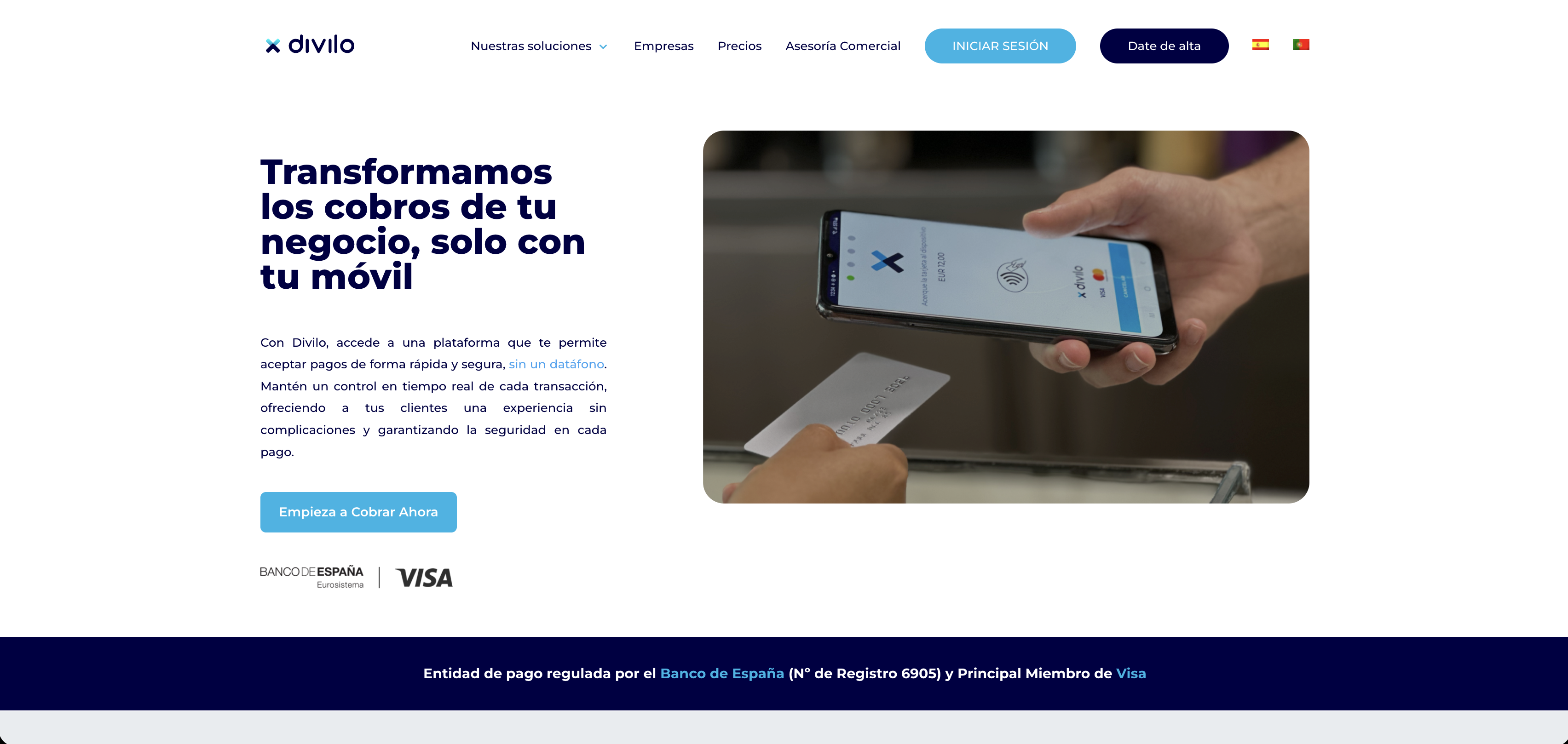
Divilo is building the infrastructure for European businesses to manage their international payroll at scale. Rather than juggling multiple vendors across different countries—payroll processors here, compliance specialists there, currency brokers elsewhere—Divilo consolidates the entire stack into one operating system. The platform handles everything from local employment law compliance to multi-currency payments, tax filing, and benefits administration across the continent. For HR teams and CFOs wrestling with the complexity of expanding internationally, it's a rare case of genuine consolidation rather than another bolted-on layer. The European payroll market remains fragmented by design—local rules, tax codes, and banking infrastructure mean there's no true continental standard. Divilo is attacking this head-on with a unified API and dashboard that speaks to both the technical and operational reality of cross-border employment. It's the kind of infrastructure play that sounds boring until you realize how much operational friction it removes for companies thinking beyond their home market.

Coverflex
Coverflex🇵🇹
Est. 2020

Coverflex is rewriting how freelancers and gig workers access financial security in Europe. Instead of the traditional employment model, the platform bundles flexible work with genuine benefits—health insurance, pension contributions, and paid leave—creating a middle path between employment and total independence. The company essentially flips the script on gig economy precarity. Workers stay independent contractors but gain access to protections that were previously locked behind 9-to-5 employment. Employers get a simpler way to hire flexible talent without managing traditional payroll complexity. It's a fundamentally different architecture for modern work. Coverflex operates across multiple European markets and has built a B2B2C model where companies use the platform to offer benefits to their contractor workforce. The business combines insurance brokerage, financial services coordination, and workplace infrastructure into one interface. In a landscape where gig work remains fragmented and precarious, Coverflex sits at the intersection of fintech and HR tech, solving a genuine gap in how Europe's growing contingent workforce accesses security and stability.

Related in SME Finance
Cash flow tools (40)Accounting integrations (7)Payroll platforms (5)SME lending tools (5)
Browse all SME Finance companies →

Frequently asked questions

How many Business accounts companies are there in Europe?
The fintechdatabase.eu directory lists 53 Business accounts companies across 18 European countries.
What are the biggest Business accounts companies in Europe?
The most popular Business accounts companies in the directory are SumUp, Starling Bank and Blank.
Which European countries have the most Business accounts companies?
France, United Kingdom and Germany have the most Business accounts companies in Europe.