Iceland's fintech ecosystem is small but distinctive, shaped by the country's unique economic history — the dramatic banking collapse of 2008, when Iceland's oversized banking sector failed catastrophically, left a lasting impact on financial culture and regulatory thinking. The subsequent rebuilding of Icelandic financial services created space for new approaches to banking and financial technology.
Kvika Bank has been one of the more innovative Icelandic financial institutions, combining investment banking with digital financial services. Iceland's small population of 370,000 limits domestic market size, but the country's high GDP per capita, strong digital adoption, and well-educated population make it a quality market for financial services innovation.
The Financial Supervisory Authority (FME) regulates Icelandic financial services, and Iceland's membership of the European Economic Area (but not the EU) provides access to EU single market rules including PSD2 and the broader EU financial services regulatory framework, without full EU membership.
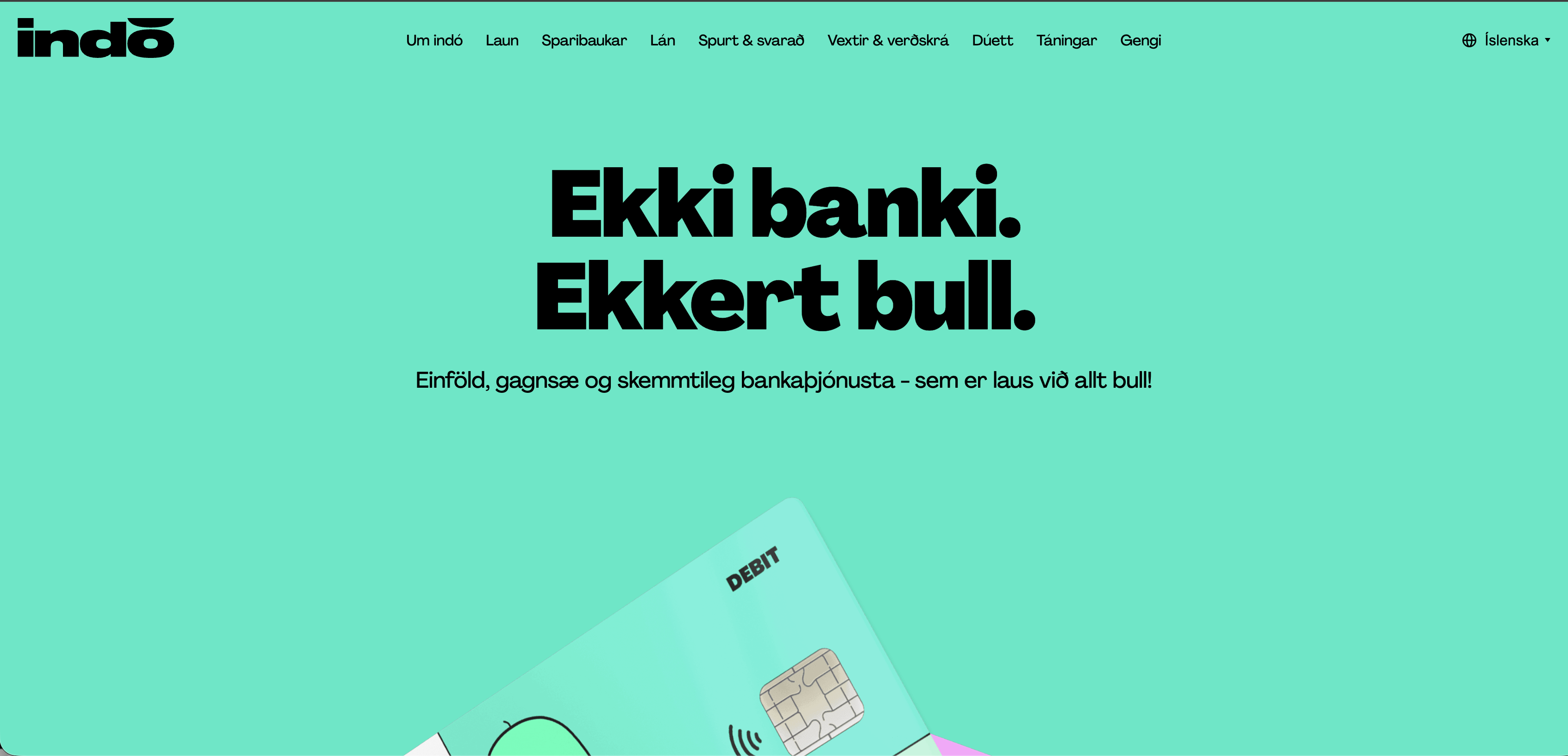
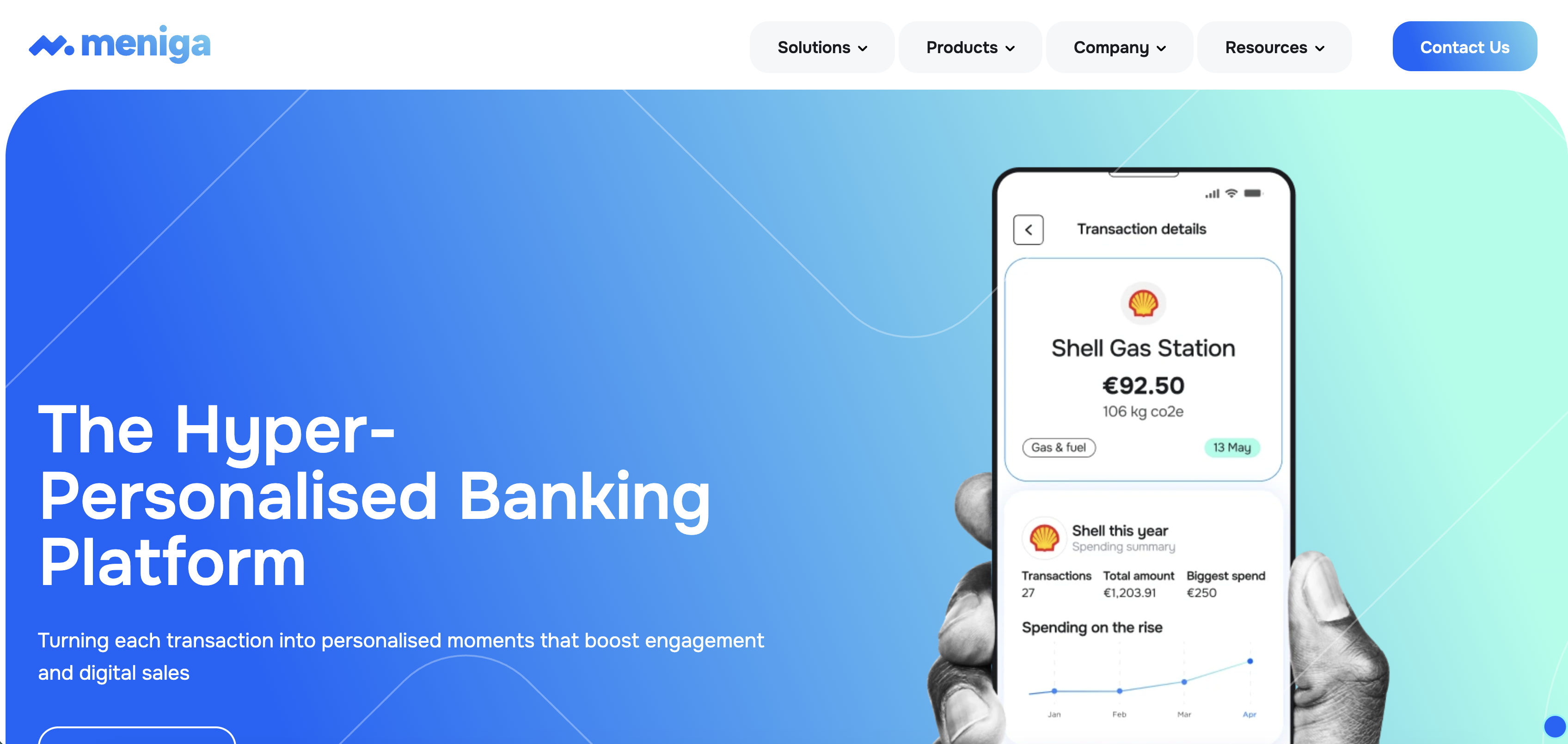
Fintech companies based in Iceland