DatabaseServicesArticlesCountriesGlossaryNewsletterRequest listing
← All countries
🇳🇴

Fintech in Norway

6 companies·View all in directory →
About the Norway fintech ecosystem

Norway has one of Europe's most cashless payment environments — cash transactions account for less than 4% of Norwegian payments — driven by Vipps, the mobile payment platform owned by a consortium of Norwegian banks that has become deeply embedded in Norwegian daily life for everything from splitting bills to paying in stores. Norway's payment innovation is characterised by strong bank cooperation that has produced national standards rather than competitive fragmentation.

Oslo is Norway's fintech hub, home to a growing community of fintech companies operating in payments, lending, insurance technology, and financial infrastructure. Norway's wealth — driven by oil revenues channelled through the Government Pension Fund Global, the world's largest sovereign wealth fund — creates demand for sophisticated wealth management technology.

Norway's position outside the EU (it is a member of the European Economic Area) gives it access to EU single market rules including PSD2 under the EEA Agreement, without full EU membership. This means Norwegian fintechs can passport into EU markets and EU fintechs can operate in Norway under EEA provisions. Finanstilsynet, Norway's financial regulator, applies EU financial services directives through EEA implementation.

Fintech companies based in Norway

Zwipe
Zwipe
Financial Infrastructure
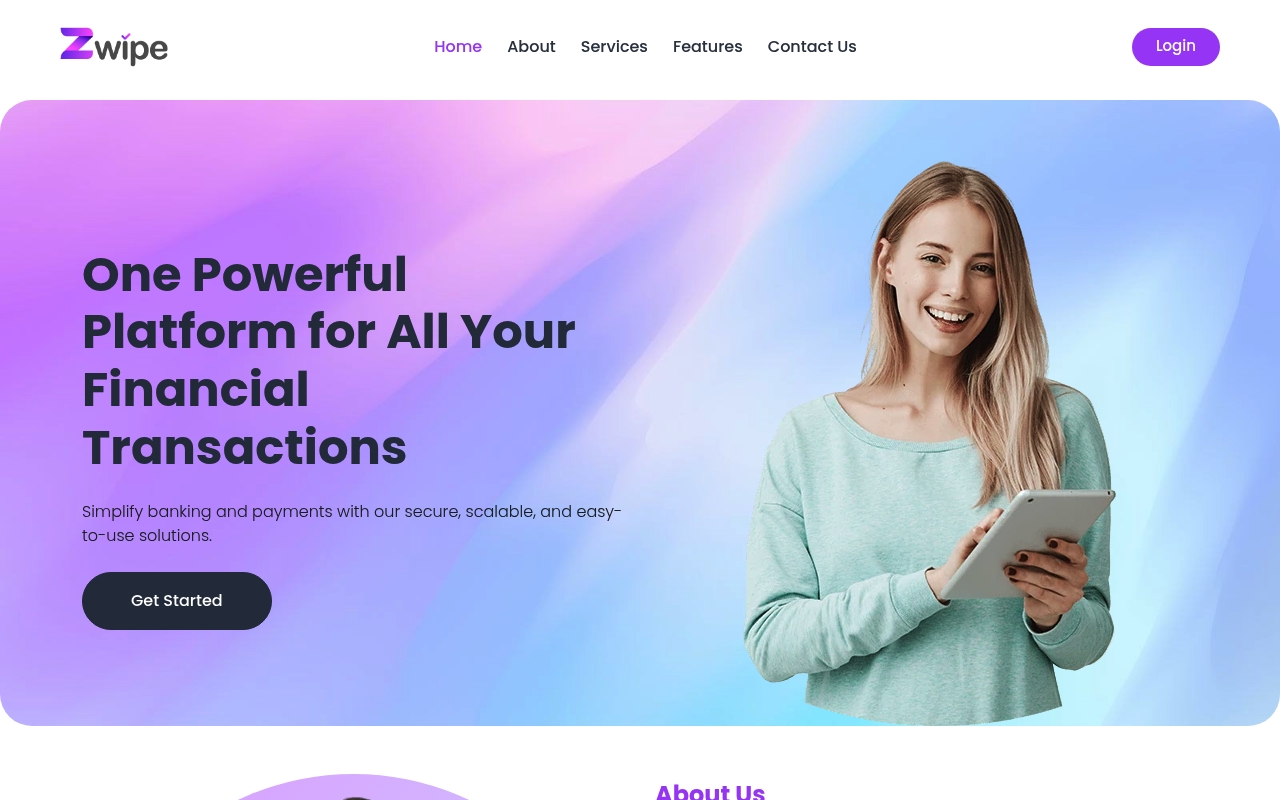
Zwipe is building the infrastructure for secure, contactless payments at the physical point of sale. The company makes biometric card technology—specifically fingerprint-activated payment cards—that eliminate the need for PINs and signatures while dramatically reducing fraud. Instead of fumbling for passwords or worrying about shoulder surfers, you just tap and touch.What makes Zwipe different is its focus on the hardware layer. While most fintech companies live in apps and APIs, Zwipe sits at the intersection of physical cards and digital security, creating a tangible product that banks and card issuers can actually deploy. The biometric verification happens on the card itself, not on a terminal or in the cloud, which means faster transactions and genuine privacy—your fingerprint never leaves the card.The company operates in a narrow but critical space: the next generation of payment cards. As contactless payments have become mainstream, Zwipe sees the obvious next step: making those cards smarter and more secure. European banks and payment networks are watching closely, particularly as regulators tighten authentication standards. Zwipe's technology addresses a real pain point in the payment infrastructure stack, positioning it as a key player in the hardware innovation side of fintech.
Founded 2014
B2 Impact
B2 Impact
Wealth
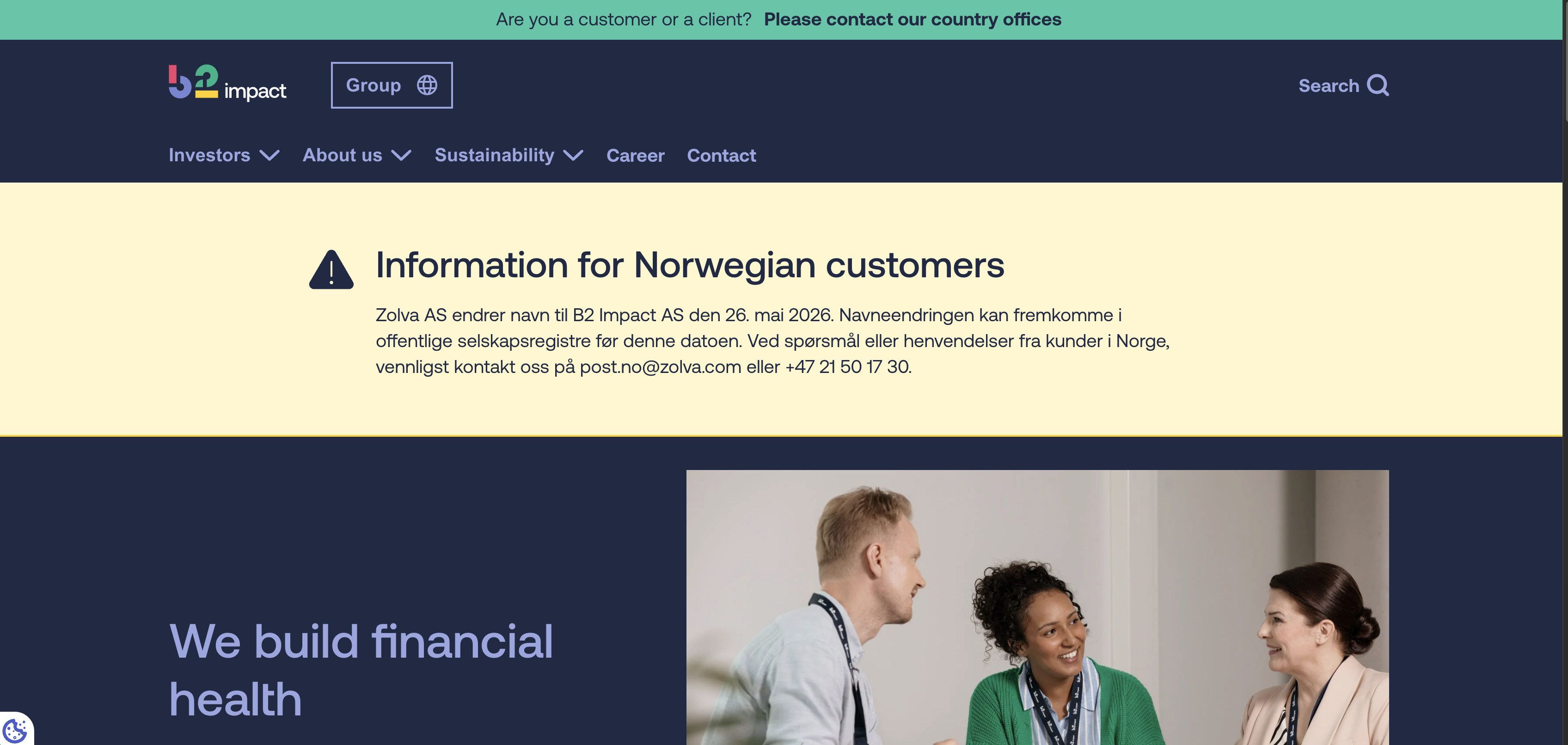
B2 Impact is an investment platform built for a generation that cares where their money goes. The startup combines wealth management with values-driven investing, letting users build portfolios aligned with their beliefs—whether that's climate action, social justice, or gender equality. Unlike traditional advisors who treat ESG as an afterthought, B2 puts impact at the center from day one. The platform offers curated investment strategies from environmental sustainability to financial inclusion, alongside real-time tracking of how your investments actually perform on social and environmental metrics. You're not just buying index funds; you're seeing the measurable impact your capital creates. It's democratizing impact investing, which traditionally lived in the private wealth world, and making it accessible to younger investors who reject the false choice between returns and values. B2 operates in a crowded space of robo-advisors and ESG platforms, but distinguishes itself through genuine integration—your impact metrics aren't bolted on, they're woven into the algorithm. The European fintech landscape has embraced ESG quickly, but B2 has positioned itself as the activist layer that older wealth managers lack. For a generation of investors skeptical of traditional finance, it offers permission to invest without moral compromise.
Founded 2020
Aritma
Aritma
Payments
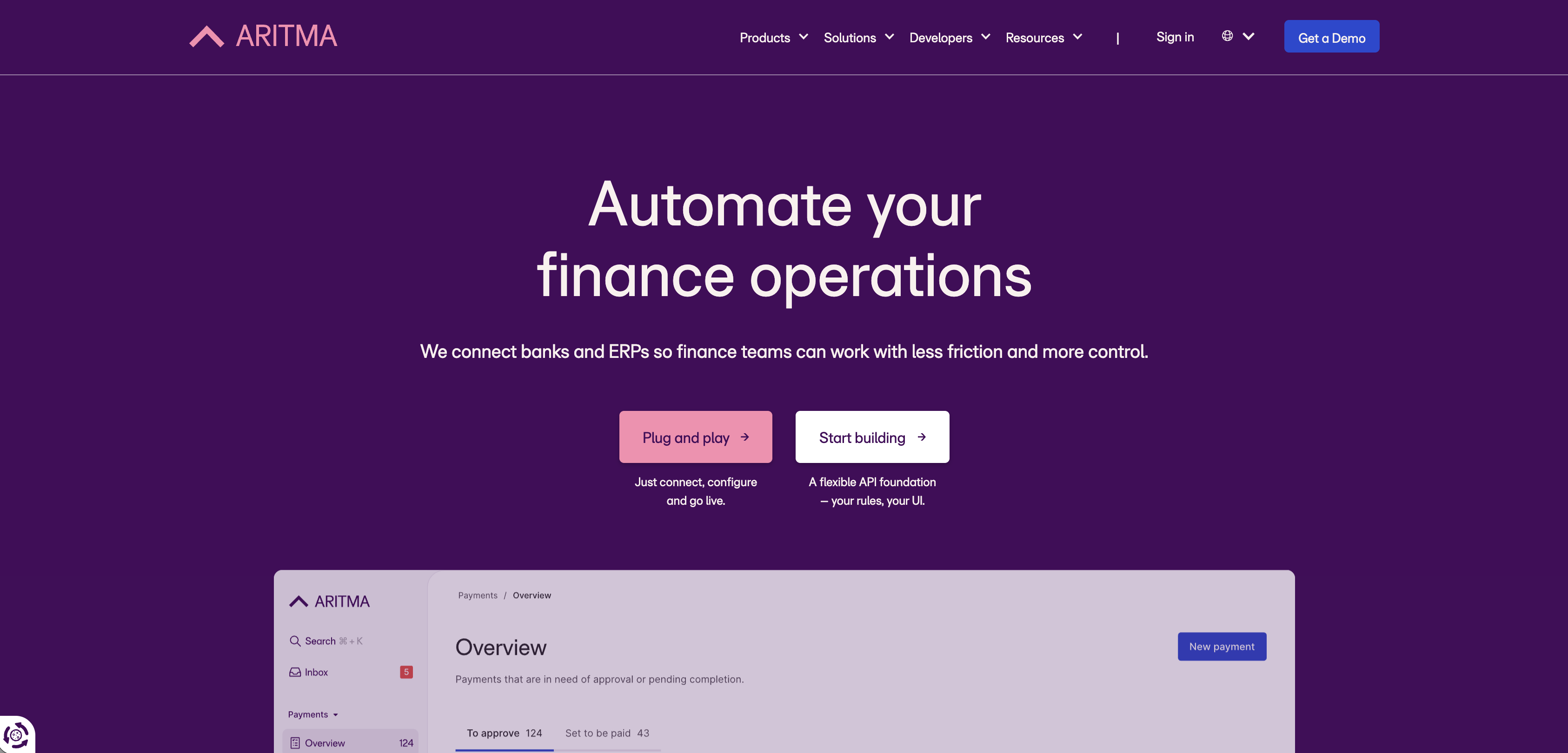
Aritma is building the financial operating system for businesses that want to move beyond spreadsheets and legacy banking infrastructure. The platform consolidates cash management, payments, and accounting into a single workspace, letting companies see their full financial picture in real time rather than waiting for bank statements and reconciliation cycles. It's built for the EU market, where fragmented banking, multiple currencies, and regulatory complexity make finance operations unnecessarily complicated for growing businesses. Instead of bolting together payment platforms, banking apps, and accounting tools, Aritma unifies them—automating reconciliation, tracking cash movements across accounts and currencies, and embedding compliance workflows from the start. The result feels less like traditional treasury software and more like financial infrastructure for the internet era: API-first, collaborative, and designed for businesses that actually move fast. Most corporate finance tools are built for big enterprises with dedicated CFO teams and legacy bank relationships. Aritma positions itself as the alternative for mid-market and high-growth companies that need institutional financial controls without the institutional overhead. It's part of a broader shift toward embedded finance operations—the idea that cash management and payments shouldn't feel like a separate department, but integrated into how companies actually work.
Founded 2021
Vipps MobilePay
Vipps MobilePay
Financial Infrastructure
Vipps MobilePay is Scandinavia's dominant mobile payments platform, born from the 2018 merger of Norway's Vipps and Denmark's MobilePaythat created a cross-border powerhouse. The app handles everything from person-to-person transfers to merchant payments, invoice settling, and subscription billing—turning it into something closer to a financial operating system than a standalone payment app. What sets Vipps MobilePay apart in the European landscape is its sheer penetration and Nordic market lock-in. In Norway and Denmark, using Vipps isn't a fintech experiment—it's how normal people actually move money, making it genuinely essential infrastructure rather than an optional convenience layer. The company operates with the confidence of near-monopoly status, supported by strategic ownership that includes DNB, Danske Bank, and Swedbank, giving it both distribution muscle and regulatory credibility. Beyond consumer payments, Vipps has built serious B2B capabilities: invoice financing, payroll integration, and merchant services that compete directly with traditional payment processors. It recently expanded into Sweden through Swish integration, further cementing Nordic dominance. For European fintechs, Vipps represents a masterclass in vertical integration—controlling the entire payment chain from consumer app to merchant acquiring to underlying rails. It's the rare fintech that achieved what most only dream of: becoming genuinely too big to ignore and too embedded in daily life to displace.
Founded 2009
Neonomics
Neonomics
Embedded Finance
Neonomics sits at the intersection of open banking and embedded finance, building the infrastructure that lets non-financial companies add financial services to their products without becoming banks themselves. The Oslo-based startup transforms how businesses access and integrate banking capabilities—turning what was once the exclusive domain of regulated institutions into a plug-and-play service layer accessible to anyone with an API. The company operates as a financial infrastructure platform, offering data aggregation, payment initiation, and account connectivity wrapped into developer-friendly APIs. Rather than forcing companies to build relationships with multiple banks or navigate regulatory complexity, Neonomics handles the heavy lifting: bank connections, consent management, and compliance orchestration across European banking networks. What sets Neonomics apart is its focus on the embedded finance opportunity—the moment when a fintech or SaaS company realizes it can offer financial services directly within its own application. Where competitors might position themselves as middleware or data brokers, Neonomics frames itself as an enabler of financial autonomy for non-banks. This positioning resonates particularly in Scandinavia and wider Europe, where fragmented banking landscapes and strong open banking regulation create both friction and opportunity. In a landscape crowded with open banking players, Neonomics represents a shift toward embedded financial services infrastructure—not just making bank data available, but embedding the entire financial service layer into the products and workflows that consumers and businesses already use.
Founded 2016
Strise
Strise
Fraud & Security
Strise is an AI-powered ESG risk platform built for institutional investors tired of spreadsheet-based due diligence. Instead of relying on lagging ESG ratings from traditional providers, Strise uses machine learning to surface real-time supply chain risks, labor violations, and environmental incidents that actually move portfolio companies. The platform aggregates unstructured data from thousands of sources—regulatory filings, news, satellite imagery, worker reports—and turns it into actionable risk scores that investors can trade on. What sets Strise apart is its speed and granularity. While legacy ESG platforms deliver quarterly updates, Strise refreshes daily. It catches supply chain disruptions before they hit earnings calls and identifies geopolitical risks buried in subsidiary networks. The system learns from private investor feedback, getting smarter about what matters for specific asset classes and investment theses. Strise positions itself as the anti-Morningstar approach to ESG—less about moral messaging, more about financial materiality. It's built for asset managers, insurers, and institutional investors who need ESG intelligence that moves faster than the news cycle. In an era where traditional ESG ratings are increasingly criticized for opacity and misalignment with actual risk, Strise offers a data-driven alternative that translates ESG into portfolio language: risk-adjusted returns.
Founded 2019