← All services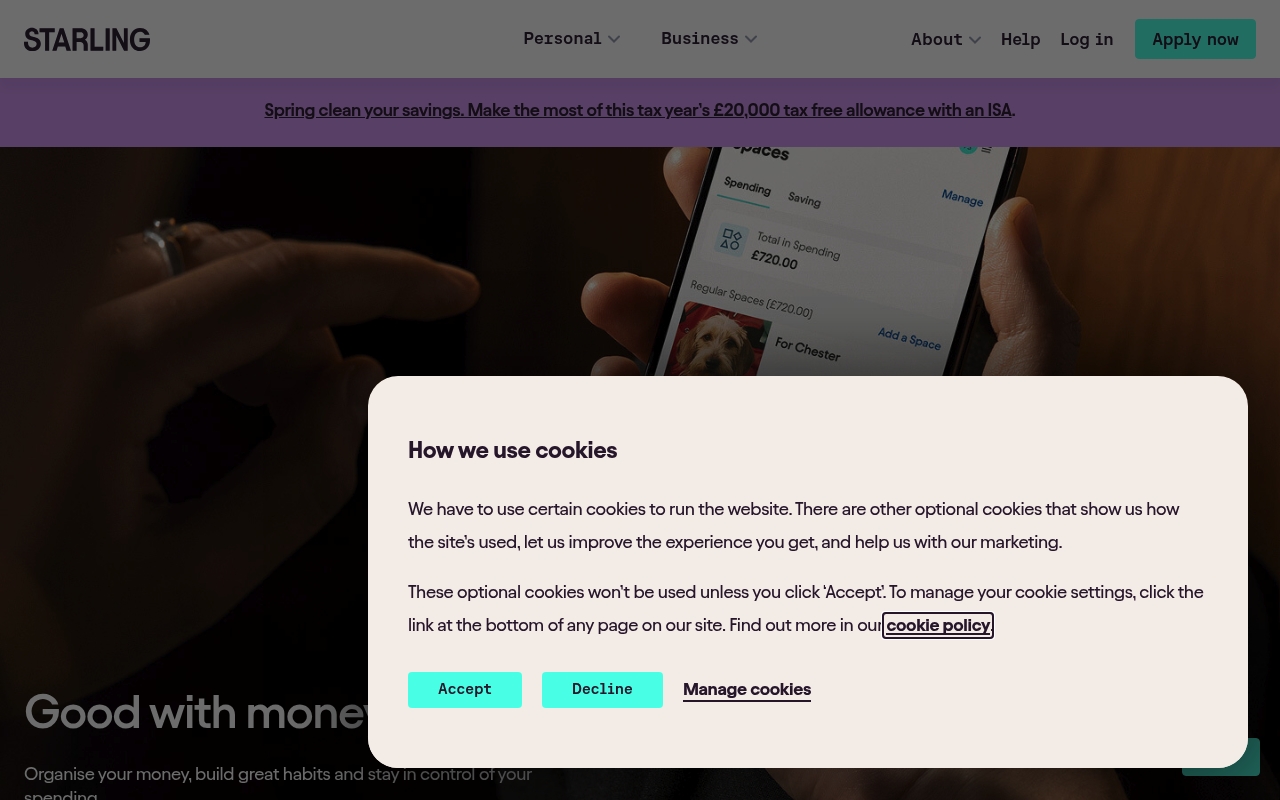



21 European companies
Core Banking Providers in Europe
Core banking platforms are the central systems managing a bank's fundamental operations — account management, transaction processing, customer records, product configuration, and regulatory reporting. Modern cloud-native core banking software like Mambu and Thought Machine provides banks with flexible infrastructure that supports rapid product development without the constraints of legacy systems built decades ago.
Typically offered by
European fintech companies offering core banking
Starling Bank
Digital Banking🇬🇧 United Kingdom
Starling is a UK digital bank offering personal and business current accounts entirely through a mobile app, with no branches. Founded in January 2014 by Anne Boden, a former Allied Irish Banks COO, it secured a full UK banking licence in 2016 — a distinction that matters more than it sounds. Unlike neobanks that operate on a partner institution's licence, Starling is a bank in its own right, regulated by the FCA and PRA, with deposits FSCS-protected.
It also built its own core banking technology rather than licensing someone else's, and that decision turned out to have a second act. Engine by Starling packages that technology as software-as-a-service and sells it to other banks: Salt Bank in Romania and AMP Bank in Australia were the first clients live on the platform, and Starling is now pushing Engine into North America and the Middle East, targeting what CEO Raman Bhatia has called a £100 billion addressable market. For a bank whose retail footprint stops at the UK border, Engine is the international growth story — and the reason Starling turns up in Banking-as-a-Service conversations as often as digital banking ones.
The core bank remains strong but is no longer on a simple upward curve. Starling reported its fifth consecutive profitable year in 2026, with pre-tax profit of roughly £217 million on £887 million of revenue, serving around 3.5 million personal and business customers, and it has been named Which? Banking Brand of the Year three years running. But that result marked a second straight annual decline, after a 26% profit drop the year before, driven by provisions for pandemic-era Bounce Back Loan issues and a regulatory penalty.
That penalty is the part most profiles leave out. In October 2024 the FCA fined Starling £29 million over anti-money laundering and sanctions screening failures, finding the bank had opened more than 54,000 accounts for high-risk customers in breach of an agreed restriction, and that its screening system had been checking customers against only a fraction of the UK sanctions list since 2017. Starling accepted the findings, apologised, and has invested heavily in remediation — but the episode illustrates the defining challenge of the challenger-bank model: compliance infrastructure that struggles to keep pace with customer growth.
Anne Boden stepped down as CEO in 2023 and left the board in 2024. Raman Bhatia, formerly CEO of OVO and head of HSBC's UK and European digital bank, took over in 2024 and has spent his tenure working through the legacy issues while repositioning the company's growth story around Engine. The bank dropped "Bank" from its name in a September 2025 rebrand.
Founded 2014
Omnius
Financial Infrastructure🇩🇪 Germany
Omnius is a European fintech infrastructure player that builds the plumbing for digital finance. Rather than launching consumer apps or chasing trends, the company focuses on giving financial institutions and fintech operators the core technology to move faster. The platform handles payment processing, account management, and the underlying APIs that let banks and non-banks operate at scale without reinventing the wheel.
What distinguishes Omnius in a crowded infrastructure market is its pragmatic approach to complexity. European banks still manage legacy core systems alongside new digital channels—a messy, expensive reality most fintech companies ignore. Omnius doesn't fight that; it sits in the middle, connecting old and new, and abstracts the chaos away from the business logic above it.
The company targets institutions that need to modernize faster than their technology stacks allow. That includes challenger banks that need banking-as-a-service foundations, traditional banks building new digital channels, and fintech companies that want to scale without owning every layer. It's unsexy infrastructure work—the kind that doesn't generate headlines but quietly powers the financial services layer that consumers interact with.
In the European fintech stack, Omnius occupies a critical but overlooked position: the vendor that lets faster companies stay fast, and slower ones move at all.
Nexi
Payments🇮🇹 Italy
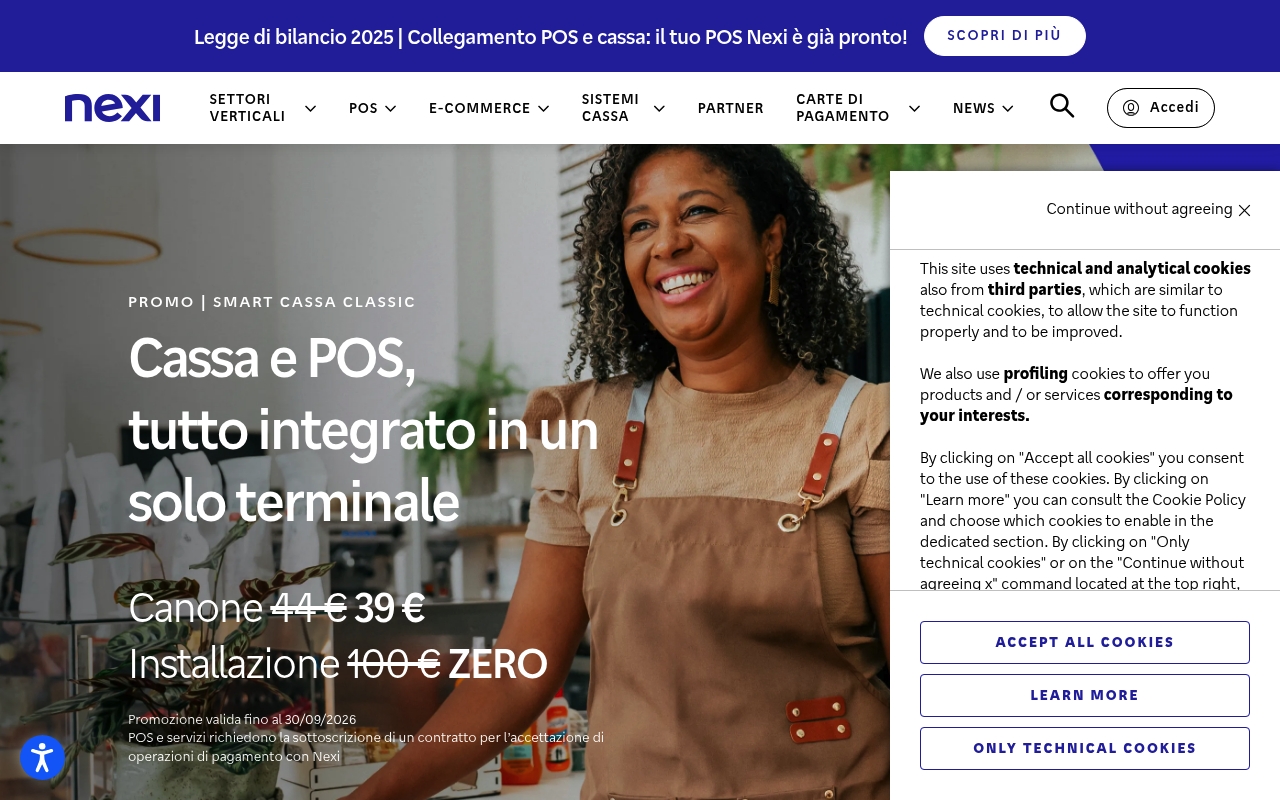
Nexi is what happened when Italy decided to build a payments champion. The company's roots run through decades of bank-owned card infrastructure — the CartaSi and ICBPI lineage that processed Italian card payments on behalf of the banking system — before private equity firms Advent, Bain, and Clessidra reshaped it into a company and took it public on Borsa Italiana in 2019. Then came the two deals that defined it: the merger with SIA, Italy's interbank payments infrastructure, and the acquisition of Denmark's Nets, both closed in 2021. The result was "The European PayTech" — a group operating in more than 25 countries with around 9,200 employees, spanning merchant acquiring, card issuing for banks, and national payment infrastructure from Italy to the Nordics to Poland, where Nets' acquisitions of Przelewy24 and Dotpay sit inside the group.
The strategy was scale through consolidation, and for a while the market believed in it. It no longer does, and March 2026 was the moment that became undeniable. Nexi's full-year 2025 results — revenue of €3.58 billion, EBITDA of €1.9 billion, growth of just 2.1% — arrived with a €3.7 billion writedown on previously acquired businesses, chiefly Nets, and guidance that 2026 would be flat, with growth not returning until 2028. The stock fell more than 20% in a day to a record low. CEO Paolo Bertoluzzo's framing to investors was unusually candid for the genre: Nexi was transitioning from a growth company to one that produces steady cash flows — "you don't have to believe we can go to the moon" — with a dividend hiked 20% and €1.1 billion in shareholder returns planned through 2028 as the consolation. His defence of the writedown was equally frank: Nexi bought companies at high prices, but paid in shares that were then worth six times their current value.
The ownership structure completed its own transition in early 2026. Advent and Bain, the private equity firms that built and listed the company, sold their remaining stake in February — leaving Hellman & Friedman and CDP, the Italian state investor, as the two anchor shareholders at roughly a fifth each. The parallel with Worldline is hard to miss: Europe's two great payments roll-ups of the 2019–2021 era have both ended the cycle written down, growth-challenged, and anchored by state-linked capital — Nexi without the compliance scandal, which is a meaningful distinction, but with the same underlying lesson about buying growth with expensive shares. CVC explored a bid in 2024, sending the shares up 19% in a day; nothing came of it, though the episode established that the company is viewed as acquirable.
Leadership turned over with the strategy: Bernardo Mingrone, Nexi's long-serving finance chief, succeeded Bertoluzzo as CEO in 2026, presenting his first half-year results in July. The growth initiatives under way are real if unglamorous — Zippay, a person-to-person payment service built on Nexi infrastructure launching in Ireland with AIB, Bank of Ireland, and PTSB; integration of the European wallet Wero into German e-commerce; a Visa partnership on managed card issuing for German banks; and the €105 million acquisition of Banca Popolare di Sondrio's merchant book, continuing the model of buying banks' payment operations that built the company. Nexi remains one of Europe's largest payment processors and the default infrastructure of Italian digital payments. The question its own guidance poses is whether that is a platform for renewed growth from 2028, or simply a very large utility returning cash to patient shareholders. The current share price says the market has priced the utility.
Founded 2013
Solaris
Financial Infrastructure🇩🇪 Germany
Solaris is a Berlin-based fintech infrastructure platform that lets financial institutions and fintechs launch their own digital banking products without building tech from scratch. Rather than wrestling with legacy core banking systems, clients plug into Solaris's cloud-native API layer to issue cards, manage accounts, and process payments at speed.
The company operates in the shadows of most consumer apps—you won't see the Solaris logo in an app store—but its backbone runs through dozens of European fintechs, neobanks, and traditional financial institutions. Think of it as the plumbing that powers other people's banking ambitions.
Solaris dominates a specific niche: the BaaS (Banking-as-a-Service) and embedded finance layer for Europe. While competitors like Thought Machine and Temenos chase enterprise banking overhauls, Solaris stays focused on the modern fintech workflow. Its modular design appeals to companies that need speed and flexibility, not a 10-year implementation project.
In a market crowded with infrastructure plays, Solaris has become essential plumbing for European digital banking. It sits at the intersection of regulatory compliance, technical simplicity, and startup ambition—precisely where the next wave of European fintech is being built.
Founded 2015
Mambu
Financial Infrastructure🇩🇪 Germany
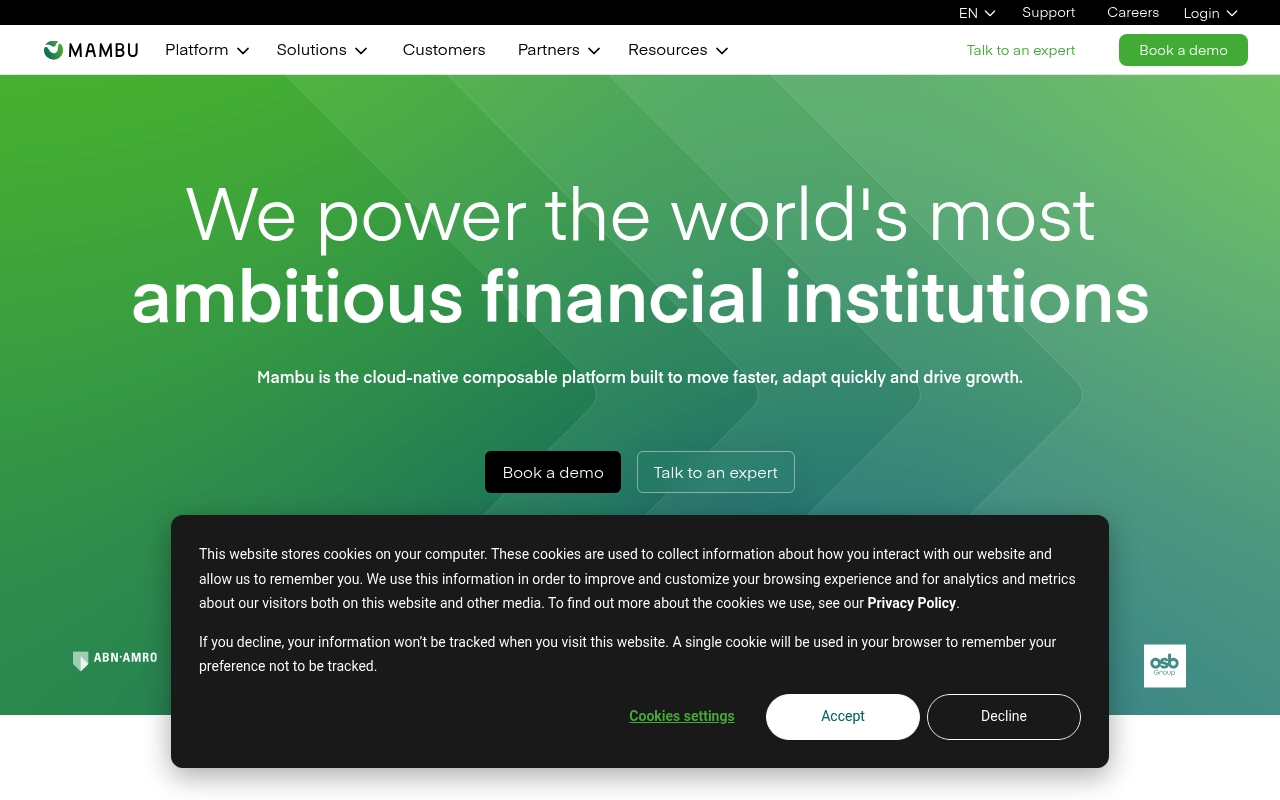
Mambu is a cloud-native banking software platform that lets financial institutions and fintechs launch and operate lending and deposit products without building from scratch. Rather than forcing customers into rigid legacy systems, Mambu provides composable banking infrastructure—modular APIs and pre-built components that work together or stand alone, depending on what you actually need.
The company sits at the intersection of two fintech realities: traditional banks are drowning in outdated core systems that can't keep pace with market demands, while new lenders and neobanks need speed without sacrificing compliance or scale. Mambu's approach is to be the operating system underneath, handling the heavy lifting of loan origination, deposit management, portfolio servicing, and regulatory reporting while letting clients focus on customer experience and product innovation.
What makes Mambu different from other core banking platforms is its emphasis on velocity. Institutions deploy in weeks rather than years. The platform is genuinely modular—you can pick the lending module, the deposit module, or both, and layer in third-party services through APIs. This flexibility has resonated with everyone from African microfinance networks to European challenger banks to enterprise lenders managing complex credit products.
Mambu is now a critical piece of infrastructure in the emerging markets fintech ecosystem, particularly across Africa and Asia, where it powers lending operations for hundreds of financial institutions. In Europe, it's carved out space among mid-market and challenger banks looking to avoid the capital expenditure and technical debt of legacy systems. The company represents a broader shift in fintech: away from end-to-end platforms that claim to do everything, toward specialized infrastructure that does one thing—backend financial operations—exceptionally well.
Founded 2011
Thought Machine
Financial Infrastructure🇬🇧 United Kingdom
Thought Machine builds the operating system for modern banking. Its Vault platform is a cloud-native core banking system that replaces the legacy infrastructure most banks still depend on—the kind that was written when personal computers were novel and the internet was optional. Rather than patching decades-old mainframes with band-aids, Vault lets banks modernize from the ground up, moving away from monolithic systems toward modular architecture that can actually adapt to change. The platform serves as the nervous system for digital banking, payment processing, and lending at scale, handling everything from transactions to regulatory compliance in real time. Thought Machine competes directly against vendors like Temenos and Finastra, but with a fundamentally different philosophy: born in the cloud, designed for APIs, built for speed. The company works with tier-one banks and ambitious challengers alike, essentially selling them the technical freedom to compete in fintech's pace rather than their legacy system's glacial timeline. In the broader European fintech ecosystem, Thought Machine represents the infrastructure layer that makes everything else possible—without modern core banking, the rest of the fintech revolution stays locked in legacy constraints.
Founded 2014
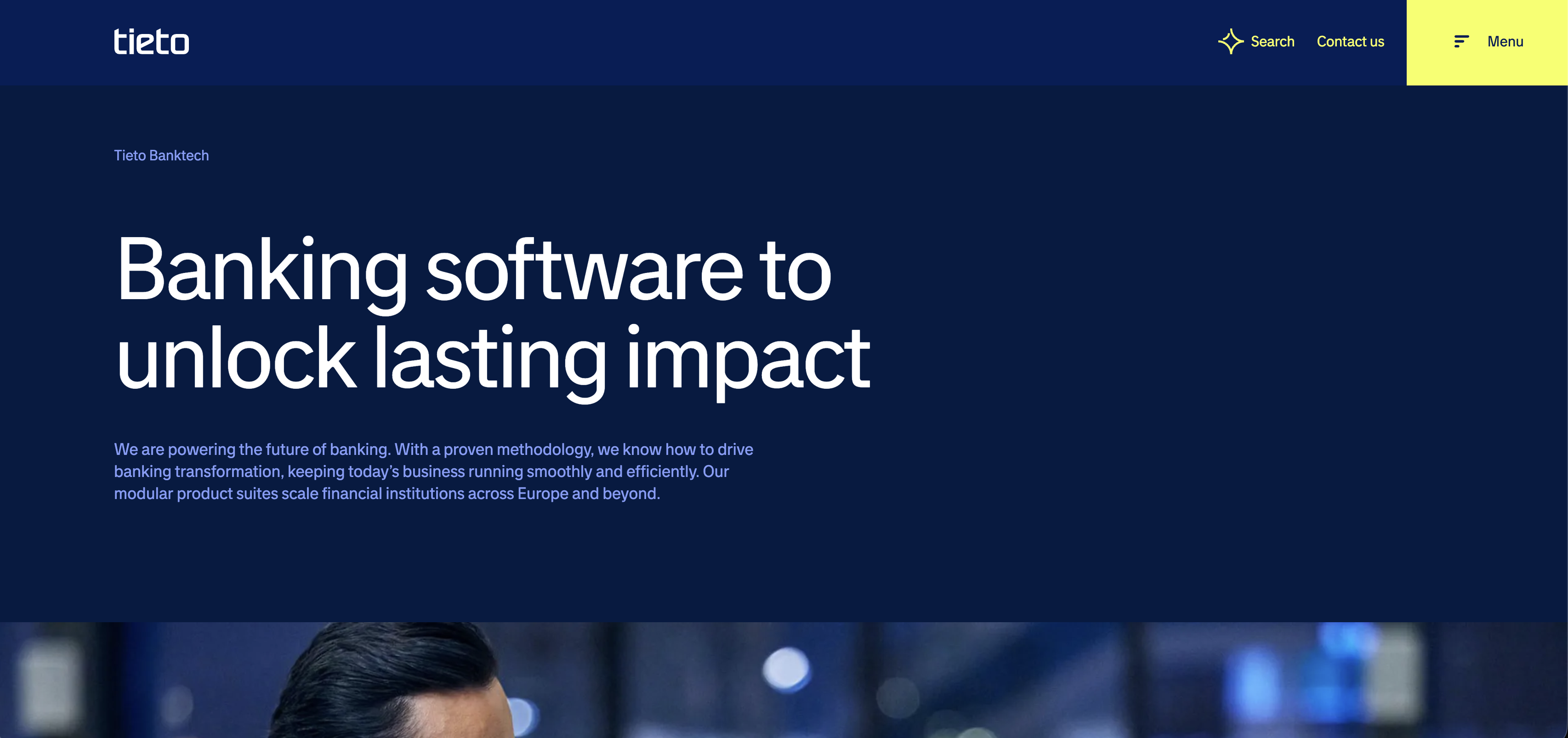
Tieto
Financial Infrastructure🇫🇮 Finland
Tieto operates in the murky middle ground between traditional IT services and fintech infrastructure, building the unsexy-but-essential systems that European financial institutions actually run on. The company provides core banking platforms, payment systems, and digital banking solutions to banks and financial services firms across the Nordic and European markets. Where most fintech captures headlines with consumer apps, Tieto stays disciplined in the B2B infrastructure game—modernizing legacy systems, managing complex regulatory requirements, and keeping payments flowing. Its positioning reflects a particular Nordic pragmatism: less about disruption, more about making banking systems reliable, scalable, and compliant. In a landscape crowded with flashy consumer fintechs, Tieto represents the unglamorous but critical plumbing layer that enables everyone else to operate. The company remains one of Europe's largest fintech infrastructure players, though its parent company structure and steady-handed approach means it rarely commands the venture attention of younger competitors.
Founded 1969
Wallester
Embedded Finance🇪🇪 Estonia
Wallester is a European fintech infrastructure company that makes it simple for other businesses to issue, manage, and distribute payment cards at scale. Rather than wrestling with legacy banking systems and complex integrations, companies use Wallester's APIs and platforms to embed card programs directly into their own products—think neobanks, fintechs, and platforms that need white-label card solutions without the operational overhead. The company handles the technical plumbing: card issuance, real-time transaction processing, compliance, and customer-facing controls, all delivered through clean, developer-friendly APIs. Wallester operates across multiple European markets and works with everyone from emerging challenger banks to established financial institutions looking to modernize their card infrastructure. What sets Wallester apart is its focus on removing friction from the card-issuing process. Most issuers are bound to cumbersome core banking relationships or have to build entirely custom solutions. Wallester sits in the middle, offering a turnkey platform that scales with demand without forcing companies to reinvent core banking. It's become a quiet backbone for European fintechs that need cards fast, reliably, and without the bureaucracy. The company represents a broader trend in fintech infrastructure: the unbundling of banking services into modular, API-first components that let smaller players compete with traditional incumbents.
Founded 2019
finleap
Embedded Finance🇩🇪 Germany
finleap is Berlin's answer to a question the European fintech scene keeps asking: how do you build world-class financial companies at scale? Rather than chase unicorn valuations, finleap builds them. The holding company operates as a fintech factory, incubating and scaling financial startups from day one with institutional backing, operational expertise, and a network that spans regulators, banks, and investors across the continent.
What sets finleap apart is the architecture itself. It's not an accelerator or a VC fund—it's a purpose-built engine for creating and nurturing fintech companies. Each portfolio company gets access to finleap's infrastructure, compliance playbooks, and go-to-market templates, which compresses timelines and eliminates the friction that typically derails early-stage fintechs. The model works: companies like Wayfair-backed Finn, B2B payments platform Foxpay, and lending marketplace Evala have all emerged from the finleap stable.
Internally, finleap operates across payments, lending, wealth, and embedded finance—categories where the European market remains genuinely underpenetrated compared to the US. The company's thesis is straightforward: identify white space in financial services, build products faster than traditional banks can move, and create defensible market positions through technology and user experience. It's less about disruption theater and more about pragmatic value creation.
Finleap sits at an interesting intersection in the European fintech landscape: large enough to command resources and regulatory relationships, independent enough to move quickly, and structured in a way that lets founders maintain autonomy while tapping institutional muscle. For a continent that produces good fintech companies but struggles with scaling, finleap represents a new playbook.
Founded 2014
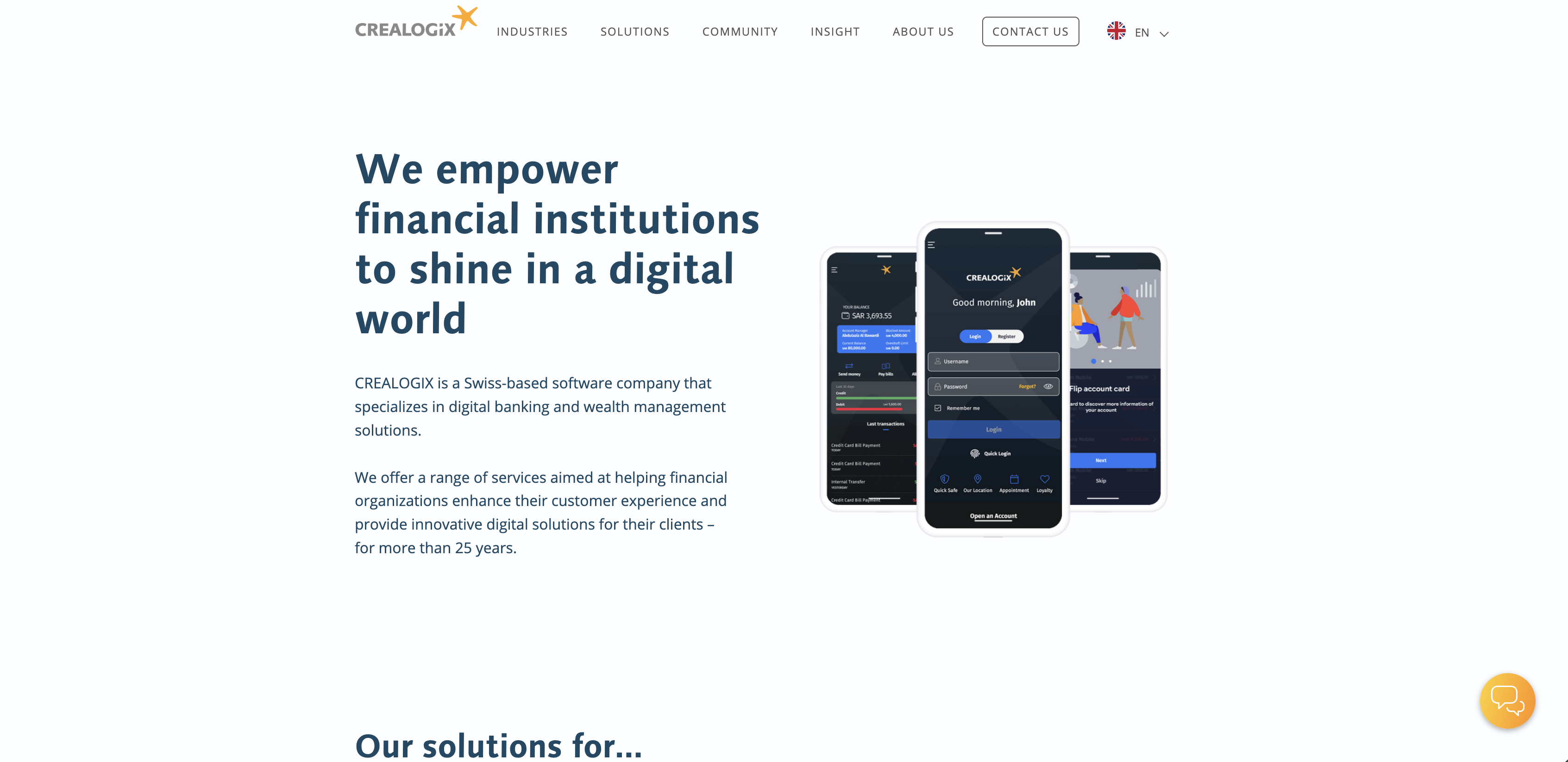
Crealogix
Financial Infrastructure🇨🇭 Switzerland
Crealogix is a Swiss fintech company that builds digital banking platforms for financial institutions across Europe. Rather than starting from scratch, banks and wealth managers plug into Crealogix's modular software suite to modernize their customer experience—covering everything from retail and corporate banking interfaces to wealth management portals and mobile apps.
The company operates as an infrastructure play in the digital transformation space. Its platforms run on a microservices architecture, letting financial institutions pick and choose the components they need rather than ripping out legacy systems entirely. This approach has gained traction with mid-market and enterprise banks looking to compete with neobanks without the cost of a complete rebuild.
Crealogix sits in a pragmatic middle ground between traditional banking software vendors and modern fintech disruptors. It's not trying to be a bank itself; instead, it partners with incumbents and increasingly with smaller financial institutions across German-speaking Europe and beyond. The company's strength lies in understanding both the technical demands of modern digital banking and the regulatory complexity that traditional banks navigate daily.
In the evolving European fintech landscape, Crealogix represents the infrastructure generation—the companies enabling the banking industry's digital transition rather than replacing it entirely.
Founded 1999
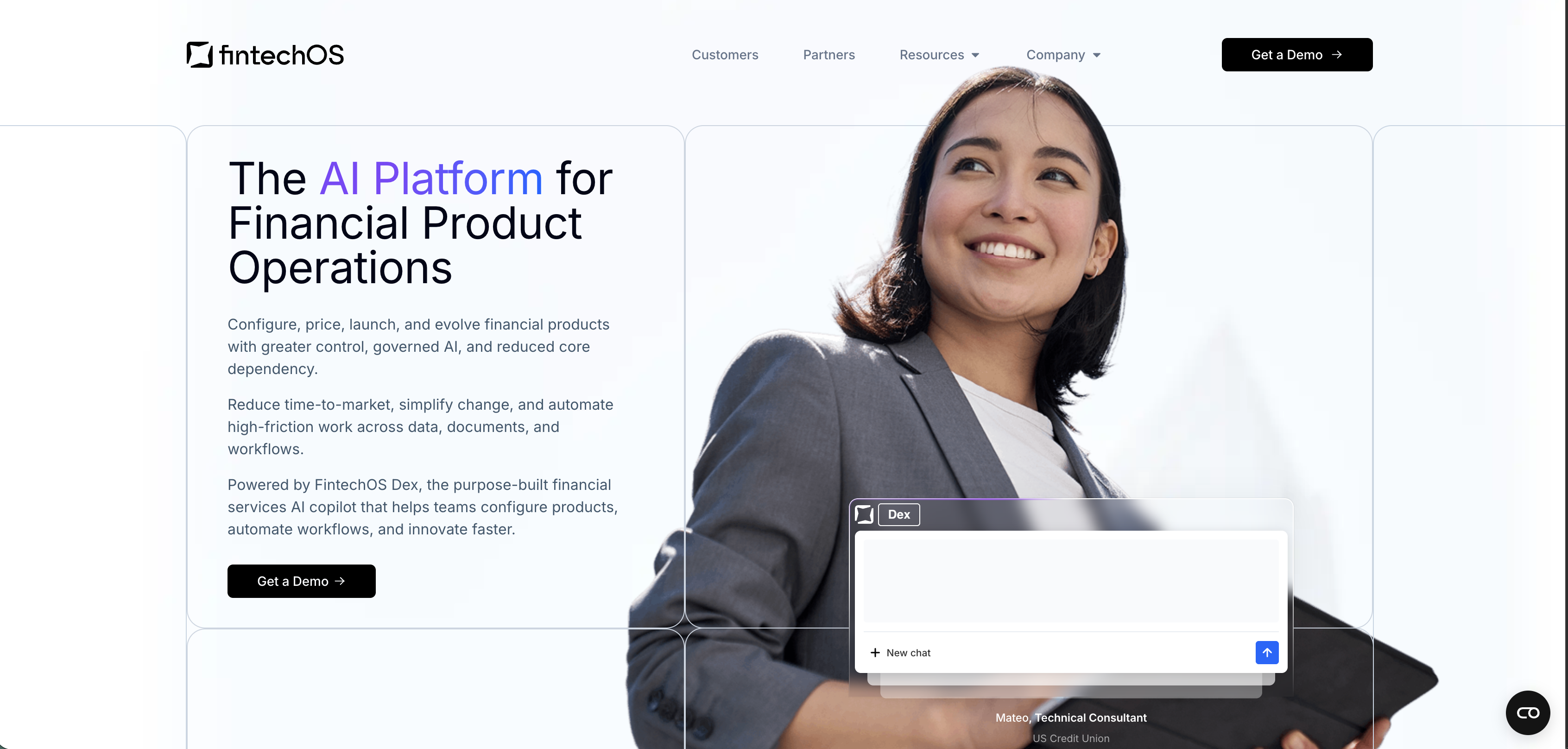
FintechOS
Financial Infrastructure🇷🇴 Romania
Banking software has historically been built around the idea that each financial product needs its own dedicated system — a current account platform, a separate mortgage system, another for credit cards, another for investments. The result is a fragmented technology landscape that prevents banks from delivering the unified experience customers actually want. FintechOS was founded in Bucharest in 2017 to challenge that model with a digital-first platform that lets financial institutions build, launch, and operate any financial product on a single configurable infrastructure. Its platform combines core banking capabilities with low-code product configuration, letting banks design customer journeys, launch new products, and modify existing ones without the multi-year IT projects that define traditional banking transformation. FintechOS has attracted backing from major investors including Earlybird and Draper Esprit, and serves banks and insurance companies across Europe and beyond. The Romanian base is significant — Bucharest has emerged as one of the more important Central European fintech hubs, and FintechOS has built one of the most credible product-led companies to come from that ecosystem. In the European banking infrastructure market, where the largest players are global enterprise software companies, FintechOS represents a generation of platform-native banking technology built for a different kind of bank.
Founded 2017
RS2
Financial Infrastructure🇲🇹 Malta
RS2 sits at the infrastructure layer of European fintech, operating as a silent but essential backbone for digital banking. The company builds payment and banking systems that power everything from challenger banks to traditional financial institutions, handling the plumbing that most customers never see but every modern bank needs. Rather than competing for end-user attention, RS2 focuses on solving the unglamorous but critical problem: how do you move money, verify identities, and manage accounts at scale across multiple countries and currencies. Their platform approach means banks and fintechs can launch new services faster without rebuilding core systems from scratch. In a landscape crowded with consumer-facing apps and robo-advisors, RS2 represents the infrastructure play—the company that enables others to be innovative. They've built particular strength in payments orchestration and acquiring, areas where fragmentation across European markets creates real complexity. The company's positioning is fundamentally B2B, serving financial institutions that need to modernize their tech stacks rather than competing directly for customer wallets. For European fintech, RS2 is part of the connective tissue that allows the entire ecosystem to function more efficiently and move faster.
Founded 2005
Showing 12 of 21 companies. View all in the directory →