← All services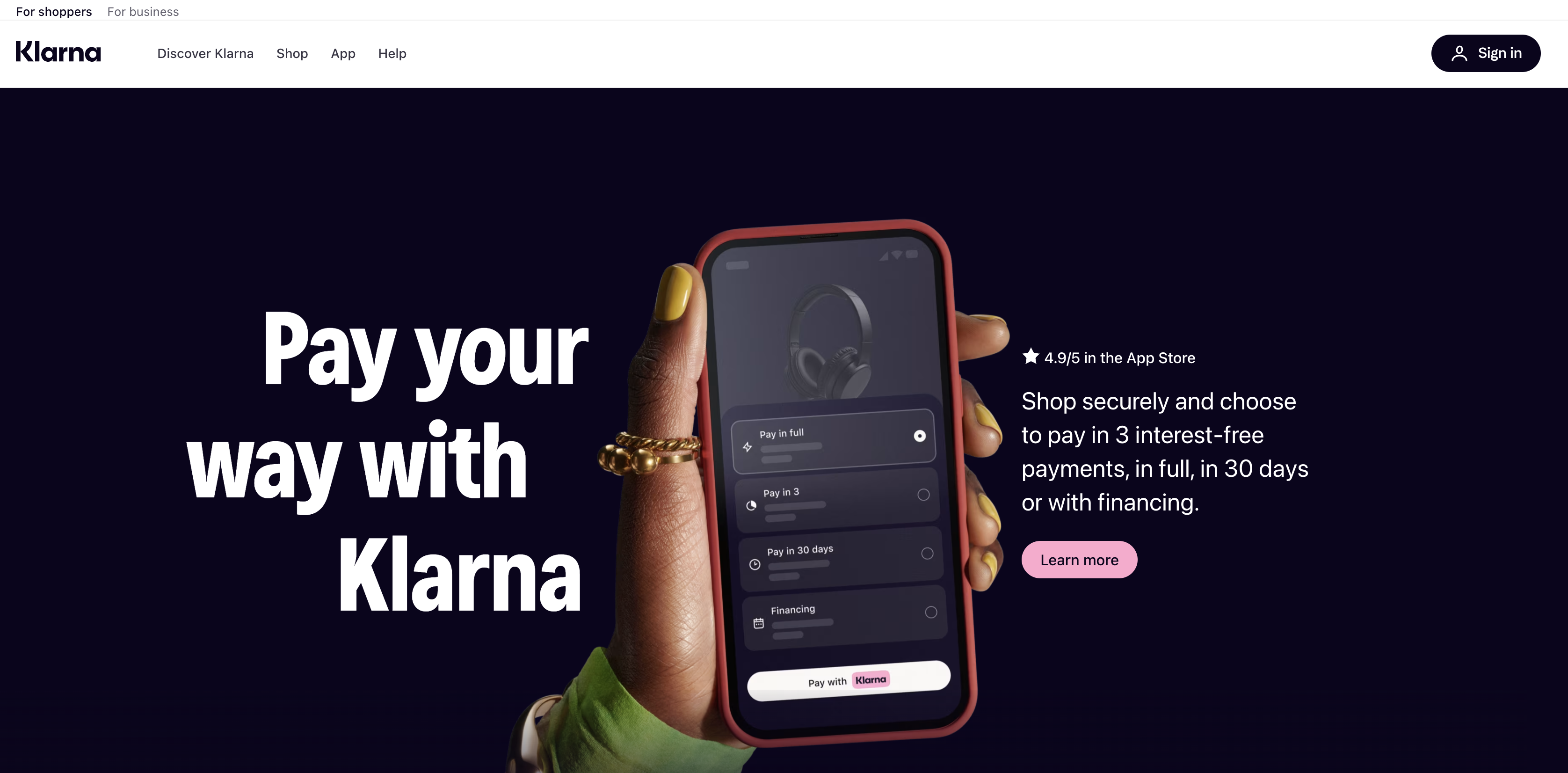

22 European companies
White-Label Banking Providers in Europe
White-label banking allows banks, fintechs, and non-financial companies to offer banking products under their own brand, powered by a third-party provider's infrastructure and licence. A retailer can offer a branded bank account backed by a BaaS partner. A software company can offer a branded business account to its customers. White-labelling separates the customer relationship and brand from the underlying regulated banking infrastructure.
Typically offered by
European fintech companies offering white-label banking
Klarna
Embedded Finance🇸🇪 Sweden
Three Stockholm School of Economics students pitched an idea at a university entrepreneurship competition in 2005: let shoppers receive goods before they pay, and put the credit risk on the merchant side. The pitch finished last. They built it anyway.
Sebastian Siemiatkowski, Niklas Adalberth, and Victor Jacobsson launched what was originally called Kreditor, later renamed Klarna, and spent the next two decades turning that rejected idea into one of Europe's most recognised fintech brands. The core insight held up: millions of people would rather split a purchase into three instalments than reach for a credit card, and merchants would pay for the privilege of offering that option because it reduces cart abandonment and increases average order values.
Klarna grew from a Swedish checkout button into something considerably more complex. It now holds a banking licence in Sweden, offers savings accounts, issues its own card, and operates across more than 45 markets with around 93 million active consumers and 675,000 merchant partners at the end of 2024. The US, which Klarna entered in 2015, has become its largest market by revenue, a fact the company underlined by listing on the New York Stock Exchange in September 2025 under the ticker KLAR, raising $1.37 billion at IPO.
The financial trajectory has been bumpy. Klarna reported net income of $21 million in 2024, a return to profitability after a bruising 2022 that included an 85% valuation cut and significant layoffs that reduced headcount from over 7,000 to around 3,400. What survived the restructuring was a leaner company with $2.81 billion in revenue and a clearer strategic direction: AI. Klarna's partnership with OpenAI produced a customer service assistant it claims handles the equivalent of 700 full-time agents, and generative AI now manages roughly two-thirds of customer chats.
The honest assessment of where Klarna sits today: it's no longer purely a BNPL provider and it's not quite a bank. It's somewhere in between, a consumer finance platform that knows more about your shopping behaviour than your bank does, and is betting that's worth a lot.
Founded 2005
ClearBank
Embedded Finance🇬🇧 United Kingdom
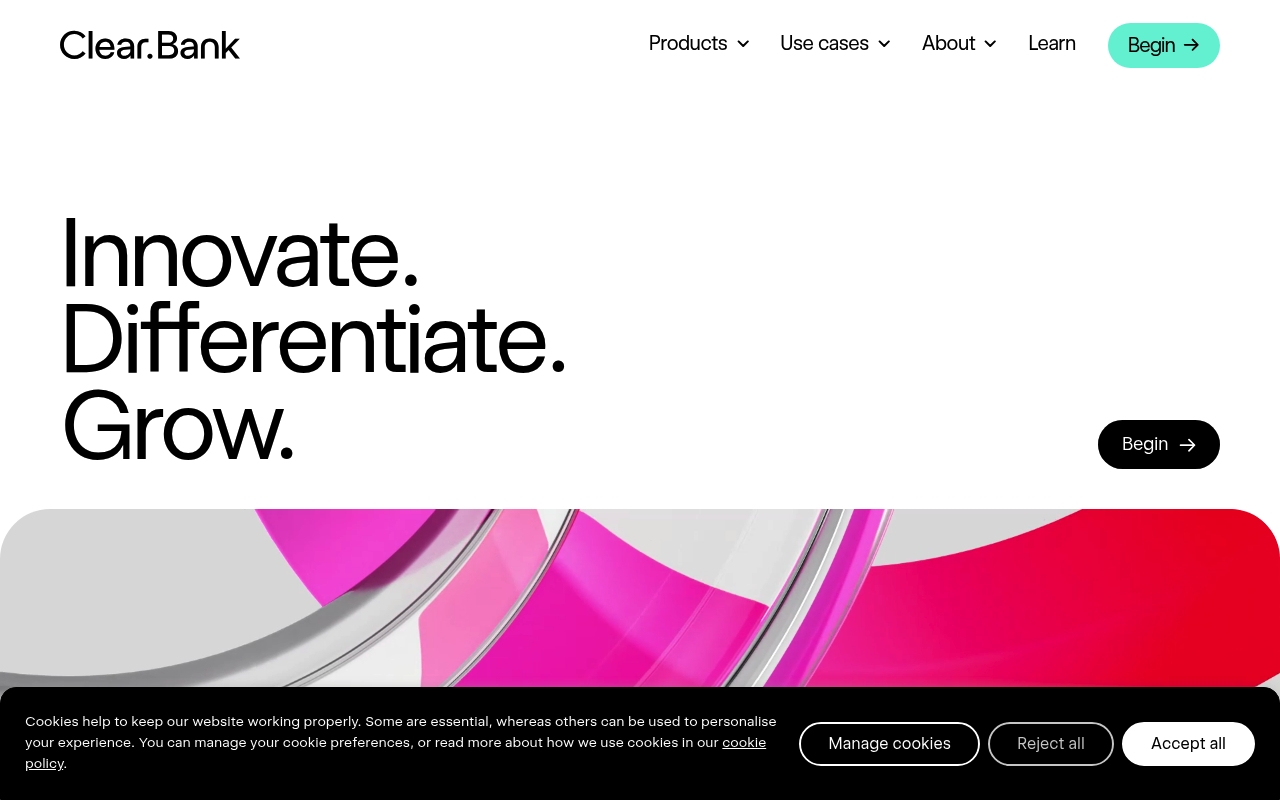
ClearBank was the first new clearing bank in the UK in more than 250 years. That sentence is doing a lot of work, because the reason there hadn't been one is that clearing — the plumbing that moves money between banks — had settled into the hands of four incumbents whose systems dated to a different era, and every fintech that wanted to offer accounts had to rent access from one of them. ClearBank launched in 2015 to be the alternative: a purpose-built, cloud-native clearing bank with no legacy estate, accessed through a single API, holding client funds at the Bank of England rather than on its own balance sheet.
The customer list explains the model better than the description does. TrueLayer, Tide, Chip, Coinbase, Raisin and Wealthify all run on ClearBank — companies that wanted to offer accounts and payments without becoming banks themselves. ClearBank provides the regulated banking layer and the real-time payment rails; the client owns the customer relationship. This is embedded banking delivered by an actual bank rather than middleware, which is the distinction that matters when a regulator asks who is holding the money.
The financial trajectory has been unusually disciplined for the category. ClearBank has been profitable since 2022, reported its first full-year pre-tax profit of £18.4 million in 2023, and delivered a third consecutive profitable year in 2025 with group normalised revenue up 34% to £121.6 million. The more significant number is that fee-based income grew 51% and now makes up the majority of revenue — the deliberate pivot away from interest-rate dependency that most banks talk about and few execute. The infrastructure now underpins more than 17 million accounts, and ClearBank UK holds an investment-grade BBB− rating from S&P, rare for a company its age.
Europe is the current chapter, and it resolves an old caveat about ClearBank being UK-only. ClearBank Europe N.V., headquartered in Amsterdam and led by Rintse Zijlstra, received a Credit Institution Licence from the European Central Bank under DNB supervision in 2024, backed by more than €70 million of investment. It gives the group euro accounts and payments alongside sterling, with access to TARGET2, SEPA Credit Transfer and SEPA Instant. By the end of 2025 the European business covered 21 EU countries, had opened a Paris branch, and was processing over a million payments a month — real but early, which is the honest way to frame it against a UK operation of 17 million accounts. Mark Fairless succeeded Charles McManus as chief executive.
Founded 2015
Enable Banking
Financial Infrastructure🇫🇮 Finland
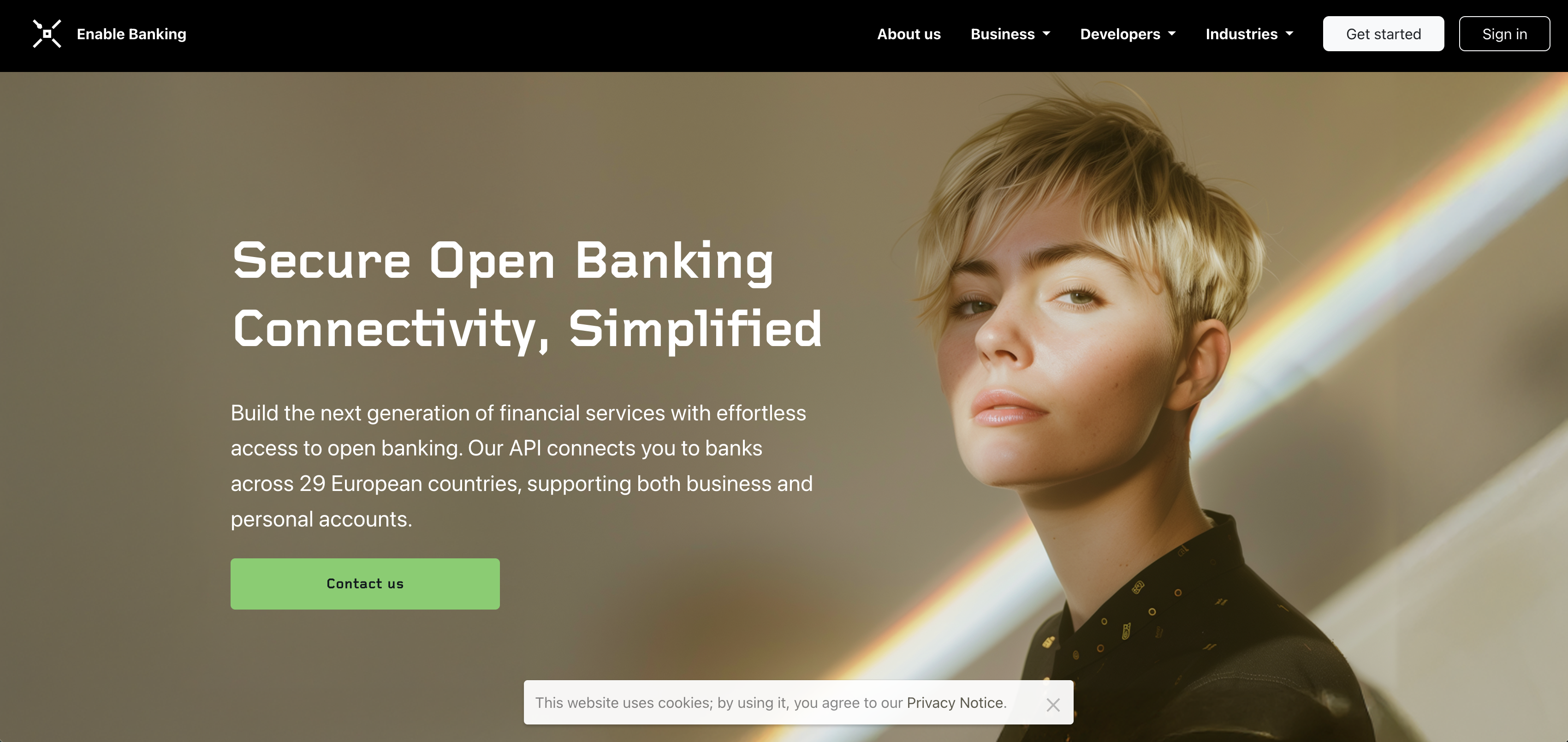
Most open banking aggregators want your data. That is the business model: connect to the banks, pull the transactions, store them, enrich them, and sell the enriched product back. Enable Banking built the opposite. The company describes itself as the postman of your data — it moves financial information from the bank to the customer's application and does not retain, process, or build models on what passes through. For a fintech that considers its transaction data a competitive asset, or a customer with strict data residency requirements, that neutrality is the entire pitch.
Joonas Tomperi and Fedor Tyurin founded the company in Espoo in 2019, at the point where PSD2 had legally opened European bank APIs but had not made them usable. Each bank interpreted the standard differently, each shipped its own authentication quirks, and each updated on its own schedule. The regulation created the right; someone still had to build the plumbing. Enable Banking started with Finland and the Nordics and expanded outward, and now connects to more than 2,700 banks across 30 European countries through a single PSD2-compliant API — account information from all of them, and payment initiation from over 1,500.
What makes the company genuinely unusual is its scale relative to that coverage. Enable Banking has raised roughly €600,000 in total, in a single seed round in 2022 led by Wellstreet and Forward VC, and employs somewhere between fourteen and seventeen people distributed across seven countries. Tink sold to Visa for €1.8 billion with 500 employees. TrueLayer has raised hundreds of millions. Enable Banking is covering comparable European ground with a team that would fit around one table, which says something about how much of open banking infrastructure is disciplined engineering rather than capital.
The company holds its own Account Information Service Provider registration, supervised by Finland's FIN-FSA — which means other companies can build on top of its licence rather than obtaining their own. That is the model behind open-banking.io, the Danish developer tool that resells Enable Banking access at €3 per month without customers needing eIDAS certificates. It is also why Enable Banking's no-data-retention architecture matters structurally: because the platform never holds readable customer data, the companies building on it can make stronger privacy guarantees than they otherwise could.
Two smaller details are revealing about who this is built for. Enable Banking runs a balanced split between business and consumer accounts — roughly half of its ten million monthly API calls come from each, where most early open banking providers targeted consumer accounts only and treated corporate banking as an afterthought. And it offers a live production environment for testing without requiring a contract, which is a small thing that tells you the company expects developers to evaluate it by using it rather than by booking a call. Tomperi now chairs the board of Fintech Finland, the national industry association.
Founded 2019
Coverflex
Digital Banking🇵🇹 Portugal
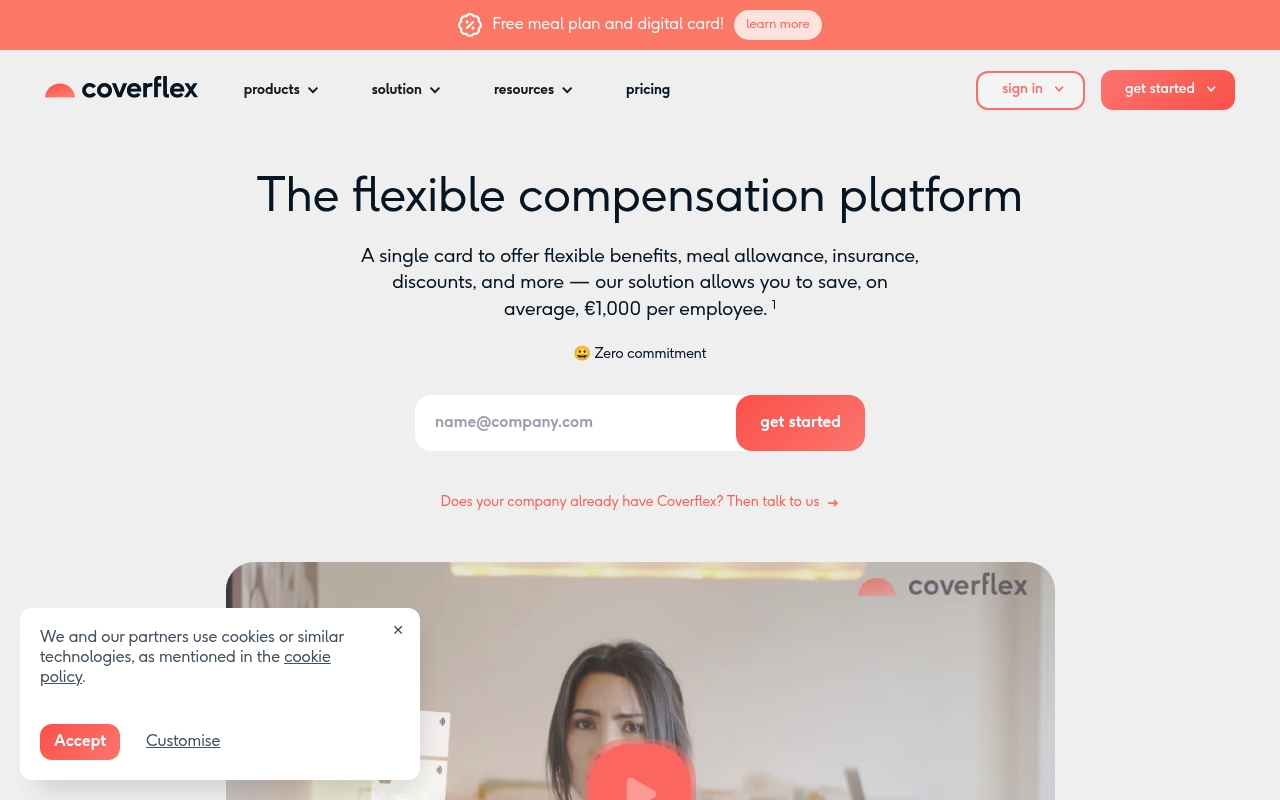
Coverflex is rewriting how freelancers and gig workers access financial security in Europe. Instead of the traditional employment model, the platform bundles flexible work with genuine benefits—health insurance, pension contributions, and paid leave—creating a middle path between employment and total independence.
The company essentially flips the script on gig economy precarity. Workers stay independent contractors but gain access to protections that were previously locked behind 9-to-5 employment. Employers get a simpler way to hire flexible talent without managing traditional payroll complexity. It's a fundamentally different architecture for modern work.
Coverflex operates across multiple European markets and has built a B2B2C model where companies use the platform to offer benefits to their contractor workforce. The business combines insurance brokerage, financial services coordination, and workplace infrastructure into one interface.
In a landscape where gig work remains fragmented and precarious, Coverflex sits at the intersection of fintech and HR tech, solving a genuine gap in how Europe's growing contingent workforce accesses security and stability.
Founded 2020
Swile
Embedded Finance🇫🇷 France
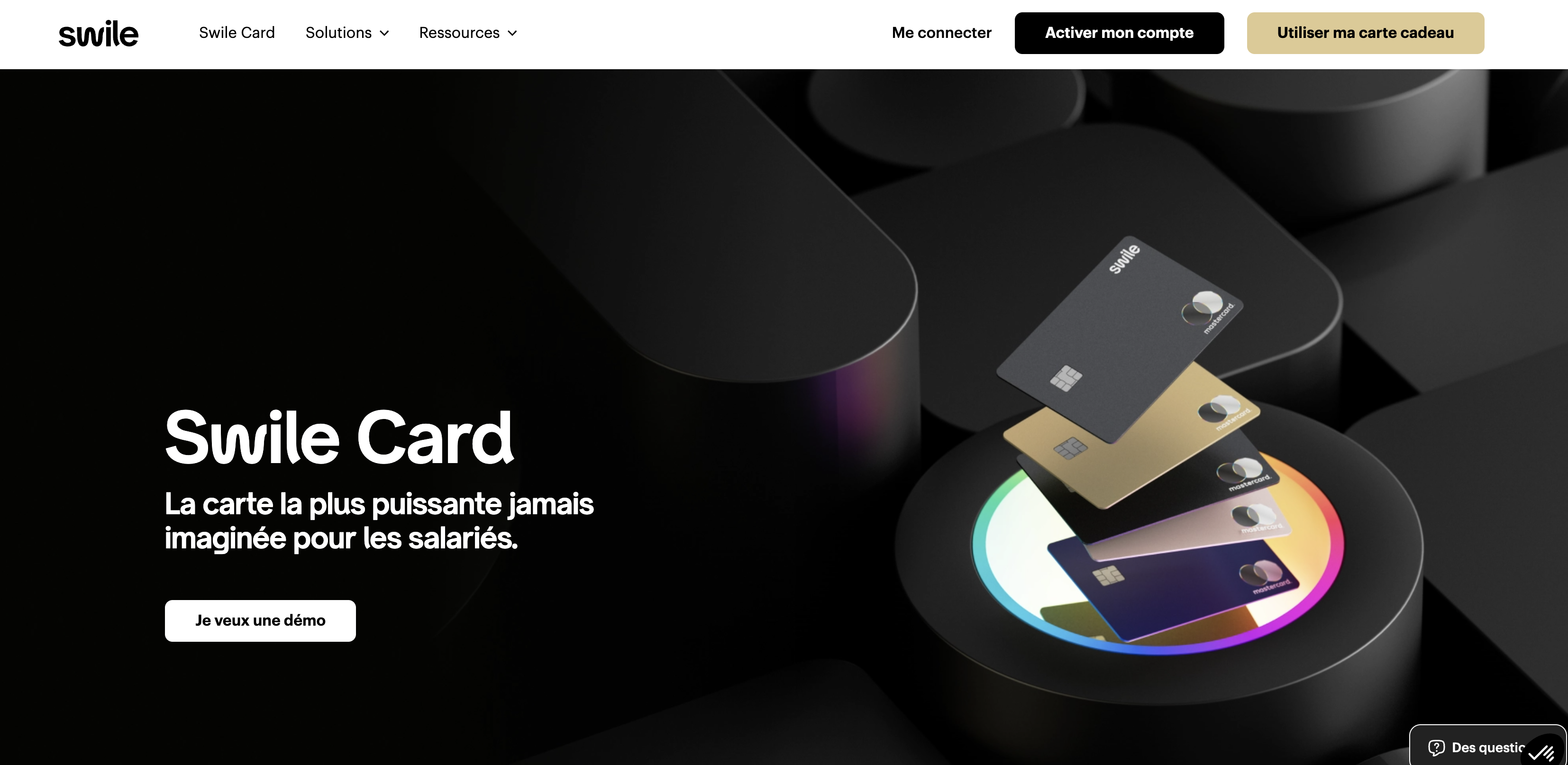
Swile tackles the unglamorous but essential problem of employee benefits administration—turning what's typically a bureaucratic nightmare into something that actually works for modern companies. The Paris-based platform bundles meal vouchers, transportation allowances, childcare support, and wellness benefits into a single card and app that employees actually want to use.
Instead of juggling multiple vendor relationships and paper trails, HR teams get one interface to manage everything. Employees scan a card or phone at participating restaurants, shops, and gyms, earning tax-advantaged benefits while employers simplify their compliance burden. It's the kind of boring-but-essential infrastructure that scales across Europe—Swile operates in France, Spain, Italy, and beyond.
What sets Swile apart in the crowded benefits space is its focus on the entire employee lifecycle rather than just one vertical. While competitors obsess over meal vouchers or mobility, Swile positions itself as a comprehensive benefits platform. The company raised significant Series B funding and expanded aggressively across continental Europe, proving that there's real appetite for consolidation here.
Swile represents a broader shift in how European companies think about compensation: less about salary alone, more about total employee experience. By digitizing what was once entirely analog, Swile has become an essential piece of HR infrastructure for mid-market and enterprise employers across the region.
Founded 2016
Rapyd
Embedded Finance🇬🇧 United Kingdom
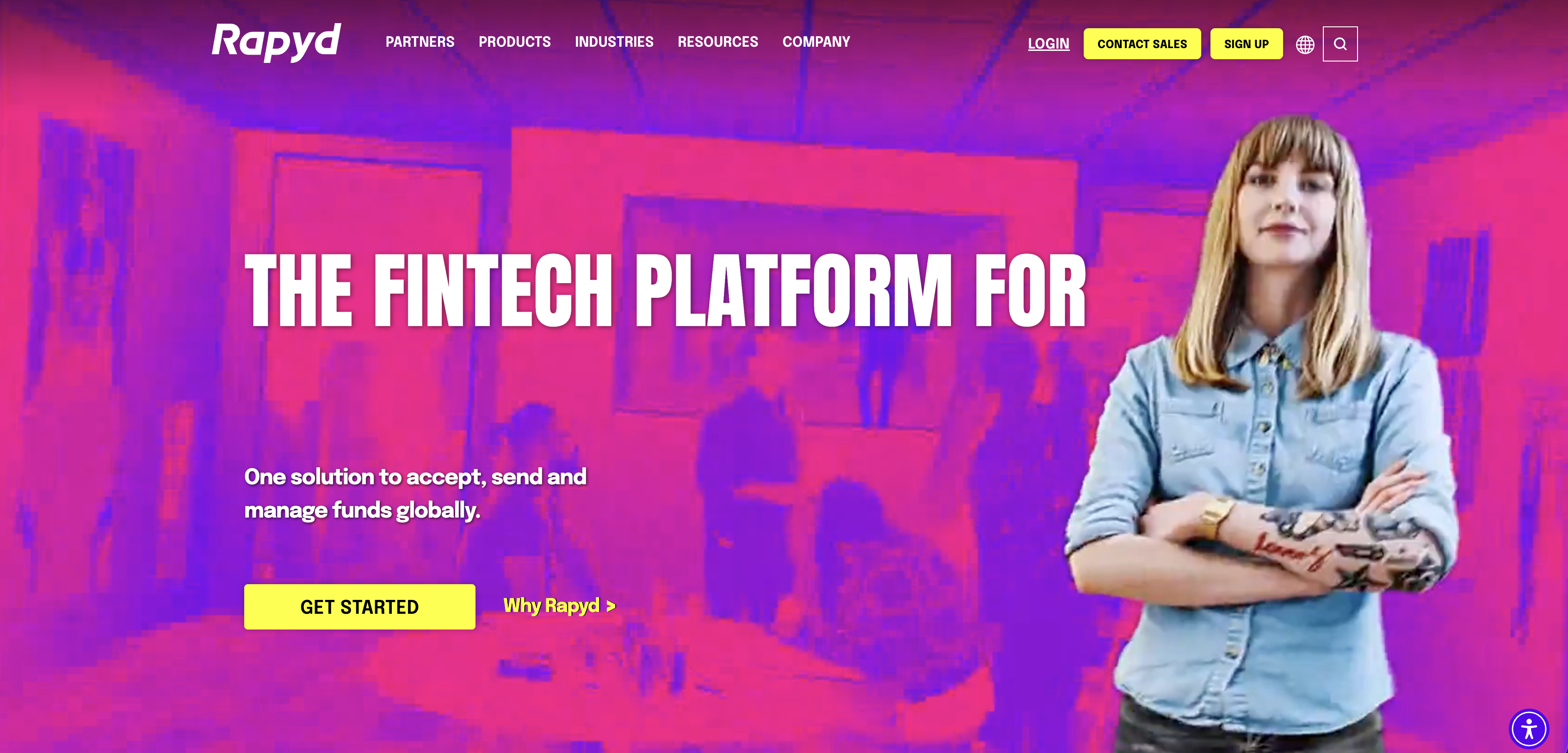
Rapyd is a global fintech infrastructure company that lets businesses accept payments and move money across 170+ countries without needing local banking relationships. Rather than forcing companies to navigate fragmented payment ecosystems country by country, Rapyd abstracts away the complexity—providing a single API that connects to local payment methods, wallets, and bank accounts everywhere from Southeast Asia to Latin America. The platform handles the unglamorous but essential work: acquiring local licenses, managing compliance, and integrating with hyperlocal payment rails so a startup in Berlin can charge a customer in Lagos as easily as one in London. For merchants and platforms operating globally, this means ditching the spreadsheet of payment processors and compliance frameworks. Instead of cobbling together 15 different providers to cover emerging markets, they get one dashboard, one contract, one API. Rapyd has positioned itself as the plumbing for the next wave of global commerce—the infrastructure layer that makes it possible for any business to think globally from day one, not after they've scaled. In a fintech landscape dominated by Western-centric payment networks, Rapyd's bet on true geographic diversity and local payment methods feels like a deliberate counterweight, making it an essential piece of the infrastructure for companies serious about serving the rest of the world.
Founded 2018
Worldpay
Embedded Finance🇬🇧 United Kingdom
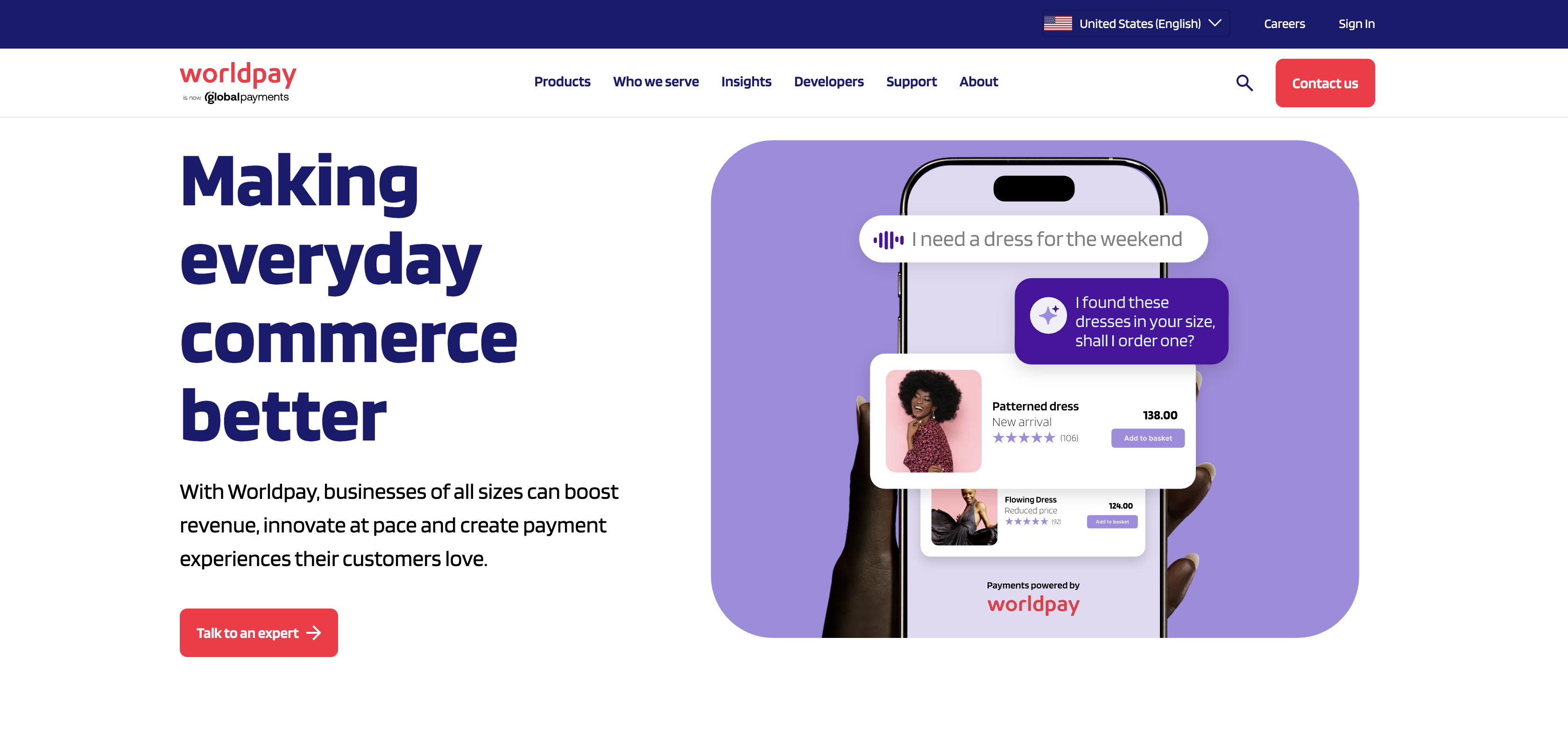
Worldpay is one of Europe's most established payment infrastructure plays, handling transactions at the backbone of commerce across the continent. The company processes payments for retailers, e-commerce merchants, and financial institutions, sitting at the critical intersection where customer intent becomes settled value. Rather than chasing consumer attention, Worldpay operates in the plumbing layer—orchestrating card payments, merchant acquiring, and real-time settlement across borders with the quiet efficiency of infrastructure that's been stress-tested for decades. It's the kind of company most Europeans have never heard of but rely on every time they buy something online or in-store. What sets Worldpay apart in a crowded acquiring space is its scale and geographic reach. While newer fintech challengers chase flashy use cases, Worldpay manages the unglamorous work of connecting merchants to banks, processing disputes, and maintaining 99.9% uptime across payment rails that move billions. The company has evolved from a pure processor into a platform, offering tools for payment orchestration, subscription billing, and omnichannel commerce support. Its strength lies not in disruption but in resilience and reach—it powers payments for everything from corner shops to multinational retailers. In the European fintech ecosystem, Worldpay represents institutional financial infrastructure: old enough to be trusted, large enough to absorb regulatory change, and integrated deeply enough that replacing it would be prohibitively complex for most businesses.
Founded 1989
Wallester
Embedded Finance🇪🇪 Estonia
Wallester is a European fintech infrastructure company that makes it simple for other businesses to issue, manage, and distribute payment cards at scale. Rather than wrestling with legacy banking systems and complex integrations, companies use Wallester's APIs and platforms to embed card programs directly into their own products—think neobanks, fintechs, and platforms that need white-label card solutions without the operational overhead. The company handles the technical plumbing: card issuance, real-time transaction processing, compliance, and customer-facing controls, all delivered through clean, developer-friendly APIs. Wallester operates across multiple European markets and works with everyone from emerging challenger banks to established financial institutions looking to modernize their card infrastructure. What sets Wallester apart is its focus on removing friction from the card-issuing process. Most issuers are bound to cumbersome core banking relationships or have to build entirely custom solutions. Wallester sits in the middle, offering a turnkey platform that scales with demand without forcing companies to reinvent core banking. It's become a quiet backbone for European fintechs that need cards fast, reliably, and without the bureaucracy. The company represents a broader trend in fintech infrastructure: the unbundling of banking services into modular, API-first components that let smaller players compete with traditional incumbents.
Founded 2019
finleap
Embedded Finance🇩🇪 Germany
finleap is Berlin's answer to a question the European fintech scene keeps asking: how do you build world-class financial companies at scale? Rather than chase unicorn valuations, finleap builds them. The holding company operates as a fintech factory, incubating and scaling financial startups from day one with institutional backing, operational expertise, and a network that spans regulators, banks, and investors across the continent.
What sets finleap apart is the architecture itself. It's not an accelerator or a VC fund—it's a purpose-built engine for creating and nurturing fintech companies. Each portfolio company gets access to finleap's infrastructure, compliance playbooks, and go-to-market templates, which compresses timelines and eliminates the friction that typically derails early-stage fintechs. The model works: companies like Wayfair-backed Finn, B2B payments platform Foxpay, and lending marketplace Evala have all emerged from the finleap stable.
Internally, finleap operates across payments, lending, wealth, and embedded finance—categories where the European market remains genuinely underpenetrated compared to the US. The company's thesis is straightforward: identify white space in financial services, build products faster than traditional banks can move, and create defensible market positions through technology and user experience. It's less about disruption theater and more about pragmatic value creation.
Finleap sits at an interesting intersection in the European fintech landscape: large enough to command resources and regulatory relationships, independent enough to move quickly, and structured in a way that lets founders maintain autonomy while tapping institutional muscle. For a continent that produces good fintech companies but struggles with scaling, finleap represents a new playbook.
Founded 2014
Payxpert
Payments🇱🇺 Luxembourg
Payxpert operates in the unglamorous but essential world of payment processing—the infrastructure that keeps European commerce humming. Founded to solve the messy reality of multi-currency, multi-channel payments, Payxpert provides acquiring and payment gateway services that handle everything from card transactions to alternative payment methods. What sets them apart is their focus on complex merchants: online platforms, travel companies, and e-retailers that can't afford technical friction or settlement delays. Rather than chasing consumer fintech glory, Payxpert built a backbone. They offer white-label solutions and direct merchant acquiring across multiple geographies, meaning they're invisible to most people but indispensable to the businesses they serve. In a market crowded with payment startups obsessed with frictionless checkout, Payxpert quietly handles the hard part: making sure money actually arrives where it's supposed to, reliably and at scale. They're the kind of company that doesn't trend on Twitter but keeps European e-commerce running.
Founded 2008
Fumbi
Embedded Finance🇸🇰 Slovakia
Fumbi is a Slovak-based open banking platform built for the embedded finance era. It strips away the complexity of connecting to fragmented European banking infrastructure by providing a single API layer that lets fintechs and platforms plug financial services directly into their products. Rather than building the plumbing themselves, companies like marketplaces, e-commerce platforms, and SaaS tools use Fumbi to offer payments, lending, and account services without becoming a bank. The platform connects to hundreds of banks across Europe through standardized protocols, handling everything from payment initiation to real-time account data—work that traditionally required months of engineering and compliance headaches. Fumbi's core insight is that the real bottleneck isn't fintech innovation; it's the infrastructure gap between fintechs and incumbent banks. By sitting in that middle ground, Fumbi lets startups and enterprises move at fintech speed while maintaining the regulatory rigor that traditional banking demands. It's the connective tissue that makes embedded finance actually work at scale, turning API calls into real financial transactions without the regulatory liability.
Founded 2021
Cardlay
Embedded Finance🇩🇪 Germany
Cardlay sits at the intersection of embedded finance and modern merchant infrastructure, making it possible for platforms and marketplaces to offer payment solutions directly to their users without needing a banking license. The Berlin-based company essentially acts as a bridge, enabling marketplaces to issue virtual and physical cards, manage spending, and embed payment functionality into their platforms as seamlessly as adding another feature.
What sets Cardlay apart is its focus on the embedded card market—a category that's exploded as platforms realize they can monetize payment flows while improving user experience. Rather than directing users to third-party payment providers, Cardlay lets platforms own the entire card experience, from issuance to transaction controls to spend analytics.
The company operates in a space where B2B2C models dominate, meaning its real clients are platforms that want to offer banking-grade payment products without the regulatory headache. This positions Cardlay somewhere between a traditional fintech infrastructure player and a modern card issuer. In a European market increasingly crowded with card-issuing platforms, Cardlay distinguishes itself through developer-friendly APIs and a focus on use cases that larger players haven't yet dominated—from gig economy platforms to niche marketplaces.
Cardlay represents the shift toward distributed financial infrastructure, where payment capability becomes just another feature any well-funded platform can activate. It's emblematic of how European fintech has matured from consumer-focused apps to deeper, quieter plays that reshape how commerce and finance intersect.
Founded 2021
Showing 12 of 22 companies. View all in the directory →